




How to Get a Suica Card in Japan: Complete Guide for Tourists
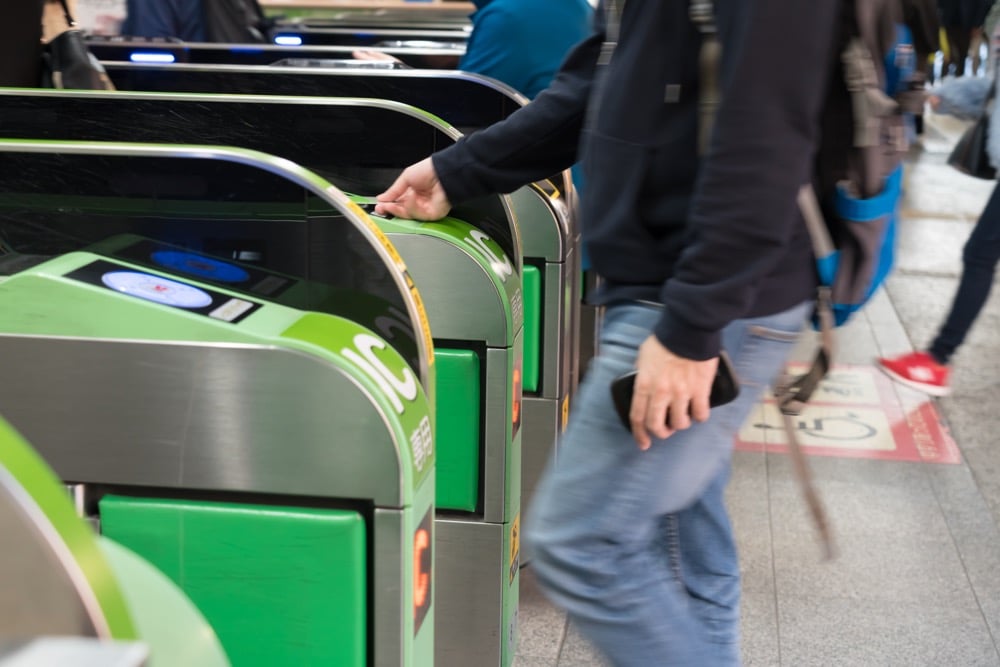
Whether you are traveling locally within Japan or heading to another prefecture, trains will be your main form of transport. The railway system can feel overwhelming at first, especially when you are unfamiliar with routes, ticket gates, and fare rules. Using a Suica card helps you travel smoothly from the airport to your next destination, without needing to pause to calculate fares or queue for tickets.
While the Suica card has been readily available for years, it's now harder to get in Japan. By arranging a Suica or Wi-Fi option with NINJA WiFi before you arrive, you can avoid the hassle and start your trip smoothly.
Why a Suica Card is Essential for Traveling in Japan
A Suica card is more than just a train pass—it’s an IC card used daily across Japan for transportation and small payments. If you plan to stay in Japan for an extended period, having a Suica card and reliable Wi-Fi is highly recommended.
Many travelers choose Japan’s train system over renting a car because it’s accessible, efficient, and easy to use. With a simple tap, you can ride trains and buses, move smoothly through busy stations—especially during rush hours—and avoid lining up for tickets or calculating fares. Suica can also be used for small purchases at convenience stores, vending machines, and station lockers, making everyday travel simple and stress-free.
Although JR East issues Suica, its usability extends far beyond Tokyo and the surrounding regions. While the card is widely accepted on most trains, subways, and buses across Japan, there are some exceptions in certain rural areas and on some smaller local lines. Fortunately, for the vast majority of journeys, Suica provides reliable and convenient nationwide coverage for travelers.
How Suica Availability Has Changed
The biggest change with the Suica card has nothing to do with how it works but everything to do with how the cards are made. Semiconductor shortages have limited the production of new IC cards. As of March 1st, 2025, regular Suica cards are back on sale; however, they are not produced in the same quantities, even as the number of travelers continues to increase.
For those traveling to Japan, it means Suica cards are no longer consistently available for purchase. Many smaller rural stations do not sell them at all, and even major locations like the airport may run out without notice. It has become a source of concern and stress when traveling in Japan, making it important to sort out your options before you arrive.
Where Can You Buy a Suica Card?
In recent years, the number of locations where Suica cards can be purchased has gradually declined. Today, they are available primarily at major stations and key service points. That said, a newer alternative has emerged, offering travelers greater flexibility beyond traditional purchase locations.
Timing also plays an important role in how easily a Suica card can be obtained. Travelers arriving early in the morning or late at night may find that the ticket counters and service centers are closed, leaving only ticket machines available. Navigating closed counters or searching for specific ticket machines can be frustrating, which is why relying on arrival day availability has become increasingly risky.
Haneda and Narita Airport
Both Haneda and Narita Airports are among the most common places where travelers buy a Suica card. Ticket machines may offer them, but cards can sell out, and with limited production, availability is inconsistent, especially during busy travel seasons.
JR Ticket Counters
Major JR East stations may sell physical cards at the ticket counters, while smaller stations no longer sell them at all. Even at major stations, however, stock is inconsistent, and availability can vary by day and location.
Digital Option: Mobile Suica
Mobile Suica is available on all supported smartphones. However, using the Mobile Suica app requires a compatible device, a long-lasting battery, and a debit or credit card that works in Japan. The app is not available for all international devices.
For families travelling with children, a Mobile Suica is often the least practical choice. Each person needs their own Mobile Suica, which means every child would need a compatible device. For families without separate phones for each traveler, this option may not be suitable.
Welcome Suica: IC Card for Tourists to Travel in Japan

Welcome Suica is a special IC card designed specifically for travelers. Unlike regular cards, they do not require the initial 500 yen deposit and feature a special design intended as travel mementos.
These cards have different limitations and regulations compared with standard Suica cards. They are only valid for 28 days from the date of purchase, rather than up to 10 years for a regular Suica. Purchases are limited to one card per person, and any remaining balance cannot be refunded. Because these cards are also produced using semiconductors, stock availability cannot be guaranteed. Digital versions are available, but they carry the same device compatibility requirements as other mobile IC cards.
As Welcome Suica is specifically intended for travelers, it can only be purchased at the following locations.
- JR East Travel Service Center located at Narita Airport Station, Airport Terminal 2 Station, Haneda Airport Terminal 3 Station, Tokyo, Shibuya, Shinjuku, Ikebukuro, Ueno, Yokohama, and Sendai
- Welcome Suica vending machines at Narita Airport Station, Airport Terminal 2 Station, and Haneda Airport Terminal 3 Station
- JAPAN RAIL CAFÉ TOKYO
- TAKANAWA GATEWAY Travel Service Center
Better Option: Rent a Suica Card at NINJA WiFi
Given the uncertainty around purchasing a Suica card, many travelers are now choosing to rent one instead. NINJA WiFi offers preloaded Suica cards ready for use as soon as you arrive.
Pickup is quick and straightforward. You can collect your Suica card at the airport counter at the same time as your pocket Wi-Fi, avoiding long lines and unnecessary confusion. Renting a Suica along with your pocket Wi-Fi also means you can use maps and translation apps immediately with a stable connection, allowing you to move through the airport and into the railway system with ease.
How to Load the Suica Card
Loading the card is easy and can be done almost anywhere you travel. Most travelers add smaller amounts as needed rather than loading a larger balance all at once, especially when using Welcome Suica, since any remaining balance cannot be refunded.
Even so, minor complications frequently arise on the first day of travel. After a long flight, travelers may arrive at the ticket gates without sufficient cash to recharge their card, or mistakenly assume that credit cards can be used universally for top-ups. As many Suica recharge points still require cash, this is an important consideration to address before arrival to move smoothly through stations and avoid unnecessary delays.
Ticket Vending Machine
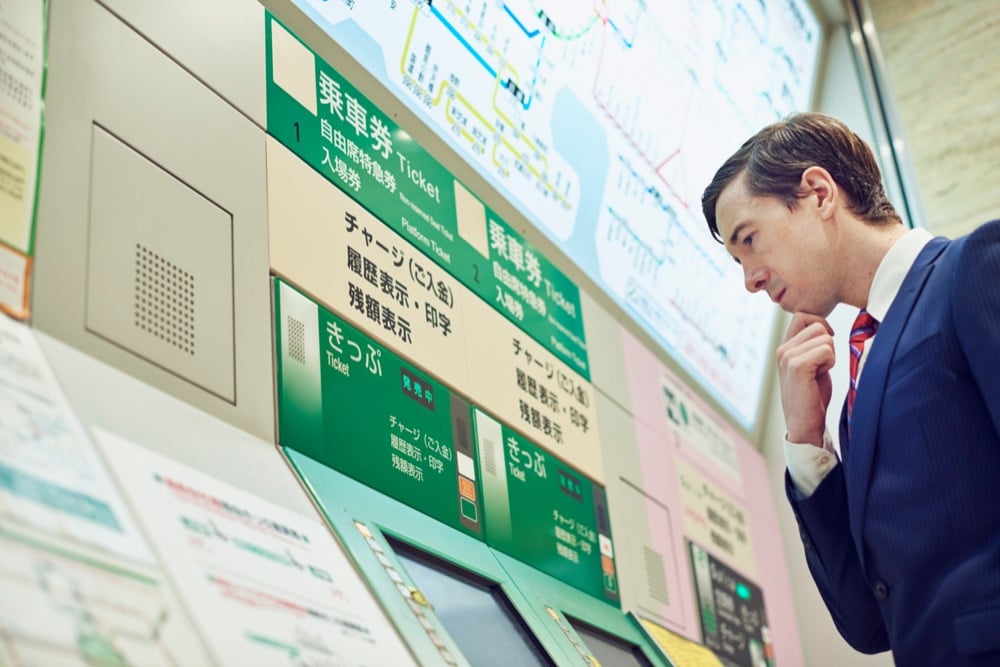
At the ticket vending machine, look for the IC card icon or the word ‘charge’ to indicate loading. Set your IC card on the reader, select the amount you want to load, and insert the cash. These machines support English, but loading is cash only.
Convenience Stores
Suica cards can also be charged at convenience stores. You can either hand it to the cashier and state the amount you want to add, or use the 7-Eleven bank ATM or a certain Lawson bank ATM. When using the ATM, select ‘recharge E-money’, then ‘prepaid transaction cards’, set the card onto the reader, and select ‘charge’.
FAQ: Which Suica Option is Right for You?
Below are frequently asked questions to help you choose the right Suica option.
When will the Physical Suica Card Resume Sale?
The regular physical Suica card has resumed its sale since March 1st, 2025. However, the quantity is limited and only available at major train stations. Sales can also be paused without notice.
What is the Difference Between “Welcome Suica” and “Suica”?
Welcome Suica is a special IC card made for travelers. It does not require the standard 500 yen deposit and features a design meant to be kept as a travel memento.
However, it comes with limits. The card is valid for 28 days from the date of purchase, compared to the 10 years you get for a regular Suica. Refunds on remaining balances are not offered on Welcome Suica.
Can Rental Suica be Returned?
Yes. Rental Suica can be returned at the airport counter along with the pocket Wi-Fi.
Conclusion
Suica cards are the simplest way to navigate transportation tickets while traveling in Japan, but getting one is no longer as easy as it used to be. While regular cards are back in stock, availability is limited, and relying on purchasing upon arrival can add unnecessary stress to the start of a trip.
Understanding the options and the differences between Suica, Welcome Suica, Mobile Suica, and rental alternatives makes it easier to choose the best choice for your travels. Sorting out the differences before you arrive allows you to get to where you want more efficiently.
For travelers who want the most reliable option with the least effort, registering with NINJA WiFi and renting a Suica card could be the best decision for your trip.