




Digital Nomad Visa for Japan: Requirements, Application & Practical Tips

Japan has long captured the imagination of travelers, but a new opportunity is reshaping how people experience the country. With Japan’s introduction of a digital nomad visa, remote workers can now legally live and work in Japan for up to six months.
For professionals balancing work and travel, understanding the digital nomad visa—from income requirements to application steps—is only part of the equation; reliable internet access is equally critical, enabling them to attend meetings, navigate daily life, and stay in touch without interruption. If you’re curious about Japan’s digital nomad visa, the sections below outline everything you need to know to get started.
What is the Digital Nomad Visa for Japan?
Japan’s new digital nomad visa opens the door to a longer, more flexible stay for remote workers who want more than a short vacation. Clear rules and a defined timeframe make it possible to live in Japan while maintaining your career abroad.
Overview of the Digital Nomad Visa
Launched in March 2024, the digital nomad visa for Japan allows eligible foreign nationals to stay in the country for up to six months while working remotely for companies or clients based outside Japan. Employment within Japan is not permitted, and all income must originate from overseas sources.
Unlike traditional work visas, the digital nomad visa requires no local employer sponsorship, making the process more accessible for freelancers, remote employees, and business owners operating internationally. The visa is specifically structured for temporary stays, offering a legal pathway for extended remote work without long-term residency obligations.
Why Japan Created the Digital Nomad Visa
Growing global demand for location-independent work has encouraged governments to adapt, and Japan is no exception. Introducing the Japan digital nomad visa supports longer inbound stays, increasing overall tourism spending beyond short-term visits.
Economic activity in regional areas also plays a central role: cities outside Tokyo benefit from long-term visitors who support local businesses, accommodations, and coworking spaces. At the same time, the program aligns Japan with other countries competing to attract high-earning remote professionals.
Who the Japan Nomad Visa is Best For
Remote employees with stable, overseas-based income will find the digital nomad visa for Japan particularly appealing, especially those seeking a culturally rich environment without interrupting their careers.
Freelancers and entrepreneurs managing clients or businesses abroad can also take advantage of the visa’s flexibility, provided they meet the income requirements. A six-month stay offers enough time to establish a routine, explore multiple regions, and evaluate whether a longer-term move to Japan could be viable.
Japan Digital Nomad Visa Requirements (Income, Insurance & Eligibility)

As you might expect, meeting the visa requirements involves more than just working remotely. The following section outlines the specific criteria needed to secure approval.
Income Requirements
A minimum annual income of 10 million yen is required to qualify for the Japan digital nomad visa. Authorities use a threshold to ensure applicants can support themselves comfortably during their stay without relying on local employment.
Proof of income must be clear and verifiable. Commonly accepted documents include recent tax returns, employment contracts stating salary, and income certificates. Freelancers may need to provide client agreements or invoices to demonstrate stable income streams.
Health Insurance Requirements
Enrollment in private international health insurance is mandatory for all applicants. Coverage must include both medical treatment in Japan and repatriation, ensuring that unexpected health issues do not become a financial burden during the stay.
Choosing a plan with sufficient coverage limits is essential, as compensation for medical treatment for injury or illness must be at least 10 million yen. Policies that include hospitalization, outpatient care, and emergency evacuation tend to meet visa standards more reliably. Reviewing exclusions carefully helps avoid complications during the application review process.
Eligible Countries
Eligibility is limited to nationals of countries that maintain visa-exempt agreements with Japan, which currently includes around 50 nations, such as the United States and many European countries. A valid passport from one of these countries is required at the time of application.
Entry conditions may vary slightly by nationality, but all approved applicants under the digital nomad visa framework are permitted a maximum stay of 6 months. Extensions are not allowed under the current system.
Quick Requirements Summary Table
| Requirement | Details |
| Income | Minimum 10,000,000 JPY annually |
| Insurance | Private international coverage (medical + repatriation) |
| Nationality | Visa-exempt countries (e.g., United States) |
| Work Status | Remote work for non-Japanese companies or overseas clients only |
How to Apply for the Digital Nomad Visa (Step-by-Step Application Guide)
Applying for Japan’s digital nomad visa involves a structured process that begins well before arrival. The more prepared you are, the more chances you’ll have of getting your visa approved on your first attempt.
Step 1: Confirm Eligibility
A thorough eligibility check should come first. As we have seen, applicants must meet the income threshold of 10,000,000 yen, hold a passport from an eligible country, and work exclusively for non-Japanese companies or clients.
Common disqualifications include earning below the required income level, planning to work for a Japanese employer, or lacking adequate health insurance coverage.
Step 2: Prepare Required Documents
Organizing documentation in advance streamlines the application process: make sure your passport is up to date, that you have valid proof of income (such as tax returns or employment contracts), and that you have a certificate of international health insurance.
An official visa application form must be completed, along with a document explaining your planned activities and period of stay in Japan. Depending on individual circumstances, additional paperwork might also be requested. Naturally, the list of required documents may change at any time, so make sure to review it on the Ministry of Foreign Affairs of Japan's website.
Step 3: Submit Application at Embassy or Consulate
Applications must be submitted through a Japanese embassy or consulate in the applicant’s home country or country of residence. Processing times vary by location but generally take several weeks, so applicants are advised to submit early if they can.
Step 4: Enter Japan & Start Your Stay
Once approved, entry into Japan marks the start of your permitted stay under the digital nomad visa. Immigration officers may review key documents upon arrival, so applicants are recommended to keep copies accessible.
Remote Work Visa in Japan: Internet & Wi-Fi Setup for Digital Nomads
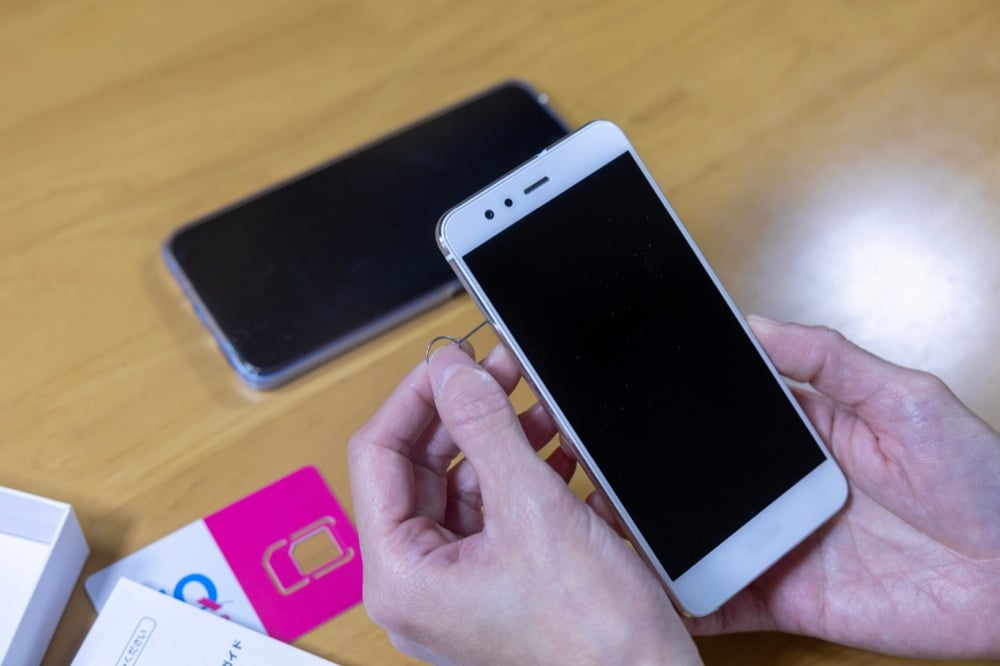
Reliable internet access underpins every aspect of remote work in Japan, from client meetings to daily navigation. Choosing the right setup early will help prevent interruptions and ensure a productive six-month stay in Japan.
Why Free Wi-Fi in Japan Isn’t Enough for Remote Work
Public Wi-Fi in Japan is less widespread than many visitors expect, particularly outside major urban centers. Train stations and convenience stores may offer access, but connections are often inconsistent or require repeated logins. For remote work, it is far from being sufficiently stable or secure.
Slow or unstable speeds can disrupt Zoom calls, delay file uploads, and create unnecessary friction during work hours; meanwhile, open networks in cafés and public areas expose sensitive data to potential risks.
Best Internet Options for Digital Nomads in Japan
Several connectivity options are available, each with distinct advantages depending on usage and length of stay.
| Option | Cost (With NINJA WiFi) | Speed & Stability | Convenience |
| Pocket Wi-Fi | 440–2,200 JPY/day | High, consistent | Portable, multi-device support |
| SIM Card | 3,795–9,900 JPY | Moderate to high | Requires an unlocked phone |
| eSIM | 3,100–18,403 JPY | Moderate to high | Instant setup, no hardware, but requires an unlocked and eSIM-compatible phone |
| Café Wi-Fi | Free | Low to inconsistent | Limited access, time-restricted |
Short-term visitors may find SIM or eSIM options sufficient, while longer stays often benefit from the flexibility and reliability of a dedicated connection.
Why Pocket Wi-Fi is Ideal for Long-Term Stays
A pocket Wi-Fi router offers consistent connectivity across Japan, including areas where free Wi-Fi is scarce. Coverage spans from dense urban neighborhoods to regional destinations, supporting uninterrupted work wherever you are.
Multiple devices can connect simultaneously, making it a cost-effective option for travelers carrying laptops, smartphones, and tablets. Stable speeds support video calls, cloud-based tools, and large file transfers without frequent disruptions.
Daily life also becomes more efficient with constant connectivity. Navigation apps, translation tools, and online reservations remain accessible at all times. Sharing photos, communicating with family, and managing work tasks become seamless in real time, even while on the move.
Long-Term Wi-Fi Tips for Digital Nomad Visa Holders
Naturally, selecting the right plan depends on usage patterns and length of stay. Make sure to estimate your daily data needs in advance to keep costs under control while ensuring consistent connectivity throughout your time in Japan.
With NINJA WiFi, you have several pickup options. Airport pickup simplifies arrival logistics, allowing you to connect immediately after landing. City pickup can be a practical alternative if you arrive early in the morning or late at night, especially if you are already familiar with local transportation. Delivery to a hotel or residence provides the most streamlined option, eliminating the need to visit a counter altogether.
Flexible return policies further add convenience if you intend to move between regions: picking up a device in Tokyo and returning it in Kansai—or even farther locations such as Okinawa—is possible with NINJA WiFi.
Living in Japan as a Digital Nomad

Choosing the right city, budgeting carefully, and setting up a reliable workspace all contribute to a successful stay under the digital nomad visa in Japan. Here’s what to know ahead of your trip.
Best Cities for Digital Nomads in Japan
Each region in Japan offers a distinct lifestyle, allowing digital nomads to match their work habits with their surroundings.
Tokyo stands as the country’s primary business hub, with fast internet infrastructure, countless coworking spaces, and easy access to international services. Higher costs come with unmatched convenience and connectivity.
Kyoto offers a quieter alternative, combining traditional architecture with a slower pace of life. Remote workers often appreciate the calm atmosphere, which can support focused work without the intensity of a large metropolitan center.
Fukuoka has gained recognition as a startup-friendly city, with lower living costs and a growing entrepreneurial community. Compact geography and efficient transportation make daily life straightforward and manageable, with easy access to beautiful nature.
Okinawa appeals to those seeking a more relaxed, coastal lifestyle. Remote work remains feasible with a proper internet connection, and the environment encourages a healthier balance between work and downtime.
Of course, there are many more alternatives: we encourage you to do your research ahead of time to find the cities you’re most interested in.
Cost of Living for Digital Nomads in Japan
Living costs vary significantly by location, with Tokyo on the higher end and regional cities offering more affordable options.
| Expense Category | Tokyo (Monthly) | Kyoto (Monthly) | Fukuoka (Monthly) | Okinawa (Monthly) |
| Rent | 120,000–250,000 JPY | 80,000–150,000 JPY | 60,000–120,000 JPY | 70,000–140,000 JPY |
| Food | 50,000–80,000 JPY | 40,000–70,000 JPY | 35,000–60,000 JPY | 40,000–65,000 JPY |
| Internet | 5,000–10,000 JPY | 5,000–10,000 JPY | 5,000–10,000 JPY | 5,000–10,000 JPY |
Transportation costs are difficult to estimate, as they depend heavily on where you live in a given city and what your lifestyle looks like. Living close to workspaces and amenities typically reduces overall expenses, while frequent cross-city travel can increase them. As a note, cities such as Kyoto and Fukuoka are relatively easy to navigate by bicycle, offering a cost-effective and flexible alternative to public transit. Tokyo, by contrast, relies heavily on its extensive rail network. In Okinawa, public transportation is more limited, and traveling beyond Naha often requires access to a car.
Internet costs typically include mobile connectivity solutions such as pocket Wi-Fi or SIM plans. Portable Wi-Fi devices often provide better flexibility for remote workers who move between accommodations, cafés, and coworking spaces, ensuring consistent access without relying on fixed-line connections.
Coworking Spaces & Work Environment
Coworking spaces are widely available in major cities, particularly in Tokyo and Fukuoka, where remote work culture continues to expand. Facilities usually include high-speed internet, meeting rooms, and quiet work areas designed for productivity.
Flexible pricing options make it easy to adapt usage to individual needs: day passes generally range from 1,000 to 3,000 yen. In comparison, monthly memberships can cost between 15,000 and 40,000 yen, depending on location and amenities.
Combining coworking access with a portable Wi-Fi setup creates a reliable and adaptable work environment. Working from a dedicated space during the day and transitioning to cafés or home offices afterward is seamless, without interruptions from unstable connections.
Realities of Remote Work in Japan: Time Zones and Work Culture
While Japan offers an exciting and efficient environment for digital nomads, a few day-to-day realities often go overlooked, especially regarding time zones and work culture.
One challenge that doesn’t get talked about much with Japan’s digital nomad lifestyle is the time zone difference. Japan operates on Japan Standard Time, which can be significantly ahead of Europe and the Americas. It means digital nomads on a Japan Digital Nomad Visa may find themselves taking meetings late at night or very early in the morning. It creates a unique daily rhythm where your “workday” might start after dinner or before sunrise. Many nomads adjust by structuring their day around off-peak hours, exploring the city when others are working, then logging in when their overseas team becomes active.
Another often-overlooked factor is Japan’s work-friendly but quiet cafe culture. Japan has plenty of cafes, but not all of them are suited for remote work. Many places prioritize a calm, quiet atmosphere where phone calls and meetings are discouraged. For digital nomads, it creates an unusual challenge: finding spaces where it’s socially acceptable to speak during online meetings. Even in a large city like Tokyo, some remote workers end up searching for specific environments such as co-working spaces, private booths, or business hotels during the day. It’s a small but important cultural difference that shapes how people work remotely in Japan.
What You Can and Cannot Do on a Digital Nomad Visa in Japan
Clear boundaries define how the digital nomad visa can be used in Japan, making it essential to understand both permissions and limitations before arrival.
What is Allowed
Remote work for overseas companies is central to Japan’s digital nomad visa. Employment must remain entirely outside Japan, with income paid from foreign sources.
Freelancers can continue working with international clients, provided they do not offer services to Japanese individuals or businesses. Managing projects, attending virtual meetings, and running an online business are all permitted activities.
Travel within Japan is fully allowed during the stay. Exploring different regions, relocating between cities, and combining work with leisure are all part of the intended lifestyle under the visa.
What is Not Allowed
Working for Japanese companies or receiving compensation from within Japan is strictly prohibited. Even part-time or informal arrangements with local businesses fall outside the permitted scope.
Engaging in any form of local employment, including freelance work for Japanese clients, violates visa conditions and may result in penalties or removal from the country.
Extending the stay beyond six months is not permitted. The visa cannot be renewed consecutively, and reapplication may require leaving Japan and meeting eligibility criteria again at a later time.
FAQs About the Japan Nomad Visa
Planning to apply for Japan’s digital nomad visa comes with a lot of practical questions. From renewals and taxes to bringing family members and managing finances, here are the key things you need to know before and during your stay.
Can I Renew the Visa?
Renewal is not allowed under the current system. A new application must be submitted after leaving Japan, and approval is not guaranteed.
Can Family Members Join?
Spouses or dependents may accompany the primary applicant, but additional documentation and insurance coverage are required.
Will I Pay Taxes in Japan?
Tax obligations depend on residency status and length of stay. Many digital nomads remain classified as non-residents for tax purposes during a six-month stay, but consulting a tax professional is strongly recommended to confirm individual responsibilities.
Can I Open a Bank Account?
Opening a Japanese bank account can be difficult without long-term residency status. Most digital nomads rely on overseas accounts, international banking services, or online financial platforms to manage expenses while in Japan.
Conclusion
Japan’s digital nomad visa offers a rare opportunity to experience the country beyond a short visit, combining cultural immersion with the flexibility to maintain a career abroad. A clear understanding of the requirements, application process, and daily logistics makes it possible to turn a six-month stay into a productive and rewarding experience.
Preparation remains the deciding factor. Securing the right documents, planning living arrangements, and setting up a reliable remote work environment all contribute to a smooth transition upon arrival. Consistent internet access, in particular, plays a central role in maintaining productivity, communication, and day-to-day convenience.
Reserving and choosing a dependable pocket Wi-Fi solution can make a meaningful difference throughout your stay. Immediate connectivity from the airport, flexible data plans suited to long-term use, and reliable coverage across Japan will allow you to focus on your work and surroundings without unnecessary interruptions.