




Tokyo Nightlife Guide: Best Tokyo Nightlife Areas and Things to Do at Night
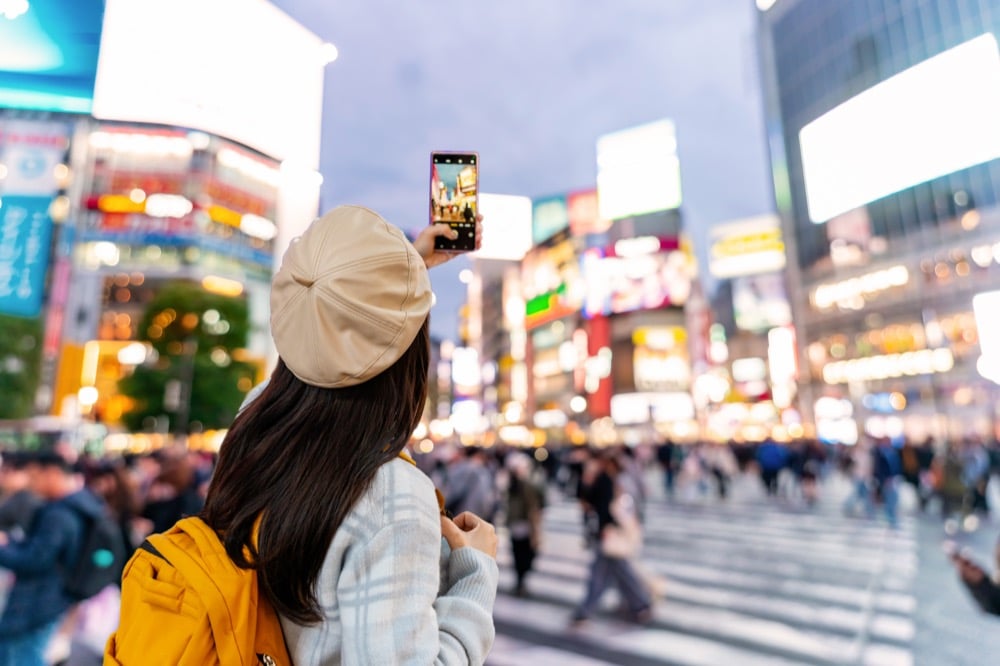
Tokyo nightlife offers endless options, from casual izakaya and cocktail bars to clubs that stay open until morning. But enjoying the city after dark often means navigating between multiple neighborhoods, checking train schedules, and making spontaneous plans.
Reliable internet access makes the navigation process far easier. With navigation apps, ride-hailing services, and restaurant search tools all depending on connectivity, staying online helps travelers move around the city confidently and safely throughout the night.
Tokyo Nightlife Basics: How to Enjoy Tokyo After Dark
Tokyo nightlife offers an enormous variety of experiences, from small alleyway bars and izakaya to international clubs that remain open until early morning. Major nightlife districts operate safely and efficiently, but enjoying Tokyo after dark requires a basic understanding of transportation schedules, neighborhood differences, and late-night logistics.
Public trains in Tokyo operate with remarkable precision during the day, yet most lines stop running around midnight. Travelers unfamiliar with the last train schedule may find themselves searching for transportation late at night. Planning your evening with reliable navigation tools and real-time transit information helps ensure that your Tokyo nightlife experience remains smooth and enjoyable.
The “Where Did the Last Train Go?” Scenario
Many travelers experience the same situation during their first night out in Tokyo. You enjoy drinks at an izakaya, explore a few bars, and suddenly notice that the train station gates are closing.
Tokyo’s extensive rail network makes transportation convenient throughout the day, but most lines stop operating between midnight and 1:00 AM. Missing the last train means choosing between several alternatives:
- Taking a taxi across the city
- Waiting until the first train around 5:00 AM
- Spending time in a late-night karaoke venue or café
A quick check on Google Maps or a transit application can prevent that situation. Planning your route helps you decide whether to return to your hotel before midnight or continue exploring Tokyo's nightlife, with alternative transportation options in mind.
Reliable internet access plays an important role during these late-night decisions.
Tokyo Nightlife is Safe but Requires Some Preparation
Tokyo is a popular vacation spot and consistently ranks among the safest major cities in the world, and nightlife districts generally remain active and well-lit throughout the night. Visitors frequently walk between bars, restaurants, and train stations without concern.
Even so, preparation remains important for a smooth evening. Several factors make planning helpful:
- Transportation schedules: Most trains stop running around midnight
- Navigation complexity: Large stations such as Shinjuku and Shibuya contain multiple exits and underground corridors
- Late-night logistics: Finding open restaurants or taxis after midnight requires real-time information
For example, Shinjuku Station contains more than 200 exits. Without navigation assistance, locating the correct street exit late at night can become confusing, especially after visiting multiple bars.
Travel preparation allows you to enjoy Tokyo nightlife while avoiding unnecessary stress.
Why Internet Access Matters During Tokyo Nightlife
Reliable internet access significantly improves your ability to move between nightlife districts and return safely to your accommodation.
Several situations during a typical night out require internet access.
Checking Last Train Times
Transit applications such as Google Maps provide real-time departure information for each train line. Tokyo subway lines do not always share identical schedules, so confirming the last train for your specific route is important.
Booking Taxis Late at Night
Taxi services become the primary mode of transportation after midnight. Ride-hailing applications allow you to request a taxi quickly, rather than searching for an available vehicle on the street.
Finding Late-Night Food or Karaoke
Tokyo contains many restaurants that remain open late, including ramen shops and 24-hour convenience stores. Google Maps search filters help locate businesses that are currently open.
Tokyo Nightlife Areas: Where to Go for Different Experiences
Tokyo nightlife spans multiple neighborhoods, each with a distinct atmosphere. Some districts focus on energetic club scenes, while others specialize in small cocktail bars or creative music venues.
Choosing the right area helps you match your evening plans with the type of experience you prefer.
Hidden Micro-Bars in Golden Gai
Tokyo nightlife is not only about large clubs or crowded streets. In older entertainment buildings—especially in areas like Golden Gai—entire floors are filled with extremely small bars, many of which seat only five to eight people.
These “micro-bars” are one of the most unique nightlife experiences in Tokyo. Each bar often has its own distinct theme, such as:
- Jazz or vinyl music bars
- Movie or pop culture-themed spaces
- Tiny counter bars run by a single bartender
Unlike typical bars, many of these venues have no large street-level signage. Instead, visitors will find a small directory near the building entrance or elevator, often listing bar names only in Japanese.
Because of the old-style listing, travelers frequently rely on the following.
- Google Maps reviews
- Online recommendations
- Social media posts
After which, they then decide which bar to visit. It adds an element of discovery, where choosing a bar becomes part of the experience itself.
The intimate size of these venues also creates a distinct atmosphere from that of typical nightlife spots. Conversations between guests and bartenders are common, and some bars cater to regulars, offering visitors a glimpse into a more local side of Tokyo nightlife.
For travelers willing to explore beyond the obvious, these hidden micro-bars offer one of the most memorable and personal ways to experience Tokyo after dark.
Tokyo Nightlife in Shinjuku
Shinjuku remains one of the most famous Tokyo nightlife districts. The area attracts visitors seeking dense clusters of bars, entertainment venues, and late-night dining.
Kabukicho Entertainment District
Kabukicho is Tokyo's largest nightlife district. Streets are lined with restaurants, bars, karaoke venues, and entertainment venues that stay open well into the night.
Golden Gai Bar Hopping
Golden Gai consists of narrow alleyways containing dozens of extremely small bars, many holding fewer than ten seats. Visitors often move between several bars during one evening, creating a classic Tokyo bar-hopping experience.
LGBTQ+ Nightlife in Ni-chome
Shinjuku Ni-chome hosts one of the largest LGBTQ+ nightlife communities in Asia. The neighborhood contains numerous bars and clubs welcoming both locals and international visitors.
Tokyo Nightlife in Shibuya
Shibuya offers one of Tokyo's most energetic nightlife scenes, particularly popular with younger crowds and international visitors.
Clubs and DJ Venues
Many well-known Tokyo clubs in Shibuya feature electronic music, hip-hop, and international DJs.
Rooftop Bars and Nightlife Lounges
Several modern buildings near Shibuya Station feature rooftop bars or upscale lounges offering views of the city skyline.
Nonbei Yokocho Alley Bars
Nonbei Yokocho, often translated as “Drunkard’s Alley,” contains a narrow street lined with small traditional bars. The atmosphere contrasts sharply with the modern surroundings of Shibuya’s commercial district.
Tokyo Nightlife in Roppongi
Roppongi attracts a highly international crowd and remains one of the most well-known nightlife districts among overseas visitors.
International Nightlife Crowd
Many bars and clubs cater to travelers and expatriates, creating a multicultural nightlife environment.
Clubs Open Until Early Morning
Several venues remain open until 4:00 or 5:00 AM, making Roppongi a common destination after the last train departs.
Popular Area for Late-Night Parties
The nightlife streets around Roppongi Crossing are home to numerous bars, clubs, and restaurants that stay open late.
Tokyo Nightlife in Shimokitazawa
Shimokitazawa offers a distinct Tokyo nightlife scene, emphasizing creativity and an independent culture.
Indie Live Music Venues
The neighborhood contains many small live houses featuring emerging Japanese bands and independent artists.
Alternative Bars and Cafés
Vintage shops, record stores, and unique bars contribute to Shimokitazawa’s artistic atmosphere.
Young Creative Nightlife Atmosphere
Students and artists frequently gather in the area, creating a relaxed, informal nightlife scene.
Tokyo Nightlife in Ebisu and Daikanyama
Ebisu and Daikanyama provide a quieter alternative to Tokyo’s larger nightlife districts.
Cocktail Bars and Stylish Lounges
The area contains numerous sophisticated cocktail bars and wine lounges known for carefully crafted drinks.
Quieter and More Upscale Nightlife
Compared with Shinjuku or Shibuya, the nightlife environment feels calmer and more refined.
Ideal for Couples and Relaxed Evenings
Visitors seeking conversation-focused bars rather than crowded clubs often prefer these neighborhoods.
Tokyo Nightlife Culture: How Bars and Izakaya Work

Understanding a few cultural aspects of Japanese bars and izakaya can improve your Tokyo nightlife experience. Many establishments operate slightly differently from bars in the United States.
Table Charges and “Otoshi” Explained
Many izakayas automatically serve a small appetizer when you sit down. The appetizer is called “otoshi.”
Otoshi functions as a table charge rather than a complimentary snack. The cost typically ranges from 300 to 600 yen per person and appears on your final bill.
Receiving the small dish is a normal practice across Japan, so the charge should not be interpreted as an unexpected fee.
Nomihodai (All-You-Can-Drink) Systems
Many izakayas offer “nomihodai,” a time-limited all-you-can-drink plan.
Typical characteristics include:
- Time limit of 90 to 120 minutes
- Fixed drink menu options
- Prices range from 1,500 to 3,000 yen, depending on the establishment
Nomihodai plans often accompany group reservations or dinner courses.
Payment Culture in Tokyo Bars
Payment practices vary depending on the type of bar or restaurant.
Cash vs Card Availability
Many nightlife venues now accept credit cards, but smaller bars may still prefer cash payments.
Splitting Bills in Groups
Group payments often occur on a single combined bill rather than individual checks. Many travelers settle group payments afterward using mobile payment applications.
Tokyo Nightlife Etiquette: What Visitors Should Know
Understanding basic etiquette helps you enjoy Tokyo nightlife comfortably while respecting local customs. Bars, clubs, and izakaya across Tokyo generally welcome international visitors, but several social expectations differ slightly from those in the United States' nightlife culture.
Familiarity with noise levels, smoking rules, and tipping practices helps you avoid confusion and ensures smoother interactions with staff and other guests.
Noise Levels and Social Norms
Tokyo bars and izakaya are social environments where conversation and laughter are common. However, many establishments maintain a moderate volume level rather than an extremely loud atmosphere.
Several cultural factors influence the environment:
- Many bars are small, sometimes seating fewer than ten guests
- Conversations often take place in close proximity to the bartender and other guests
- Respectful behavior toward neighboring tables is expected
Large clubs in areas such as Shibuya or Roppongi naturally feature louder music. In contrast, small venues like bars in Golden Gai in Shinjuku encourage relaxed conversation rather than loud group behavior.
Maintaining a moderate speaking volume helps create a comfortable atmosphere for everyone in the venue.
Smoking Rules in Bars and Clubs
Smoking regulations in Japan have gradually changed in recent years. National regulations introduced stricter rules in 2020, but smoking is still permitted in certain nightlife environments.
Common situations include:
- Designated smoking rooms: Many restaurants and bars provide enclosed smoking areas
- Small bars exemptions: Some smaller establishments may allow smoking inside if they meet specific regulatory conditions
- Large clubs: Clubs often designate separate smoking spaces
Visitors who prefer non-smoking environments may wish to confirm smoking policies before entering a small bar. Many modern establishments clearly indicate smoking rules near the entrance.
No Tipping Culture in Japan
Tipping is not part of Japanese service culture. Restaurants, bars, taxis, and hotels typically do not expect additional gratuities.
Instead of tips, some establishments include a service charge on the final bill. Examples include:
- Table charges in bars
- Otoshi appetizer charges in izakaya
- Service charges at upscale restaurants
Leaving cash tips can sometimes create confusion because staff members may try to return the money.
Polite communication and respectful behavior are considered the appropriate way to express appreciation for service in Japan.
Tokyo Nightlife Transportation: Getting Around Late at Night
Transportation planning is one of the most important aspects of enjoying Tokyo nightlife. The city operates one of the most efficient rail systems in the world during daytime hours, but train schedules change significantly after midnight.
Understanding how to check the last train and what options remain available afterward helps you avoid transportation difficulties.
Checking the Last Train in Tokyo
Most train and subway lines in Tokyo stop operating between midnight and 1:00 AM. Exact schedules vary by line and direction.
For example:
- Some Tokyo Metro lines stop slightly before midnight
- Certain JR lines run closer to 12:30 AM
- Final trains from central stations such as Shinjuku or Shibuya may differ by destination
Real-time transit applications are the most reliable way to confirm departure times.
Useful tools include:
- Google Maps transit navigation
- Japanese train route applications
- Official railway websites
Checking the final train before moving between nightlife districts helps you avoid unexpected transportation challenges later in the evening.
What to Do If You Miss the Last Train in Tokyo
Missing the final train does not mean the evening must end immediately. Tokyo provides several practical alternatives for late-night transportation or accommodation.
Taking a Taxi
Taxi services operate throughout the night across Tokyo. Drivers accept cash and most major credit cards.
Typical taxi fares in central Tokyo often range from 3,000 to 6,000 yen, depending on distance and traffic conditions. Late-night surcharges apply after approximately 10:00 PM, slightly increasing the meter rate.
Taxi stands are common near major nightlife districts such as Shibuya, Shinjuku, and Roppongi.
Waiting for the First Train
Some visitors choose to remain in nightlife districts until the first trains begin operating around 5:00 AM.
Several businesses operate throughout the night and provide comfortable places to wait:
- Karaoke venues with private rooms
- Manga cafés offering reclining chairs or small booths
- Late-night cafés and restaurants
Many karaoke establishments offer overnight packages that let guests stay until morning for a fixed price.
Capsule Hotels and Budget Overnight Options
Capsule hotels provide compact sleeping pods designed for short overnight stays. The accommodation style originated in Japan and remains widely available near major train stations.
Typical characteristics include:
- Individual sleeping pods
- Shared bathroom facilities
- Overnight prices generally range from 3,000 to 6,000 yen
Capsule hotels in areas such as Shinjuku and Shibuya often accommodate guests who miss the last train.
Tokyo Taxi and Ride-Hailing Apps to Download
Ride-hailing applications can simplify late-night transportation when taxi lines are long or street availability is limited.
Uber / DiDi / S.RIDE / GO
Several ride-hailing services operate in Tokyo, connecting passengers with licensed taxi drivers.
- Uber: Available in many central districts
- DiDi: Widely used across Japanese cities
- S.RIDE: Developed by major Japanese taxi companies
- GO: One of the most popular domestic taxi booking platforms
These applications allow you to request a taxi, estimate fares, and confirm pick-up locations directly from your smartphone.
Why Installing Taxi Apps Before Your Night Out Helps
Installing ride-hailing applications before leaving your hotel improves efficiency during late-night travel.
Benefits include:
- Faster taxi requests during peak hours
- Clear pick-up location guidance through GPS
- Digital payment options without handling cash
Reliable internet access is important when requesting rides or confirming pick-up points in busy nightlife districts.
Tokyo Nightlife Late-Night Food and 24-Hour Spots
Late-night dining plays an important role in Tokyo nightlife culture. Many travelers end their evening with a bowl of ramen or a quick snack before returning to their accommodation.
Several types of establishments remain open late or operate around the clock.
Convenience Stores for Late-Night Snacks
Convenience stores are among the most reliable late-night food options in Tokyo.
Major chains include:
- 7-Eleven
- Lawson
- FamilyMart
These stores operate 24 hours a day and offer a wide selection of ready-to-eat meals, beverages, and snacks. Travelers commonly purchase items such as onigiri rice balls, sandwiches, or hot drinks after a night out.
Convenience stores also provide ATMs and basic supplies, making them useful stops during late-night exploration.
Late-Night Ramen and Casual Dining
Ramen restaurants frequently operate late into the night, particularly in nightlife districts.
One well-known example is Ichiran, a ramen chain recognized for individual booth seating and extended operating hours. Several Ichiran locations in Tokyo operate 24 hours, making them popular destinations after bars close.
Other ramen shops near major train stations often remain open until the early morning hours.
Eating ramen after a night out has become a common Tokyo nightlife tradition.
Using Google Maps “Open Now” Filters at Night
Finding open restaurants late at night can be easier using location-based search tools.
Google Maps includes an “Open Now” filter that allows you to:
- Locate restaurants currently operating
- View opening hours for nearby establishments
- Navigate directly to late-night dining locations
The feature is especially useful in large nightlife districts where hundreds of restaurants operate within a small area.
Reliable internet access allows you to quickly identify dining options and avoid walking long distances to find open establishments.
Tokyo Nightlife Safety Tips for Travelers
Tokyo is widely considered one of the safest major cities in the world, and most visitors enjoy its nightlife without issue. However, as in any large metropolitan area, certain situations require heightened awareness, especially in busy entertainment districts late at night.
Understanding common nightlife risks, knowing how to stay connected with your group, and being aware of emergency resources can help ensure a smooth and enjoyable night out.
How to Avoid Bar Scams and Street Promoters
In nightlife areas such as Kabukicho (Shinjuku) and Roppongi, visitors may occasionally encounter street promoters inviting people into bars or clubs. While some are legitimate, others may lead customers to establishments that charge excessive or unclear fees.
To avoid problems:
- Avoid following street promoters (“catchers”) to unfamiliar venues
- Check Google Maps reviews before entering bars or clubs
- Confirm prices and cover charges before ordering drinks
- Stick to well-known streets and venues
Many reputable bars in areas like Golden Gai, Shibuya, and Ebisu operate transparently and welcome international guests. Exercising basic caution usually prevents issues.
What to Do If Your Group Gets Separated
Large nightlife districts can become crowded, making it easy for groups to get separated, especially when moving between bars or clubs.
Simple precautions can make reconnection easier:
- Share real-time location using messaging apps such as WhatsApp, LINE, or iMessage
- Agree on a meeting point before entering crowded venues
- Keep your phone charged so you can navigate and communicate
Location sharing is especially helpful when navigating busy areas like Shibuya Crossing or Kabukicho, where thousands of people may be walking through the streets at once.
Emergency Contacts in Japan
Although emergencies are rare, knowing key contact numbers can provide reassurance during late-night outings.
Important emergency numbers include:
- Police: 110
- Ambulance / Fire Department: 119
Another helpful resource is the koban, or neighborhood police box. These small police stations are located throughout Tokyo and are often positioned near major train stations and intersections.
Police officers at the koban can assist with:
- Directions
- Reporting lost items
- Minor incidents or emergencies
If you ever feel unsure about a situation during a night out, visiting a nearby koban is a reliable way to get assistance.
Tokyo Nightlife Sample Itinerary: A Perfect Night Out
Tokyo offers countless ways to experience nightlife, but first-time visitors may appreciate a simple structure for the evening. The following sample itinerary introduces several popular districts while leaving flexibility to adjust based on personal preferences.
18:00 – Start With Izakaya Drinks in Shibuya
Begin the evening in Shibuya, one of Tokyo’s most energetic neighborhoods. Small izakaya pubs are perfect for starting the night with casual drinks and shared dishes.
Popular areas include:
- Nonbei Yokocho (Drunkard’s Alley)
- Small backstreet izakaya near Shibuya Station
Ordering several small dishes and drinks allows visitors to experience traditional Japanese casual dining culture before moving on to nightlife districts.
20:30 – Visit Shibuya Scramble Crossing
After dinner, walk to Shibuya Scramble Crossing, one of the most famous intersections in the world.
At night, the crossing becomes especially impressive due to:
- Large LED billboards
- Dense pedestrian traffic
- Bright city lights and photography opportunities
Many travelers also stop by nearby viewpoints or cafés to watch the crossing from above.
21:30 – Head to Shinjuku and Check the Last Train
From Shibuya, take a short train ride to Shinjuku, another major nightlife hub.
Before continuing the night, it is a good idea to check the last train schedule using Google Maps or a transit app. Knowing the final train departure helps you decide later whether to head home or stay out until morning.
22:00 – Bar Hopping in Golden Gai
Shinjuku’s Golden Gai district is famous for its narrow alleys and tiny themed bars. Many venues seat fewer than ten customers, creating an intimate and social atmosphere.
Bar hopping in Golden Gai allows visitors to:
- Experience multiple small bars in one evening
- Meet both locals and international travelers
- Enjoy unique bar concepts and decorations
Some establishments charge a small cover fee, which is common in the area.
23:30 – Decide: Last Train or Late-Night Karaoke
As midnight approaches, visitors usually make one of two choices:
- Catch the last train back to their accommodation
- Continue the night at a late-night karaoke venue
Karaoke is extremely popular in Japan, and many locations remain open all night. Private rooms allow groups to sing, relax, and wait comfortably until the first morning trains begin operating.
Tokyo Nightlife Frequently Asked Questions
Visitors often have similar questions when planning their first night out in Tokyo. The following answers address several common concerns about language, safety, costs, and nightlife expectations.
Can You Enjoy Tokyo Nightlife Without Speaking Japanese?
Yes. Many bars, clubs, and restaurants in popular nightlife districts are accustomed to international visitors.
In areas such as Shibuya, Shinjuku, and Roppongi, it is common to find:
- English menus
- Staff with basic English communication skills
- Payment terminals that support international credit cards
Translation apps can also assist when reading menus or communicating with staff.
What Is the Legal Drinking Age in Japan?
The legal drinking age in Japan is 20. It is a law that applies to both alcohol purchases and consumption.
Bars, clubs, and convenience stores may request identification if a guest appears younger than 20.
Is Tokyo Safe to Walk Around at Night?
Tokyo generally has a very low crime rate, and many neighborhoods remain active late into the night. Streets around major train stations are often lined with restaurants, convenience stores, and nightlife venues.
Basic precautions are still recommended:
- Stay in well-lit areas
- Avoid following unknown street promoters
- Keep personal belongings secure
Following these common-sense measures helps ensure a comfortable nightlife experience.
How Much Should You Budget for Tokyo Nightlife?
Nightlife costs vary widely depending on where you go.
Typical examples include:
- Izakaya dinner and drinks: 3,000–5,000 yen per person
- Bar drinks: 700–1,200 yen each
- Club entrance fees: 2,000–4,000 yen, depending on the venue
Budgeting around 5,000–10,000 yen for a full night out is a reasonable estimate for many visitors.
Do Tokyo Nightclubs Have Dress Codes?
Most Tokyo clubs maintain relatively relaxed dress codes compared to some international nightlife destinations.
However, certain guidelines are common: Avoid extremely casual clothing such as beachwear or flip-flops.
- Athletic wear may be discouraged at upscale venues
- Some clubs may require ID verification at the entrance
Smart-casual attire is generally acceptable at most nightlife venues in Tokyo.
Tokyo Nightlife Navigation: Why Reliable Internet Helps
Tokyo nightlife often involves moving between areas like Shibuya and Shinjuku, checking train schedules, and making last-minute plans. Having reliable internet makes these decisions much easier.
- Check the last train schedules: Most trains stop between midnight and 1 AM, so apps like Google Maps can help confirm the final departure time.
- Book taxis quickly: Ride apps such as Uber, DiDi, S.RIDE, or GO allow you to request a taxi if you miss the last train.
- Find late-night food or bars: Map apps can help you locate nearby restaurants that are still open.
- Share locations with friends: Messaging apps make it easier to reconnect if your group gets separated in crowded nightlife districts.
Using a portable router like NINJA WiFi helps ensure you stay connected throughout the night. The device can connect multiple phones at once, making it convenient for groups exploring Tokyo together.
NINJA WiFi can be picked up directly at major airports or delivered to your hotel, allowing travelers to get online as soon as they arrive in Japan.
Stay connected during your night out with NINJA WiFi, so you can check last trains, book taxis, and find late-night food without worrying about losing internet access while exploring Tokyo nightlife.
Conclusion
Exploring Tokyo at night is one of the most memorable parts of visiting the city. Whether you are bar hopping in Golden Gai, catching the last train from Shibuya, or searching for late-night ramen, reliable internet access makes the experience smoother.
From checking transportation schedules to booking taxis and staying connected with friends, a stable connection helps you focus on enjoying the city rather than worrying about logistics.
Using a portable Wi-Fi solution ensures you can navigate Tokyo nightlife freely and stay connected wherever the evening takes you.
Please do not hesitate to contact us whenever you would like to inquire about NINJA WiFi.