




Do You Need a Japanese Phone Number as a Tourist? Options, Alternatives, and What Actually Matters
When planning a trip to Japan, many travelers wonder whether they need a Japanese phone number to get around smoothly. Questions often arise about restaurant reservations, transportation apps, emergency contact requirements, and daily communication while traveling.
For most tourists, the answer is simpler than expected: a traditional Japanese phone number is rarely essential. What matters far more is reliable data connectivity. Maps, translation tools, messaging apps, and online booking platforms allow you to travel efficiently without relying on voice calls.
Understanding when a Japanese phone number is genuinely useful and when it is unnecessary can help you avoid complicated contracts, save time on arrival, and focus on staying connected in ways that truly support your travel experience.
Do You Need a Japanese Phone Number When Traveling to Japan?
Many travelers assume that visiting Japan requires getting a local phone number, especially given how important reservations, confirmations, and digital services have become. In reality, whether you need a Japanese phone number depends largely on how you plan to travel, which services you intend to use, and how reliable your internet access will be during your stay.
Short Answer: Most Tourists Do Not Need a Japanese Phone Number
For the majority of tourists visiting Japan for sightseeing, dining, and short-term stays, a Japanese phone number is not required. Modern travel in Japan is heavily supported by online systems, QR codes, email confirmations, and messaging apps rather than voice calls.
Restaurants, hotels, transportation services, and tourist facilities increasingly rely on online reservations and digital communication, indicating that stable data connectivity is far more important than a local phone number. As long as you can access maps, email, and messaging apps, daily travel in Japan remains smooth and manageable.
Situations Where Having a Local Phone Number Becomes Useful
Although most travelers can get by without one, certain situations can make having a local phone number convenient.
Some locally operated restaurants still request a Japanese phone number for reservation confirmation, especially smaller establishments that do not use international booking platforms. In addition, certain ride-hailing or delivery apps may require a local number during registration, even if the service itself is rarely needed for short stays. A Japanese phone number may also be requested as a backup contact by accommodation providers, particularly when checking in late or coordinating arrival details.
However, these cases are relatively limited and often have practical workarounds.
Why Data Connectivity Matters Regardless of Your Choice
Whether or not you decide to obtain a Japanese phone number, reliable internet access remains essential throughout your trip.
Many voice-related alternatives, such as 050 IP phone numbers, LINE calls, WhatsApp, and online reservation systems, operate entirely over data connections. Even the process of applying for or managing a phone number typically requires internet access.
Japan’s urban areas are well-connected, but public Wi-Fi is inconsistent. Underground train systems often lack stable Wi-Fi, rural destinations such as Mount Fuji and regional towns may have limited coverage, and relying on unsecured public networks raises security concerns. Consistent data access ensures that navigation apps, translation tools, and communication with family or hotels continue working when you need them most.
Why Phone Numbers Still Function as Identity in Japan
In Japan, phone numbers often function as a form of identity. While most people in Japan actively use LINE for daily communication, that does not replace the role of a phone number in formal or semi-formal systems.
Phone Numbers as a Core Identifier in Japanese Services
Many Japanese services require a phone number for identity verification or account registration. Banks, clinics, delivery services, utility providers, and even job applications often ask for a phone number as a mandatory field. In these contexts, the phone number is treated as a stable, personal identifier tied to an individual rather than just a communication tool.
Consequently, simply being reachable through messaging apps like LINE is often not enough. Even if communication occurs elsewhere, a phone number is still required to complete registration or verification.
Why Japan Never Fully Shifted to Email-Based Identity
Unlike some Western countries, where email addresses became the primary digital identifier, Japan continued to rely heavily on phone numbers. Phone numbers were already widely adopted and seen as more permanent and trustworthy than email addresses, which can be easily created or abandoned.
The historical choice still shapes modern systems, especially in systems built years ago that are still in use. As a result, phone numbers remain deeply embedded in administrative, commercial, and logistical processes across Japan.
For travelers, that background helps explain why services in Japan may unexpectedly request a phone number, even in situations where communication or verification could otherwise be handled entirely online.
Situations Where a Japanese Phone Number is Required or Helpful
As explained earlier, there are specific scenarios where having a Japanese phone number can simplify your stay. Let’s take a closer look at what these are.
Restaurant Reservations That Require Phone Confirmation
Some restaurants, particularly independent or traditional establishments, may request a Japanese phone number when accepting reservations. These venues sometimes confirm bookings by calling shortly before the reservation time.
In major cities, many restaurants now use online booking platforms that accept international contact details. However, outside tourist-heavy areas, phone-based confirmation remains common.
Ride-Hailing and Delivery App Registration
A limited number of ride-hailing and food delivery apps in Japan require a local phone number to complete account registration. While taxis are readily available without apps, travelers staying longer or visiting residential areas may find these services useful.
That said, usage among short-term visitors remains relatively low, and many travelers rely on trains, buses, or hotel-arranged transportation instead.
Limited Identity Verification Scenarios
Certain services may request a Japanese phone number as part of an identity verification process, particularly when signing up for domestic platforms not designed for international users.
These cases are uncommon for tourists but may apply to business travelers or visitors staying for an extended period who need access to local services.
Emergency Contact Requests From Accommodation Providers
Hotels, ryokan, and short-term rentals sometimes ask for a reachable phone number in case of emergencies or schedule changes. In practice, email or messaging apps are often accepted as alternatives, especially when staff are accustomed to hosting international guests.
Situations Where a Japanese Phone Number is Not Necessary
For most travel activities in Japan, a local phone number provides little added value when compared to reliable data access.
General Sightseeing and Short-Term Travel
Tourist attractions, museums, observation decks, and cultural sites typically rely on digital tickets, QR codes, or on-site staff assistance. Voice calls are rarely required.
Navigation apps, translation tools, and travel guides all function through data connections, making internet access the primary requirement.
Public Transportation and Navigation
Japan’s transportation system is highly structured and traveler-friendly. Trains, buses, and subways do not require phone-based verification, and ticket purchases can be completed at machines or online.
On the other hand, mapping apps are often essential for navigating complex stations and dense city centers.
Shopping and Cashless Payments
Shopping in Japan does not require a phone number: credit cards, mobile wallets, and IC cards are all you need. Even duty-free purchases rely on passport verification rather than phone-based confirmation.
Most Hotels, Ryokan, and Short-Term Accommodations
The majority of accommodations in Japan are accustomed to hosting international travelers. Communication before arrival is typically handled via email or booking platforms, and staff often assist with reservations or phone calls when needed.
For standard hotel stays, a Japanese phone number is rarely a requirement.
How to Get a Japanese Phone Number: Voice SIM Options
Obtaining a traditional Japanese phone number typically translates to using a voice-enabled SIM card. While using a voice-enabled SIM card may sound straightforward, it is often the most difficult route for short-term travelers to Japan.
Why Voice SIM Contracts are Difficult for Short-Term Visitors
Most Japanese voice SIM plans are designed primarily for residents rather than short-term visitors. Mobile carriers typically require long-term use and proof of stable residency, creating significant barriers for travelers. Many plans come with minimum contract periods that exceed the length of a typical trip, use monthly billing rather than short-term prepaid options, and require applications to be completed in Japanese.
In addition, carriers often request documentation such as a residence card, a Japanese address, or a locally issued credit card as part of telecom regulations and fraud prevention policies. For travelers entering Japan on a temporary visitor status, meeting these requirements is usually impossible. As a result, even those who want a Japanese phone number may find they cannot complete the application process, making voice SIM contracts impractical for most tourists and short-term business travelers.
Limited Prepaid SIM Options with Voice Calling
A small number of prepaid SIMs with voice calling are available, but availability is limited, and conditions vary. These options often come with:
- Higher costs compared to data-only SIMs
- Short validity periods
- Limited calling functionality, sometimes restricted to domestic calls
For many travelers, the added complexity and cost do not justify choosing a voice SIM over simpler alternatives.
Using a 050 IP Phone App Instead
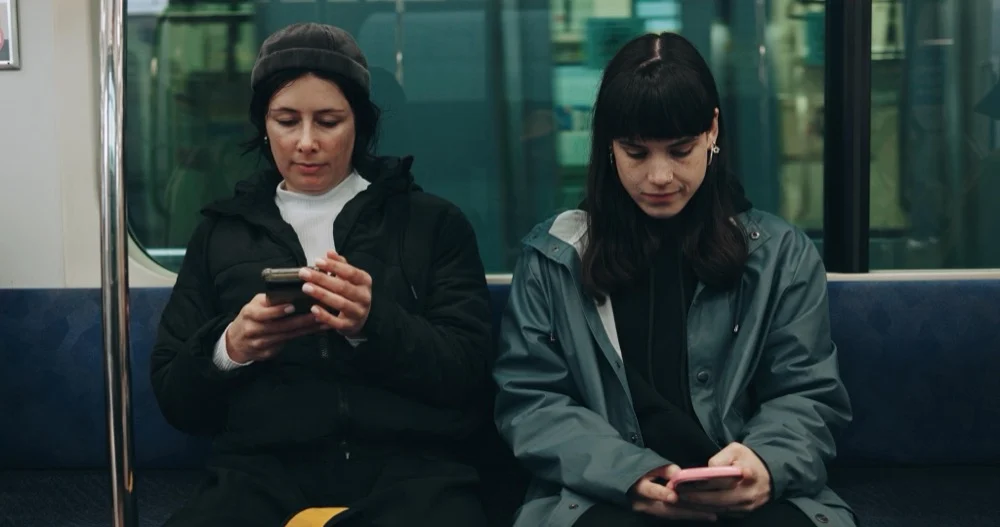
For travelers who only need a reachable number rather than a traditional SIM, 050 IP phone numbers offer a practical alternative.
How 050 Phone Numbers Work
050 numbers are IP-based phone numbers that operate entirely over the internet. Calls are made and received through an app using a data connection rather than a cellular voice network.
Because 050 numbers operate entirely over the internet:
- No voice SIM is required
- Data-only SIMs, eSIMs, or pocket Wi-Fi connections can support usage
- Calls can be made within Japan and, in some cases, internationally
As long as you have stable internet access, a 050 number functions much like a standard phone number for everyday communication.
Popular 050 Number Services Available in Japan
Several Japanese services offer 050 phone numbers through mobile apps. These services are commonly used by residents, remote workers, and travelers who need a local contact number without a full mobile contract.
While features differ by provider, most services allow:
- Inbound and outbound domestic calls
- App-based call management
- Optional SMS or voicemail features
We recommend that you check service terms before making your decision, as availability, pricing, and language support vary.
Pros and Cons of Using an IP Phone Number for Travel
Using a 050 phone number can be a convenient solution, but it is not without limitations.
Advantages:
- No residency or long-term contract required
- Works with data-only connections
- Easier to set up than a traditional voice SIM
Disadvantages:
- Requires continuous internet access
- Cannot be used for emergency calls such as 110 or 119
- Some services and forms do not accept 050 numbers as valid contact numbers
For many travelers, a 050 number works well as a secondary solution when paired with reliable data.
Alternatives to Getting a Japanese Phone Number
Even if you do not have a local phone number, most travel situations can still be handled smoothly by using alternative communication methods. Many services in Japan already accommodate travelers who rely on data connectivity rather than voice calling.
Asking Hotel Staff to Make Calls on Your Behalf
Hotels, ryokan, and serviced apartments in Japan are accustomed to assisting guests with phone calls. Front desk staff can often help confirm restaurant reservations, contact transportation providers, or communicate with local businesses.
Hence, for travelers staying in accommodations with on-site staff, there is no need to obtain a phone number for occasional calls.
Using Online Reservation Platforms
Many restaurants, attractions, and services in Japan now accept online reservations through websites or booking platforms. These systems typically rely on email confirmation rather than phone calls.
Using online reservations allows you to:
- Avoid language barriers during phone calls
- Complete bookings at any time
- Manage reservations directly from your smartphone
A stable internet connection remains essential, as confirmation emails, QR codes, and updates are delivered online.
Communicating Through Messaging Apps
Messaging apps such as LINE, operating entirely over data connections, are widely used in Japan for both personal and business communication. Many restaurants, tour operators, and accommodations provide messaging contact options.
Using Your Home Number With Roaming
International roaming allows you to keep your existing phone number while traveling in Japan, which can be useful for receiving verification codes or staying reachable for urgent calls.
However, roaming typically involves high charges and inconsistent performance; it is then best used as a backup.
Emergency Considerations Without a Japanese Phone Number
Let’s now take a look at the limitations of emergency communication when traveling without a Japanese phone number.
Why Data-Only SIMs and eSIMs Cannot Call 110 or 119
Emergency numbers in Japan, such as 110 for police and 119 for fire and ambulance services, require a voice-capable cellular connection. Data-only SIMs and most travel eSIMs do not support voice calling, so emergency calls cannot be placed directly.
IP phone apps and messaging services also do not connect to emergency services, even if they provide a usable phone number.
What to Do in an Emergency Without Voice Calling
If you cannot make an emergency call yourself, several alternatives remain available:
- Ask nearby people or staff to call emergency services
- Contact the hotel reception or accommodation staff immediately
- Visit the nearest police box (koban), which is common in urban areas
Public spaces such as train stations and large buildings often have staff trained to assist during emergencies.
Practical Safety Planning for Tourists
Preparing in advance reduces risk when traveling without a local phone number. Recommended steps include:
- Saving your accommodation address in Japanese
- Knowing the location of nearby police boxes
- Keeping emergency phrases accessible on your phone
- Ensuring reliable data connectivity at all times
Reliable internet access supports map navigation, translation tools, and emergency messaging, all of which contribute to safer travel experiences.
Frequently Asked Questions About Japanese Phone Numbers for Tourists
Let’s take a look at some of the most frequently asked questions about phone numbers for tourists in Japan.
Do Tourists Need a Japanese Phone Number to Travel Around Japan?
In most cases, tourists do not need a local phone number to travel comfortably. Navigation, transportation, translation, and reservations can be handled through apps and online services that rely on data connectivity rather than voice calling.
A Japanese phone number may be helpful in specific situations. Still, for general sightseeing, short-term stays, and business trips, data access is more important than having a local number.
Can Tourists Get a Japanese Phone Number Without Residency?
Obtaining a Japanese phone number with voice calling is difficult for tourists without residency. Many voice SIM contracts in Japan require a residence card and a local address.
Some prepaid SIM options with voice calling are available, but availability is limited, and conditions vary. As a result, many travelers rely on alternatives such as IP phone apps or data-based communication tools instead of a traditional Japanese phone number.
What Should I Do if a Service in Japan Asks for a Phone Number?
If a service requests a phone number, several practical options are available:
- Provide your accommodation’s phone number with permission
- Ask hotel staff to make the call on your behalf
- Use an online reservation system instead of calling
- Use a 050 IP phone number if accepted
In many cases, staff understand that travelers may not have a local phone number and can suggest alternative contact methods.
Phone Number Alternatives With NINJA WiFi
While a Japanese phone number is often unnecessary for short stays, stable internet access remains essential for nearly all forms of communication.
Why Stable Data Is Essential for 050 Phone Numbers and Messaging Apps
050 IP phone numbers, LINE, WhatsApp, and other messaging apps operate entirely over data connections. Without reliable internet access, these services cannot place calls, receive messages, or complete verification steps.
Travelers frequently encounter areas in Japan where public Wi-Fi is unavailable or unreliable, and having consistent internet access helps ensure that communication tools remain usable throughout the day.
Staying Reachable Without a Japanese Phone Number
At NINJA WiFi, we provide convenient pocket Wi-Fi rental services designed to keep you connected throughout your trip to Japan. With a single portable router, you can connect up to 5 devices simultaneously, making it easy to share internet access across smartphones, tablets, and laptops.
Our pocket Wi-Fi units run on rechargeable batteries and typically provide approximately 5–6 hours of active use, giving you reliable connectivity while you explore. For added convenience, pick-up and return are available at ten different airports across Japan, and your return location does not have to match your pick-up location. To ensure availability, reserve in advance, as airport counters do not accept walk-ins or on-site payments.
With NINJA WiFi, you can confidently use messaging apps, make online reservations, navigate with maps, and access IP phone services—all without needing a Japanese phone number.
Conclusion
For most travelers, a Japanese phone number is not required for a smooth and stress-free trip. Sightseeing, transportation, shopping, and accommodation communication can all be managed through apps and online platforms that rely on data rather than voice calls.
While certain situations may request a phone number, practical alternatives—such as online reservations, hotel assistance, and IP phone apps—are widely accepted.
What truly matters is reliable internet access. Without stable data, even phone number alternatives stop working.
That is why many travelers choose to carry a pocket Wi-Fi device as the foundation of their connectivity in Japan. Registering for a pocket Wi-Fi through NINJA WiFi helps you stay connected across cities, trains, and rural destinations, supports multiple devices, and eliminates the need to depend on public Wi-Fi or complex local contracts.
If you want to navigate confidently, stay reachable, and communicate easily, reserving before your trip can provide dependable connectivity from day one.