




Japan Travel Tips: Basic Rules and Etiquette to Remember Before Visiting Japan

Japan is often described as one of the easiest countries to travel in, yet many first-time visitors quickly realize that daily life operates differently from what they expected. From transportation systems to dining etiquette, small details can influence how smoothly your trip unfolds.
Major problems do not cause many common travel issues in Japan, but a lack of preparation does. Difficulty finding an ATM that accepts foreign cards, confusion inside large train stations, or uncertainty at restaurant entrances are all situations that can be avoided with the right knowledge.
Understanding key Japan travel tips before your arrival helps you navigate these situations with confidence. With your smartphone as your primary tool for maps, translation, and payments, having reliable internet access becomes just as important as your passport.
Japan Travel Tips: Why Preparation Matters More Than You Think
Japan is one of the safest and most organized countries in the world, but daily life operates on systems and expectations that may not be immediately obvious. Safety is supported by strong social etiquette, which means many situations rely on unspoken rules rather than clear instructions.
Small misunderstandings, such as train behavior, restaurant entry systems, or payment methods, can create unnecessary friction during your trip. These are not major issues, but they can slow you down and impact your overall experience.
Preparation allows you to move through Japan with confidence. When you can quickly check directions, translate information, or confirm details on your phone, everyday situations become significantly easier to manage.
Japan is One of the Safest Countries in the World
Japan is widely recognized as one of the safest travel destinations globally, with low crime rates and a strong sense of public order. You can walk through major cities like Tokyo or Osaka late at night with minimal concern, and lost items are often returned to their owners.
However, safety does not eliminate confusion. Many challenges travelers face in Japan are not related to danger, but rather unfamiliar systems and expectations. Navigating large train stations, understanding payment methods, or locating basic services can quickly become overwhelming without preparation.
Safety is Built on Strong Social Rules and Etiquette
Japan’s safety is closely tied to a deeply rooted culture of respect, order, and consideration for others. Social expectations are followed consistently, even without enforcement.
For example, people line up in an orderly manner at train platforms, avoid speaking loudly in public spaces, and respect shared environments. These behaviors are not written laws, but they are widely understood and practiced.
Understanding these expectations in advance allows you to move through daily situations more smoothly and avoid unintentionally disrupting the environment around you.
Small Cultural Missteps Can Lead to Big Confusion
Many common travel issues in Japan stem from small misunderstandings rather than major mistakes.
For example:
- Taking a phone call on a train may attract attention, as calls are generally avoided
- Standing on the wrong side of an escalator can disrupt the flow of foot traffic
- Entering a restaurant without realizing it requires a reservation may lead to confusion at the entrance
Situations like these are not serious problems, but they can create unnecessary stress during your trip. Having quick access to information, such as checking store policies, translations, or directions, helps resolve these moments immediately.
“Travel Smarter” Not “Follow Rules”
Preparation for Japan is not about memorizing strict rules. Preparation is about understanding how daily life functions so you can travel more efficiently and comfortably.
Simple steps such as downloading maps, setting up translation tools, and knowing how to search for nearby services can significantly improve your experience. When your smartphone becomes your primary tool for navigation, communication, and decision-making, reliable internet access becomes essential throughout your trip.
How Travelers Naturally Adapt to Japan’s Environment
One of the most interesting parts of visiting Japan is how quickly your behavior begins to adapt, often without you even realizing it.
In many situations, travelers develop a “wait and observe” approach before taking action. Whether it’s figuring out where to stand on an escalator, how to order at a restaurant, or where to line up on a train platform, people tend to glance at those around them and mirror what locals are doing. In fast-moving environments like Tokyo, this becomes one of the most effective ways to navigate unfamiliar situations smoothly, even when signage isn’t immediately clear.
At the same time, many visitors arrive with detailed itineraries, only to gradually shift toward a more flexible approach to travel. As you experience how reliable and structured everything is, from on-time trains to consistent signage, you begin to trust the system itself. Instead of sticking rigidly to a schedule, it becomes easier to make real-time decisions and adjust plans on the go. A transition often happens naturally, turning a carefully planned trip into a more relaxed and intuitive travel experience.
Japan Travel Tips: Public Etiquette That Tourists Often Miss

Public etiquette in Japan is consistent, subtle, and widely observed. Quiet behavior on trains and in cafés, orderly queuing, and awareness of shared spaces are all part of daily life.
You may also notice practical differences, such as the lack of public trash bins or the expectation to eat in designated areas. These are not strict rules, but they are important for maintaining the overall environment.
Finding solutions to small inconveniences, such as locating a convenience store for trash or checking directions inside large stations, often depends on quick access to information. Tools like Google Maps are essential, especially in complex areas or places with limited public Wi-Fi.
Keep Quiet in Public Spaces: Trains, Buses, and Cafés
Public spaces in Japan are generally quiet, especially on trains and buses. Conversations are kept to a minimum, and phone calls are avoided.
On trains, you will often see signs asking passengers to switch phones to silent mode. Even in busy areas, the atmosphere remains calm and orderly. Speaking loudly or taking calls can immediately stand out.
If you need to communicate, messaging or translation apps are the preferred alternatives.
Queuing is a Social Norm: Stations, Elevators, Restaurants
Queuing is a fundamental part of daily life in Japan. Whether you are boarding a train, waiting for an elevator, or entering a popular restaurant, forming an orderly line is expected.
At train stations, clear markings on the platform indicate where to line up. In cities like Tokyo, commuters follow these markings precisely, allowing passengers to exit before boarding.
Understanding this system helps you move efficiently through crowded areas without confusion.
Eating While Walking is Generally Avoided
Eating while walking is less common in Japan compared to many other countries. Food is typically consumed at the place of purchase or in designated areas.
For example, when buying street food in places like Nakamise Street, you are expected to eat nearby rather than walking around with food in hand.
Following this practice helps maintain cleanliness and aligns with local expectations.
Trash Bins Are Rare; Use Convenience Stores and Stations
Public trash bins are limited in Japan, especially in city centers. As a result, you may need to carry your trash for some time before finding a disposal point.
Common places to dispose of trash include:
- Convenience stores
- Major train stations
- Vending machine recycling bins (for bottles and cans)
Using apps like Google Maps lets you quickly find nearby convenience stores or stations when needed.
Finding What You Need Quickly with Google Maps
Navigation in Japan can be complex, particularly in large stations or underground areas where the mobile signal may be weak or unavailable.
For example, some underground train lines in major cities do not consistently provide Wi-Fi access, and rural areas such as the Mount Fuji region may have limited connectivity.
Using Google Maps allows you to:
- Search for nearby restaurants, ATMs, and convenience stores
- Check opening hours and reviews
- Navigate complex train routes in real time
Reliable internet access ensures that you can access this information exactly when you need it, without delays or interruptions.
Japan Travel Tips: Money, Payments, and Daily Spending
Japan has modern infrastructure, but cash is still widely used, particularly in smaller establishments and rural areas. Relying solely on credit cards can be limiting, so carrying yen is important.
At the same time, tools like IC cards and mobile payments make daily transactions more efficient when properly set up. However, setting up services such as mobile Suica requires an internet connection for registration and charging.
Access to reliable connectivity lets you locate compatible ATMs, check a store's payment methods, and manage your balance in real time. Without it, even simple transactions can become inconvenient.
Japan is Modern but Still Cash-Dependent
Japan is technologically advanced, but cash remains an important part of daily transactions. Smaller restaurants, local shops, and rural areas often accept cash only.
Carrying sufficient cash ensures that you can make payments without relying entirely on cards or digital methods. While credit cards are accepted in major cities, availability is not guaranteed everywhere.
ATMs That Accept Foreign Cards: Where to Find Them
Not all ATMs in Japan accept international cards. The most reliable options are typically found at:
- Convenience stores such as 7-Eleven
- Major post offices
Using Google Maps helps you quickly locate nearby compatible ATMs, especially in unfamiliar areas.
Having internet access is particularly useful when you need to find an ATM urgently or confirm operating hours.
IC Cards Like Suica and PASMO for Daily Payments
IC cards such as Suica and PASMO are widely used across Japan.
These cards allow you to:
- Pay for trains and buses
- Make purchases at convenience stores
- Buy drinks from vending machines
Using an IC card simplifies daily transactions and reduces the need to carry small change.
Mobile Suica Setup Requires Internet Access
Setting up a mobile version of Suica on your smartphone requires an internet connection for:
- Initial setup and card registration
- Adding funds (charging)
- Syncing payment information
If you arrive at the airport without stable connectivity, completing the setup process may be delayed. Having reliable Wi-Fi access ensures that you can activate and use mobile payments immediately upon arrival.
Japan Travel Tips: Dining Culture and Restaurant Expectations
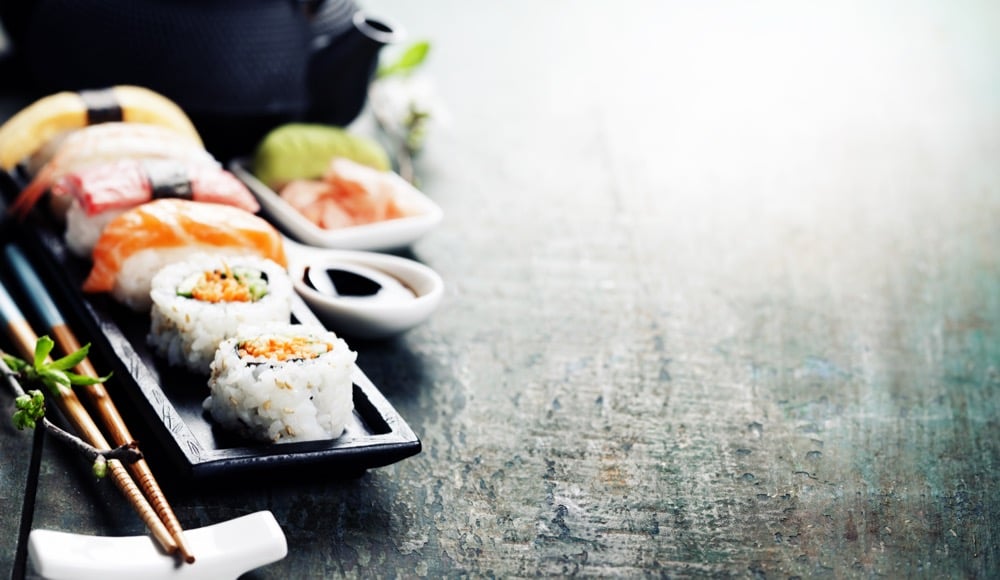
Dining in Japan is highly structured, and understanding how restaurants operate helps avoid confusion at the entrance or during your meal. From reservations to table manners, small details shape the overall experience and determine whether you can dine smoothly, especially at popular locations.
Many Popular Restaurants Require Advance Reservations
Well-known restaurants, especially in cities like Tokyo, often require advance reservations. Walk-ins are not always accepted, even if seats appear available. Some establishments operate on strict booking systems or only accept reservations through specific platforms.
Checking availability before visiting prevents wasted time and allows you to plan your schedule more efficiently.
No Tipping Culture: What to Do Instead
Tipping is not practiced in Japan and may even be confusing. Service charges are typically included in the price, and high-quality service is considered standard rather than something to reward separately.
A simple “thank you” or polite acknowledgment is the appropriate way to show appreciation.
Chopstick Etiquette and Basic Table Manners
Basic dining etiquette is important and widely observed. Avoid actions such as sticking chopsticks upright into rice or passing food directly from one chopstick to another, as these are associated with ceremonial practices.
Saying “itadakimasu” before eating and “gochisousama deshita” after finishing reflects appreciation for the meal and is a common practice.
Using Apps to Check Reviews, Menus, and Availability
Restaurant discovery in Japan is often done through apps rather than walking in spontaneously. Platforms like Google Maps allow you to check reviews, menus, pricing, and business hours in advance.
Access to real-time information is especially useful when plans change or when searching for alternatives nearby, making internet connectivity an important part of the dining experience.
Japan Travel Tips: Getting Around Efficiently in Japan
Transportation in Japan is reliable and extensive, but navigating the system efficiently requires familiarity with how trains, routes, and payment methods work together. Planning ahead allows you to avoid delays and move smoothly between destinations.
Google Maps for Real-Time Train Routes and Transfers
Navigation apps such as Google Maps provide detailed, real-time train routes, platform numbers, and transfer information.
Large stations can be complex, and underground areas may have limited signal or Wi-Fi availability. Having access to navigation tools at all times helps prevent getting lost, especially during transfers.
Trains Are the Main Transportation Method: Not Taxis
Trains are the primary method of transportation across Japan due to their speed, coverage, and reliability. Taxis are available but are significantly more expensive and less practical for daily travel.
Using train networks allows you to reach most destinations efficiently, including major cities and regional areas.
One IC Card for Trains, Buses, and Even Vending Machines
IC cards such as Suica simplify transportation and daily payments. A single card can be used across trains, buses, convenience stores, and vending machines.
An IC card reduces the need to purchase individual tickets and speeds up movement through stations.
Avoid Rush Hour and Plan Around Peak Times
Rush hour in major cities can be extremely crowded, particularly during weekday mornings and evenings. Traveling outside peak times makes navigation easier and more comfortable, especially if you are carrying luggage.
Checking train schedules in advance allows you to adjust your plans and avoid congestion.
Luggage Delivery Services for Stress-Free Travel
Japan offers efficient luggage delivery services that let you send bags between airports, hotels, and other accommodations. A luggage delivery service is especially useful when traveling through busy stations or transferring between cities.
Using these services allows you to move freely without having to manage large suitcases in crowded environments.
Japan Travel Tips: Overcoming the Language Barrier with Your Smartphone
Language differences can seem challenging at first, but modern tools make communication far more accessible. With the right apps and preparation, you can navigate most situations even without speaking Japanese.
English is Limited Outside Major Tourist Areas
English support is commonly available in hotels and major tourist destinations, but it becomes less consistent in local neighborhoods, smaller restaurants, and rural regions.
Being prepared to handle basic communication independently improves your overall experience.
Google Translate Camera for Menus and Signs
The camera feature in Google Translate lets you instantly translate menus, signs, and labels by pointing your phone at the text.
The camera translation feature is especially useful in restaurants and train stations where English translations may not be available.
Travel Translation Apps for More Accurate Translations
Travel translation apps provide more natural and accurate translations for specific situations. They are useful when clarity is important, such as when reading detailed information or communicating specific requests while traveling.
Voice Translation Apps for Real Conversations
Voice translation tools let you speak into your phone and have your words translated into Japanese in real time. These apps help facilitate basic conversations in situations such as ordering food or asking for directions.
All Translation Tools Depend on a Stable Internet
Most translation apps require an active internet connection to function effectively. While some offline features exist, accuracy and speed are significantly improved with connectivity.
Access to reliable internet ensures that you can translate information, communicate clearly, and resolve issues immediately, whether you are in a busy city or a more remote area such as the Mount Fuji region.
Japan Travel Tips: Why Reliable Wi-Fi is Essential in Japan
Reliable internet access plays a central role in navigating Japan efficiently. From checking train routes to translating menus and locating services, many essential travel tasks depend on real-time information. Without stable connectivity, even simple actions such as finding the correct platform or confirming a reservation can become time-consuming.
Almost Every Travel Situation Relies on Internet Access
Navigation, translation, payments, and reservations are all handled through your smartphone. Apps like Google Maps and Google Translate are used constantly throughout the day. In large stations or unfamiliar areas, quick access to these tools allows you to make decisions without delays.
Free Wi-Fi in Japan is Limited and Unreliable
Free Wi-Fi is available in some cafés, stations, and hotels, but coverage is inconsistent. Many networks require registration, have time limits, or offer slow speeds. Underground train lines often have weak or no signal, and rural areas such as the Mount Fuji region may have limited access to them.
Relying only on free Wi-Fi can interrupt navigation and communication at critical moments.
Pocket Wi-Fi vs eSIM: Which Option Fits Your Travel Style
Pocket Wi-Fi provides a dedicated connection that supports multiple devices, making it suitable for traveling in a group or using several devices. Battery life typically lasts around 5 to 6 hours, so charging is necessary during the day.
eSIM options are convenient for individual travelers who prefer not to carry an extra device. However, connection stability and data limits vary by provider.
Choosing the right option depends on how you plan to use your devices throughout your trip.
Stay Connected from Arrival to Departure Without Interruptions
Having internet access immediately upon arrival allows you to navigate the airport, access transportation, and reach your accommodation without uncertainty. Continuous connectivity throughout your trip ensures that you can adapt to changes, find alternatives, and manage your schedule efficiently.
Japan Travel Tips: Small Things That Can Save Your Trip
Small details in Japan can significantly impact your travel experience. Being aware of everyday practices helps you avoid confusion and ensures smoother interactions in various settings.
When and Where You Need to Remove Your Shoes
Removing shoes is required in many indoor spaces, including traditional accommodations, certain restaurants, and temples. Signs or designated entry areas usually indicate when shoes should be removed.
Wearing easy-to-remove footwear makes transitions throughout the day more convenient.
Tattoo Rules at Onsen and Public Baths
Some hot springs and public baths restrict entry for individuals with visible tattoos due to cultural associations. Policies vary by location, and some facilities allow entry if tattoos are covered.
Checking policies in advance helps you avoid being turned away upon arrival.
Smoking is Only Allowed in Designated Areas
Smoking is strictly regulated in Japan. It is prohibited on most streets and only permitted in designated smoking areas.
Using Google Maps lets you find nearby smoking zones, especially in large cities where rules are strictly enforced.
Emergency Situations: How to Find Help Quickly
In case of emergencies, knowing how to access help is essential. Police boxes, known as “koban,” are located throughout cities and provide directions and address safety concerns.
Using navigation apps helps you quickly locate the nearest police station, hospital, or pharmacy when needed.
Japan Travel Tips: Quick Checklist Before You Go
Preparing key tools and resources before arrival helps you avoid delays and ensures a smoother start to your trip. A structured checklist allows you to manage essential tasks in advance rather than handling them after arrival.
Set Up Translation Apps in Advance
Download and configure translation tools such as Google Translate before departure. Preloading languages and testing features ensures they are ready when needed.
Prepare Cash and Backup Payment Methods
Carry sufficient yen for daily expenses and ensure you have backup payment options. Not all locations accept credit cards, particularly in smaller establishments.
Download Maps and Transportation Apps
Install navigation tools such as Google Maps and confirm that key locations are saved. Having access to directions immediately after arrival reduces stress.
Reserve Restaurants and Key Experiences Early
Booking popular restaurants and activities in advance helps secure availability and avoids last-minute issues. Checking details ahead of time allows you to plan your schedule more effectively.
Arrange Pocket Wi-Fi or eSIM Before Arrival
Setting up connectivity before arriving in Japan ensures immediate access to essential tools. Whether you choose pocket Wi-Fi or an eSIM, having internet access from the start allows you to navigate, communicate, and manage your trip without interruptions.
Japan Travel Tips: Frequently Asked Questions
Planning a trip to Japan often involves practical concerns about safety, payment, language, and connectivity. Understanding these key points in advance helps you avoid uncertainty and travel with confidence.
Is Japan Safe for Solo Travelers?
Japan is considered one of the safest countries for solo travelers, including solo female travelers. Cities such as Tokyo and Kyoto maintain low crime rates and strong public order.
However, safety does not eliminate the need for preparation. Navigating transportation systems, handling language differences, and managing logistics still require planning and access to reliable information.
Do I Need Cash in Japan?
Yes, carrying cash is still necessary in many situations. While credit cards are accepted in major areas, smaller restaurants, local shops, and rural locations may only accept cash.
Having cash available ensures that you can make payments without disruption, especially outside major cities.
Can I Speak English in Japan?
English is widely understood in hotels and major tourist areas, but its use is more limited in local neighborhoods and smaller establishments.
Translation tools help bridge the gap, allowing you to read menus, understand signs, and communicate basic requests when English is not available.
What Happens If I Get Lost?
Getting lost is common, especially in large stations or unfamiliar areas. Navigation apps such as Google Maps provide real-time directions and are essential for finding your way.
Police boxes, known as “koban,” are also available throughout cities and can assist with directions if needed.
Do I Really Need Pocket Wi-Fi in Japan?
Reliable internet access significantly improves your travel experience. Navigation, translation, reservations, and payments all depend on connectivity.
Free Wi-Fi is not consistently available, and relying on it can create delays. Having a dedicated connection ensures that you can access information whenever needed.
Japan Travel Tips: Stay Connected and Travel Stress-Free with NINJA WiFi
Staying connected throughout your trip allows you to navigate Japan efficiently, communicate clearly, and adapt to changes without disruption. A dedicated Wi-Fi solution ensures consistent access to essential tools from arrival to departure.
Your Smartphone Becomes Your Translator, Navigator, and Wallet
With a stable internet connection, your smartphone serves as your primary travel tool. You can translate menus, check train routes, make reservations, and manage payments in real time.
Having continuous connectivity allows you to handle daily situations quickly and independently.
Why Pocket Wi-Fi Is the Most Reliable Option for Travelers
Pocket Wi-Fi provides a stable connection by linking directly to Japan’s mobile network. Services like NINJA WiFi allow you to connect multiple devices at once, making it suitable for group travel.
Each device can connect to up to five devices simultaneously, and plans offer high-speed data with daily usage thresholds; after those thresholds are reached, speed restrictions may apply.
Because the connection is shared through a dedicated router, you are not dependent on public networks or individual SIM limitations.
Easy Airport Pickup and Immediate Connection
One of the main advantages is the ability to pick up your device at major airports upon arrival and return it before departure. Easy pickup lets you start using the internet immediately, without searching for connectivity options.
Delivery to hotels is also available, providing flexibility depending on your travel plans.
Make the Most of Your Japan Trip with Seamless Internet
Consistent internet access ensures that you can navigate complex stations, translate information instantly, and adjust plans without delays. Coverage extends across both major cities and rural areas, allowing you to stay connected throughout your trip.
Whether you are exploring urban areas or traveling to destinations such as the Mount Fuji region, reliable Wi-Fi lets you travel more efficiently and with greater peace of mind.
Conclusion
Traveling in Japan becomes significantly more enjoyable when you understand how daily systems and cultural expectations work. From public etiquette to transportation and payments, preparation helps you navigate each situation efficiently and avoid unnecessary stress.
Many of the challenges travelers face can be resolved instantly with access to the right information. Navigation, translation, reservations, and even payment setup all depend on your ability to connect and respond in real time.
By preparing in advance and ensuring reliable internet access throughout your trip, you can focus less on problem-solving and more on experiencing everything Japan has to offer.