




Buying a SIM Card at Japanese Airports: Best Options for Tourists in 2026
Are you arriving in Japan and needing instant internet access? Buying a SIM card at the airport is one of the most convenient ways to stay connected from the moment you land, ensuring you can easily find your way to your hotel and contact your family as soon as you arrive.
Major Japanese airports offer a variety of prepaid SIM cards and eSIM options, making it easy to find a plan that suits your travel needs. In this guide, we’ll cover the best SIM card options for tourists, where to buy them, and what to consider before making a purchase.

Where to Buy a SIM Card at Japanese Airports
Major international airports offer multiple options for purchasing prepaid SIM cards with various data plans, and some also support eSIM for faster activation.
However, availability, pricing, and plan selection differ by location, making it essential to research options in advance to ensure a seamless experience upon arrival.
Major Airports Offering SIM Cards
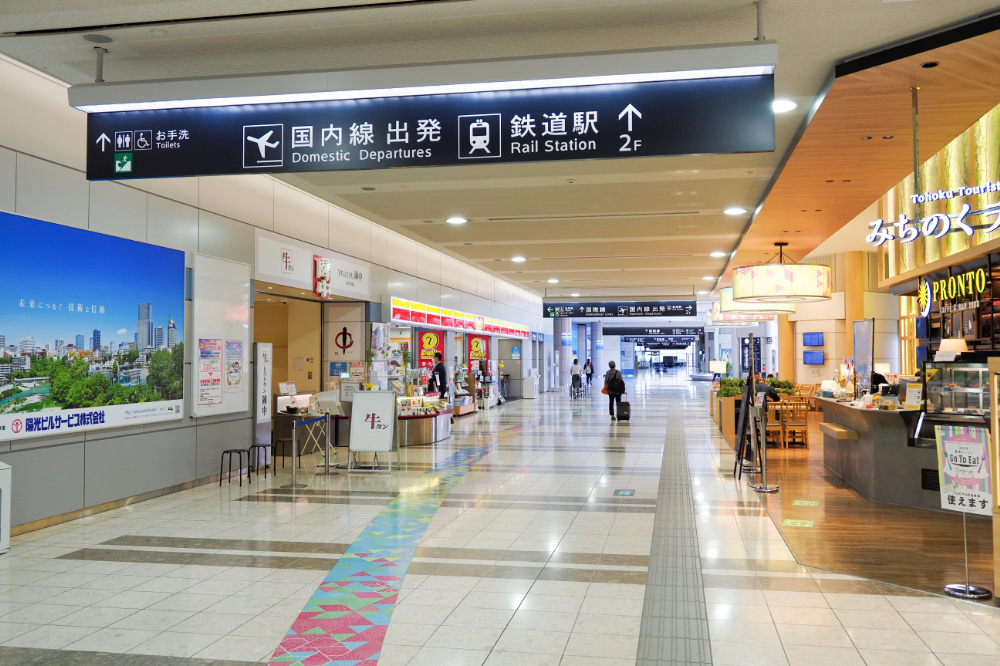
At major Japanese airports such as Narita, Haneda, Kansai International, New Chitose, and Chubu Centrair, tourists can easily find SIM cards upon arrival.
These airports have dedicated SIM card counters, vending machines, electronics stores, and even select convenience stores selling prepaid SIM options for travelers.
Travelers needing assistance can visit dedicated SIM card counters or electronics stores for support.
These locations typically have English-speaking staff who can help with setup and activation. However, physical store hours vary, and some counters may close in the evening, so travelers arriving late at night or early in the morning may need to rely on vending machines.
Mostly found in arrival halls and baggage claim areas, vending machines offer 24/7 access to prepaid SIM cards. While they provide convenience, they lack staff support, and selection may be limited compared to stores.
Although major Japanese airports offer multiple purchasing options, availability is not always guaranteed, especially during peak seasons such as April and November, when popular SIM plans sell out quickly.
To ensure a smooth arrival, it will be a better option to pre-book a SIM card online or explore alternatives like pocket WiFi, which can be picked up at the airport without worrying about stock or business hours.
SIM Card Purchase Locations
Narita Airport offers multiple SIM card purchase options across its terminals:
- ●SoftBank Global Rental Counter (Terminal 1) – Open from 4:30 am to 11 pm. It is ideal for those looking for a well-known provider.
- ●Air Bic Camera (Terminal 2) – Open from 7:30 am to 9 am. A good choice for electronics and SIM cards in one place.
- ●Narita/JR EAST Travel Center (Terminals 1, 2, and 3) – Open from 8:30 am to 7 pm. Offers SIM cards along with travel assistance.
- ●7-Eleven (Terminals 1 and 2) – Open 24/7.
- ●Lawson (Terminals 1 and 2) – Open from 4:30 to 10 pm.
- ●Vending Machines – Available 24/7 in all terminals, allowing travelers to purchase a SIM card regardless of arrival time.
SIM cards at Haneda Airport are mainly available in Terminal 3, with both staffed counters and vending machines:
- ●SoftBank Counter (Terminal 2) – Open from 8 am to 8 pm.
- ●BIC Camera Store (Terminal 3) – Open from 7 am to 10 pm.
- ●GLOBAL WiFi (NINJA WiFi) (Terminal 3) – Open from 6:30 am to 11:30 pm.
- ●J Walker SIM Vending Machine (Terminal 3) – Open from 5 am to midnight, an automatic self-service option for quick purchases.
- ●Mobile Center Haneda Airport (Terminals 2 and 3) – Open from 7 am to 9:30 pm.
- ●7-Eleven (Terminal 3) – Open from 6 am to 11:30 pm.
At Kansai International Airport, SIM cards are available at multiple locations in Terminals 1 and 2:
- ●GLOBAL WiFi (NINJA WiFi) (Terminals 1 and 2) – Open from 6 am to 11 pm (North Counter, T1), 6:30 am to 10:30 (Center Counter, T1), 7 am to 9:30 pm (T2 Counter).
- ●SIM Card Vending Machines (Terminals 1 and 2) – Open 24/7, featuring multiple providers.
Buying Online vs. At the Airport
Instead of deciding on a SIM card at the last minute, many services allow pre-booking online before departure.
This lets travelers compare plans and choose the best option without pressure.
With NINJA WiFi, you can reserve your SIM card up to one day before arrival and pick it up at the following airports: Narita, Haneda, Kansai International, and Fukuoka. For pickups at Chubu Centrair, it needs to be booked two days before arrival, and for New Chitose, it needs to be booked three days.
This allows you ample time to browse ahead, thereby ensuring a smooth and stress-free experience, eliminating the hassle of searching for a SIM card vendor after a long flight.
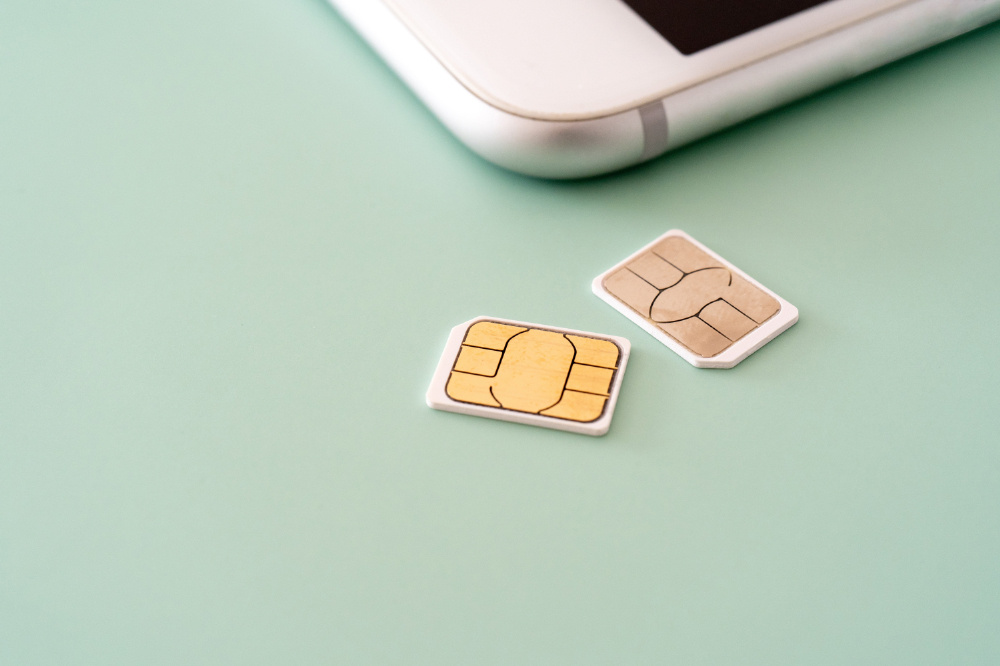
Both physical prepaid SIM cards and eSIM options are available, but prices, features, and ease of activation vary.
Before making a purchase, it’s essential to compare the different types, costs, and requirements to ensure the ideal choice for your trip.
Prepaid SIM Cards vs. eSIM: Which is Better?
Both prepaid SIM cards and eSIMs provide data access without roaming fees, but they cater to different needs:
- Prepaid SIM Cards: Most options are data-only, as Japanese regulations make voice SIM cards harder to obtain for short-term visitors. While easy to set up, prepaid SIM cards require manual installation and can be lost or damaged.
- eSIMs: A digital alternative that eliminates needing a physical SIM card. Many providers allow you to purchase an eSIM before arrival without the need to pick it up anywhere. However, WiFi is usually required for installation and activation, and not all smartphones support eSIM technology.
For travelers who prioritize convenience, an eSIM can be the best choice.
However, those with incompatible devices or no access to WiFi upon arrival may find a prepaid SIM card more reliable.
Price Comparison: How Much Do Airport SIM Cards Cost?
Pricing for SIM cards at Japanese airports varies by provider and data plan. On average, both prepaid SIM cards and eSIMs range from 3,000 to 10,000 yen for a data amount of 5GB to unlimited, valid for 7 to 30 days. NINJA WiFi’s 15-day plan offering 1GB per day is 4,422 yen, while the 30-day Infinite Unlimited Plan is 9,900 yen.
Payment methods also differ by retailer. Airport counters and electronics stores typically accept credit cards and cash, while vending machines may be cash only. For eSIM purchases, a credit card or online payment is required.
How to Set Up & Use Your SIM Card After Purchase at Japanese Airports
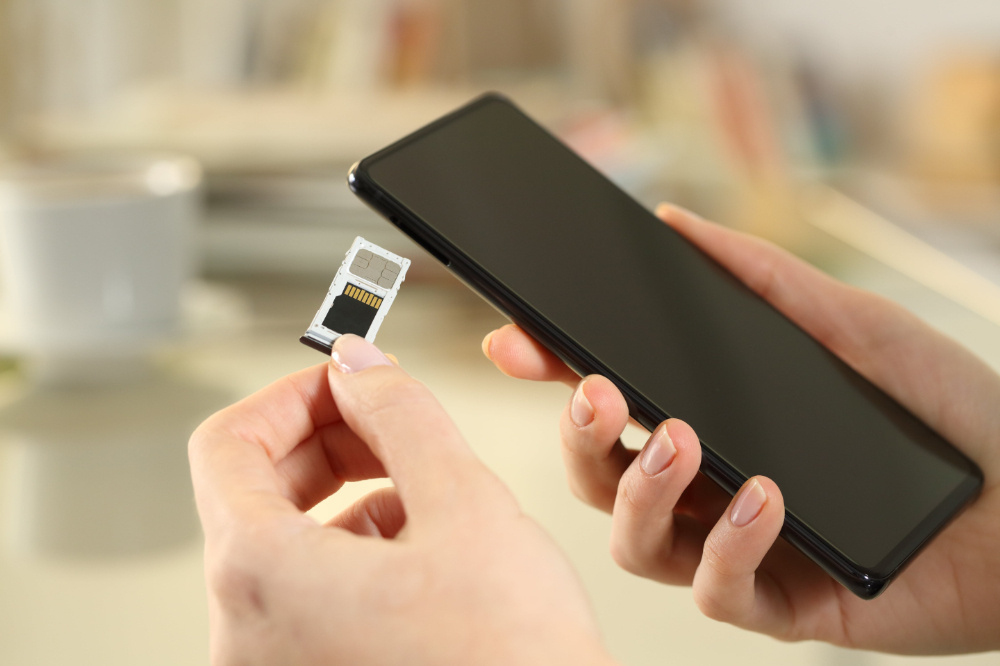
Activation steps vary depending on your device and carrier, whether using a physical prepaid SIM or an eSIM. Below is a summary of the general process.
Activating Your SIM Card
Prepaid SIM Card (Physical SIM)
- 1.Single SIM Slot Devices: If your phone only has one SIM slot, power off your phone, remove your current SIM, and insert the new SIM card. Turn the phone back on, and it should detect the network automatically.
- 2.Dual SIM Devices: Power off your phone before inserting the new SIM. After turning it on, go to your network settings to configure your device for the new SIM. Some providers require you to enter APN settings manually, so follow the setup guide provided with your SIM card.
eSIM (Digital SIM)
- 1.Check Compatibility: Ensure your smartphone supports eSIM (e.g., iPhone 11 and newer, Google Pixel 4 and newer, Samsung Galaxy S20 and newer).
- 2.Apply Online: Most eSIM providers require online registration before issuing a QR code.
- 3.Activate Your eSIM: Scan the QR code and follow the on-screen instructions. After activation, your device will connect to the network, allowing you to use data immediately.
SIM Lock & Device Compatibility
To use a Japanese SIM card, your phone must be unlocked. You can check this by inserting a SIM card from a different carrier—if your device asks for an unlock code or fails to connect, it is likely carrier-locked. In this case, you’ll need to contact your mobile provider to request an unlock before your trip.
If your phone is locked or incompatible, you still have options. Renting a pocket WiFi device is a convenient alternative, especially for those who need a stable connection for multiple devices. Another option is purchasing a travel-friendly unlocked phone from electronics stores in Japan, which can be useful for frequent travelers.
For those considering an eSIM, checking whether your phone supports dual SIM and eSIM activation is essential. Some budget models and older smartphones may not be compatible, so verify this in your device settings before purchasing an eSIM.
Alternatives if You Can’t Buy a SIM at the Airport
If you can’t purchase a SIM card at the airport, there are other ways to stay connected in Japan:
- ●Ordering Online: Providers like NINJA WiFi offer delivery to hotels or pickup locations.
- ●Purchasing a SIM in the City: Electronics stores like Bic Camera and Yodobashi Camera sell prepaid SIMs. Some 7-Eleven and Lawson stores also carry them.
- ●Use Free WiFi: Many cafes, hotels, and train stations offer free WiFi, though connections are limited.
- ●Renting Pocket WiFi: Services like NINJA WiFi provide unlimited data and can be reserved online.
Conclusion
Buying a SIM card at a Japanese airport is a convenient way to get online immediately. Travelers can choose between prepaid SIMs and eSIMs based on their device and preferences.
Airports like Narita, Haneda, and Kansai International have dedicated counters, vending machines, and convenience stores for easy access.
However, availability may vary—some stores have limited hours, vending machines can run out of stock, and smaller airports may offer fewer options.
Planning is, therefore, key—with NINJA WiFi, you can quickly secure your SIM card or WiFi device ahead of time, guaranteeing smooth and reliable internet access from the moment you land.