




Best Things to Do in Japan: A 50-Item Japan Bucket List (and When You’ll Need Wi-Fi)
Planning a trip to Japan often begins with big ideas: neon energy, quiet temples, unforgettable food, and cultural moments that feel unlike anywhere else in the world. Perhaps you already have a carefully built Japan bucket list, or perhaps you’re still sorting through the best things to do in Japan and deciding what belongs on yours.
One detail to not overlook, however, is connectivity. You’ll need internet access for maps and messages, as you probably already know, but also for many other daily activities. Numerous activities in Japan require a stable connection, which is exactly what we’ll see in this guide.
50 Things to Do in Japan & Real-World Wi-Fi Tips
This section is organized into five categories, each featuring 10 activities, for a total of 50 activities in Japan. Along the way, we’ll highlight practical ways internet access helps, along with realistic offline alternatives when available.
Iconic Sightseeing & City Walks
- Tokyo Observation Decks (Tokyo Skytree, Tokyo Tower)
- Shibuya Crossing (Best appreciated from Shibuya Sky or cafés)
- Historic Shrines and Temples (Meiji Shrine, Senso-ji)
- Japanese Gardens (Rikugien, Kenrokuen)
- Castle Towns (Hagi, Hikone)
- Scenic Neighborhoods (Yanaka, Daikanyama)
- Day Trips From Major Cities
- Onsen Towns (Hakone, Kinosaki Onsen)
- Urban Waterfront Areas (Odaiba, Minato Mirai)
- Local Observation Hills or Towers
Across all of these experiences, having internet access helps in similar, practical ways: checking opening hours, confirming ticket or fee details, navigating unfamiliar streets, and adjusting plans around weather or transit changes. If you choose to stay offline, you can still manage well by preparing in advance—downloading maps, carrying printed timetables, using hotel brochures, and asking station staff or visitor centers for guidance. The difference is flexibility: online access allows for quick adjustments on the move, while offline travel works best with a bit more planning and fixed schedules.
Japanese Food Experiences You Shouldn’t Miss
- Sushi Counters (Neighborhood omakase counters, Toyosu Market sushi bars)
- Ramen Shops (Tonkotsu specialists, ticket-based local shops)
- Izakaya Hopping (Shinjuku Omoide Yokocho, local station-side alleys)
- Street Food Markets (Nishiki-dori, festival yatai stalls)
- Depachika (Food Basements) (Isetan Shinjuku, Mitsukoshi food halls)
- Cafés and Themed Cafés (Specialty kissaten, character cafés in major cities)
- Food Tours (Neighborhood tasting walks, night food tours)
- Cooking Classes (Home-style Japanese cooking studios, market-to-table classes)
- Sake Breweries (Regional kura with tastings, brewery museums)
- Local Dessert and Snack Shops (Wagashi specialists, long-established sweets shops)
As you enjoy Japan’s food scene, online access simplifies menu translation, checking opening hours or last orders, using cashless payment apps, and finding well-reviewed spots while already on the move. Traveling offline is still workable with screenshot menus, phrasebooks, and cash, but flexibility drops when plans change mid-day. A personal connection makes real-time translation and payment easier without relying on café or restaurant Wi-Fi.
Culture, Traditions & Hands-On Experiences
- Tea Ceremonies (Traditional tea houses, cultural experience centers)
- Kimono Rental (Historic district rental shops, photo-focused studios)
- Sumo-Related Experiences (Sumo stables, exhibition matches, cultural shows)
- Traditional Performances (Kabuki theaters, noh or folk dance stages)
- Craft Workshops (Pottery studios, indigo dyeing ateliers)
- Seasonal Events (Cherry blossom viewing, autumn foliage illuminations)
- Local Festivals (Summer matsuri, shrine-based celebrations)
- Cultural Walking Tours (Historic district walks, local storytelling tours)
- Historic Town Museums (Preserved merchant houses, regional history museums)
- Religious or Cultural Observances (Shrine rituals, temple ceremonies)
Cultural experiences often involve reservations, QR codes, seasonal timing, and unfamiliar etiquette. Online access helps confirm details and translate instructions on the spot, while offline travelers rely on printed reservations and visitor center schedules. Both approaches work, but consistent access gives you one less thing to worry about, especially when plans shift or clarification is needed quickly.
Shopping & Entertainment Across Japan
- Major Shopping Districts (Tenjin in Fukuoka; Motomachi in Kobe)
- Tax-Free Shopping (Isetan Shinjuku tax-free counters; Yodobashi Camera electronics stores)
- Anime and Gaming Areas (Den Den Town in Osaka; Akihabara in Tokyo)
- Karaoke (Karaoke Kan; Joysound locations in regional cities)
- Night Views (Umeda Sky Building Floating Garden; Mount Hakodate Ropeway)
- Exhibitions (Mori Art Museum special exhibitions; traveling anime exhibitions at PARCO)
- Interactive Museums (Miraikan in Odaiba; Nagoya City Science Museum)
- Pop-Up Events (Shibuya PARCO pop-up floors; seasonal pop-ups at department stores)
- Live Entertainment (Zepp concert halls; traditional theaters in regional cities)
- Arcades and Game Centers (Round1 multi-floor arcades; smaller neighborhood game centers)
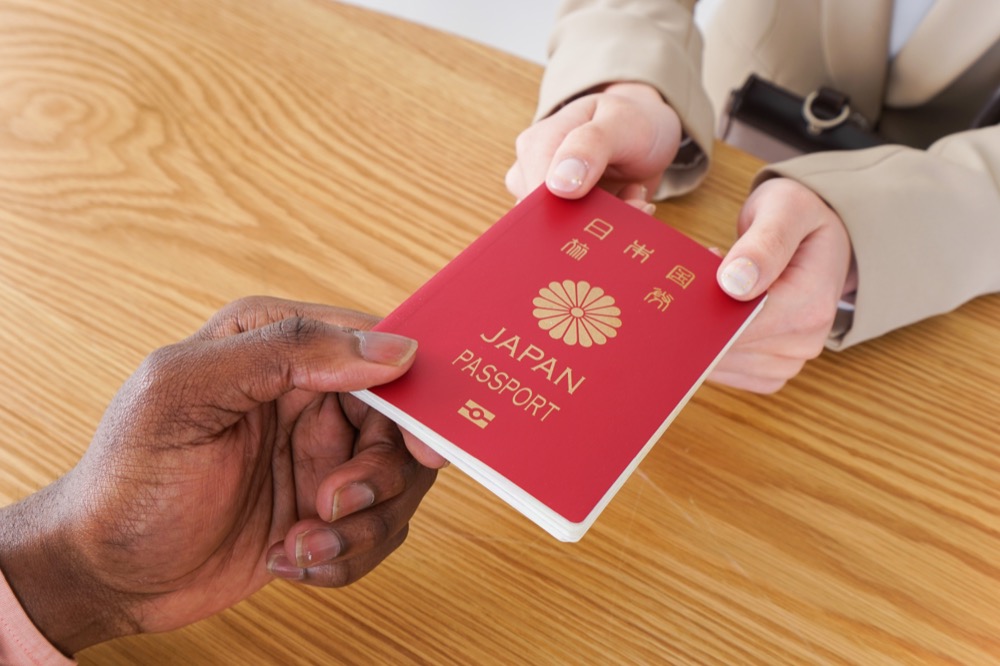
For shopping and entertainment, quick access to tax-free QR codes, price comparisons, event schedules, mobile payments, and real-time sharing is always welcome. Otherwise, offline alternatives include physical passports for tax-free purchases and printed tickets, both of which offer less flexibility.
Transportation, Nature & Outdoor Adventures
- Riding the Shinkansen Bullet Train (Tokaido Shinkansen, regional bullet train lines)
- Local Trains and Buses (Enoden Line along the Shonan coast, rural bus routes)
- Hiking Trails (Kumano Kodo Nakahechi route; Mount Misen hiking trails on Miyajima)
- Cycling Routes (Shimanami Kaido island-hopping route; Tsukuba Rinrin Road)
- Island Trips (Teshima in the Seto Inland Sea; Ojika Island in Nagasaki Prefecture)
- National Parks (Daisetsuzan National Park in Hokkaido; Kirishima-Kinkowan National Park)
- Scenic Train Lines (Tadami Line through Fukushima; Gono Line along the Sea of Japan)
- Rural Towns (Ouchi-juku in Fukushima)
- Outdoor Viewpoints (Mount Sarakura in Kitakyushu; Mount Inasa in Nagasaki)
- Seasonal Outdoor Activities (Autumn foliage in Naruko Gorge)
Transportation and outdoor travel are easier with access to live transit updates, rural route planning, and up-to-date weather information. Traveling offline is still possible with preloaded apps and paper tickets, but adapting plans takes longer once conditions change. Beyond major cities, where free Wi-Fi becomes scarce, personal connectivity proves especially valuable.
Getting Lost in Japan: Why Wandering is Part of the Experience (And When Wi-Fi Still Helps)

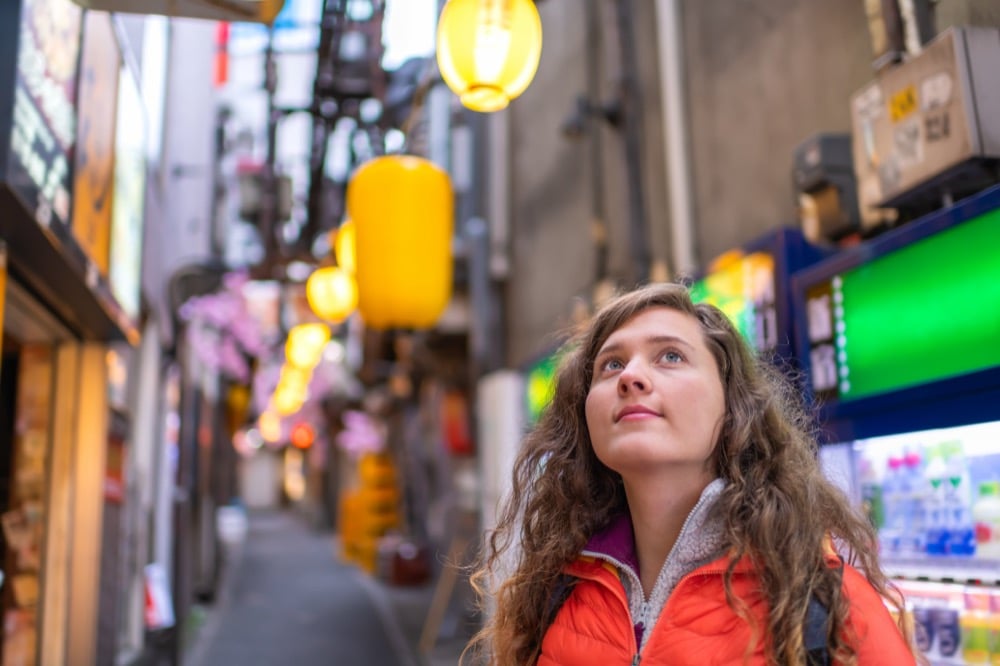
Some of the most memorable moments in Japan happen without a fixed plan. Wandering side streets, following a quiet train line, or turning down an unmarked alley often reveals a side of the country that never appears on an itinerary.
It also helps to understand that the way people in Japan talk about connectivity is slightly different from how English speakers do. In everyday Japanese conversation, Wi-Fi “ワイファイ” usually refers to the connection method itself, such as a router, a hotspot, or a café network. “ネット” is used to mean the internet in a broader sense, while 5G or 4G clearly refers to mobile data. These terms are not interchangeable, which is why a place may say Wi-Fi is unavailable even though mobile data works perfectly, or vice versa. Knowing this distinction can prevent confusion when asking for directions, connectivity, or help.
Why Japan is One of the Safest Places to Explore Freely
Japan’s cities and towns are unusually well-suited to unstructured exploration. Clear street signage, orderly neighborhoods, and an extremely low rate of street crime make it easy to walk without constant vigilance. Even in large cities, streets remain well-lit at night, and train stations are staffed and clearly labeled.
Wandering often leads to small but meaningful discoveries: a family-run café with a handwritten menu, a neighborhood shrine tucked between apartment buildings, or a bakery serving customers who clearly come every morning. Outside major tourist spots, residents are generally willing to help when someone looks lost, even if communication relies on gestures or a few shared words. The environment encourages curiosity rather than caution.
Balancing Curiosity with Practical Connectivity
Letting curiosity guide the day does not equate abandoning practical tools altogether. Maps, transit information, and basic translation act as reliable backups when a walk stretches longer than expected or a train line branches unexpectedly. Mobile internet works well as a safety net: available when needed, invisible when it is not.
Offline wandering can work well with preparation, such as downloaded maps or written directions, but it will work even better with instantaneous reconnection. Knowing that directions, schedules, or translations are always within reach allows you to explore without overplanning or second-guessing every turn. Services like NINJA WiFi support that balance, offering steady connectivity that encourages exploration while removing the anxiety of being truly lost.
Choosing the Right Internet Option for Your Japan Trip

The way you stay connected shapes how easily you move between neighborhoods, activities, and regions. Below, we outline the different connectivity options you’ll have in Japan.
Pocket Wi-Fi: Best for Groups and Experience-Heavy Trips
Pocket Wi-Fi suits trips built around constant movement and shared experiences. One device connects multiple phones, tablets, and laptops at once, making it practical for couples, families, or friends traveling together. Setup is simple—power on the device and connect, so time stays focused on activities rather than troubleshooting settings.
Flexible logistics also matter on longer itineraries: with NINJA WiFi, pocket Wi-Fi can be picked up in one region and returned in another, supporting routes that run from Tokyo to Kansai or stretch from Hokkaido down to Okinawa. Even after high-speed daily data limits are reached, fallback speeds remain usable for maps, messages, and reservations, which helps keep days running smoothly. Plus, flexible plans allow travelers to match coverage to trip length without micromanaging usage. For experience-heavy itineraries filled with sightseeing, food stops, and spontaneous detours, pocket Wi-Fi provides consistent coverage for everyone.
eSIM, SIM Cards, and Roaming: When They Make Sense
eSIMs appeal to tourists who value light packing and minimal hardware, especially solo travelers. Activation is straightforward, but compatibility depends on your device model and region, so check your phone before you activate. Physical SIM cards work well for solo travelers, though SIM swapping might feel inconvenient if your phone doesn’t support dual SIMs.
International roaming remains the simplest option on paper, but higher costs and restrictive data caps often limit flexibility once daily use increases; it’s best used solely as a backup.
Conclusion
Japan offers an unmatched range of experiences, moving seamlessly from intimate food counters and centuries-old traditions to neon-lit cityscapes and remote natural escapes. The best things to do in Japan often unfold between planned moments and last-minute discoveries where quiet, reliable connectivity works behind the scenes.
Reliable internet reduces stress by keeping directions, reservations, and updates within reach. Flexible access lets plans shift naturally when weather changes, lines run long, or a local recommendation steers the day in a better direction. Spontaneous moments feel easier, not constrained, when maps load quickly, translations appear on demand, and transit updates arrive without delay.
Planning the experiences should always come first. Ensuring your connectivity supports those choices will help keep your Japan bucket list focused on memories—measured in tastes, places, and encounters—rather than logistics.