




Does the Bullet Train (Shinkansen) Have Wi-Fi? What to Know Before Your Trip

Japan’s bullet trains, more commonly known as Shinkansen, offer free Wi-Fi, and for many travelers, that detail alone brings a sense of reassurance before boarding a high-speed train. Availability, however, is only part of the story. While Wi-Fi is present on most Shinkansen services, performance varies in ways that can surprise even experienced travelers.
Staying connected on the bullet train matters for practical reasons: navigation apps, messaging, and entertainment are all part of long rides between major cities. The expectation is often a smooth, uninterrupted connection, especially in a country known for advanced infrastructure. Still, in reality, Shinkansen Wi-Fi works best as a convenience rather than as a dependable, always-on service.
Understanding what the onboard Wi-Fi handles well, where it tends to struggle, and how it compares to mobile data or pocket Wi-Fi makes a noticeable difference in the journey. In this article, we’ll give you a realistic view to make it easier for you to decide whether a backup connection is worth having before the train doors close.
Do All Shinkansen in Japan Have Wi-Fi?
Free Wi-Fi has become a standard feature on Japan’s Shinkansen, but uniform availability does not translate into uniform performance. Let’s take a closer look at onboard Wi-Fi in Japan.
Free Wi-Fi Availability on Japan’s Shinkansen
Most Shinkansen services now offer free Wi-Fi across all cars, including standard and premium seating. For travelers, access is typically automatic once onboard, requiring only a quick browser login. Planning a route around Wi-Fi availability is rarely necessary, as the service has been rolled out widely across Japan’s high-speed rail network.
However, keep in mind that Wi-Fi on the Shinkansen functions as a baseline amenity rather than a premium feature. It is provided to offer basic connectivity for all passengers, not as a defining advantage of one train or seating class over another. As a result, the presence of Wi-Fi should be seen as expected rather than exceptional.
What “Free Wi-Fi” Really Implies on the Shinkansen
Shinkansen Wi-Fi operates as a shared connection among hundreds of passengers traveling simultaneously. Bandwidth is divided across the entire train, and usage spikes quickly during busy travel hours. No service-level guarantees exist for speed, stability, or continuous access, even on shorter routes—the point is that the Shinkansen Wi-Fi system is designed for convenience rather than sustained performance.
Why Wi-Fi Access Alone Doesn’t Ensure Stability
High-speed travel places inherent limits on wireless connectivity. Shinkansen trains move at speeds exceeding 300 kilometers per hour, requiring constant handoffs between mobile networks along the route; naturally, each transition introduces the possibility of brief slowdowns or disconnections.
Geography also plays a critical role: Japan’s rail network crosses dense urban areas, mountainous regions, and long tunnel sections, all of which affect signal consistency. Wi-Fi availability, therefore, does not guarantee a stable connection from departure to arrival.
Why Shinkansen Wi-Fi and Mobile Signals Struggle in Japan’s Tunnels

Connectivity issues on the Shinkansen are not the result of outdated technology or poor planning; rather, geography and engineering choices play a far greater role. If you’re curious, below is some context on why Wi-Fi and mobile signals behave the way they do on Japan’s bullet trains.
Japan’s Mountainous Geography and High-Speed Rail Design
Roughly three-quarters of Japan’s landmass is mountainous, leaving limited flat terrain for cities, infrastructure, and transportation corridors. The areas suitable for surface-level rail lines are often densely populated, tightly developed, or environmentally protected. Designing a high-speed rail network in such conditions requires careful trade-offs.
Shinkansen routes prioritize straight alignments, gentle curves, and consistent gradients to maintain speed and safety; detouring around mountains or following winding terrain would dramatically reduce efficiency. As a result, tunnels become the most practical engineering solution, allowing trains to pass directly through natural obstacles rather than around them.
Why Shinkansen Routes Use So Many Tunnels
Tunnel usage on the Shinkansen ranges from short passages beneath urban neighborhoods to extended tunnels cutting through mountain ranges and, in some cases, running under the sea. If you ride the Shinkansen in Japan, you’ll soon notice that many routes include dozens of tunnels in a single journey, with some stretching for several minutes of continuous travel.
Speed consistency matters more than surface routing in Japan’s high-speed rail philosophy. Maintaining predictable travel times and minimizing vibration take precedence over avoiding underground sections. In flatter countries, rail networks can often follow surface-level paths for long distances, allowing wireless signals to recover gradually, but Japan’s geography leaves far less room for that approach.
How Tunnels Affect Wi-Fi and Mobile Reception
Wireless signals weaken significantly inside tunnels, and in many cases, drop entirely. Shinkansen Wi-Fi systems depend on external mobile networks along the route, so when those networks lose line-of-sight access, connectivity is interrupted. Rather than slowing down smoothly, connections tend to cut off abruptly and reconnect once the train exits the tunnel.
Even strong mobile data plans experience the same limitations: signal loss occurs at the physical level, beyond what carriers or devices can compensate for. Frequent disconnections, not gradual speed drops, define the experience in tunnel-heavy sections, shaping the stop-and-start pattern many travelers notice when using Wi-Fi or mobile data on the Shinkansen.
How Shinkansen Punctuality Changes Connectivity Expectations
Another factor that amplifies the impact of brief connectivity loss is how precisely the Shinkansen operates. While many train systems report delays in minutes, the Shinkansen measures punctuality in seconds. An arrival that is 30 to 60 seconds late is logged internally as a delay, and annual average delays often remain under one minute even when weather and unexpected disruptions are included.
When railway operators issue apologies, it is usually because a strict operational target was genuinely missed. In that context, losing Wi-Fi inside a tunnel—even briefly—can mean missing real-time status updates or platform information. For that reason, many locals rely on mobile data rather than on onboard or public Wi-Fi when checking live train information, especially during transfers or when connections are tight.
How Good is Shinkansen Wi-Fi for Common Travel and Work Use Cases?

Whether Shinkansen Wi-Fi feels sufficient or frustrating depends largely on how it is used. In this section, we look at common activities individually to offer you a clearer picture rather than judging the connection as simply “good” or “bad.”
Messaging, Email, and Light Browsing
Basic tasks work reliably, but in short bursts. Sending messages, checking email, or looking up information usually succeeds between tunnel sections and during periods of lighter network congestion. Pages may take a moment to load, but simple text-based content presents few issues.
The experience improves when tasks are brief and flexible. The longer the email and the more tabs you have open, the higher the chance of interruption.
Streaming, Social Media, and Entertainment
Video streaming places far greater demands on the connection than simple messaging. Streams may start at low resolution, pause to buffer, or disconnect entirely as the train passes through tunnels.
Audio streaming and social media scrolling are more forgiving: music services can buffer ahead, and image-heavy feeds tend to recover quickly after brief drops. For that reason, pre-downloading movies, shows, podcasts, and playlists remains advised, especially among frequent train travelers.
Remote Work, VPNs, and Video Calls
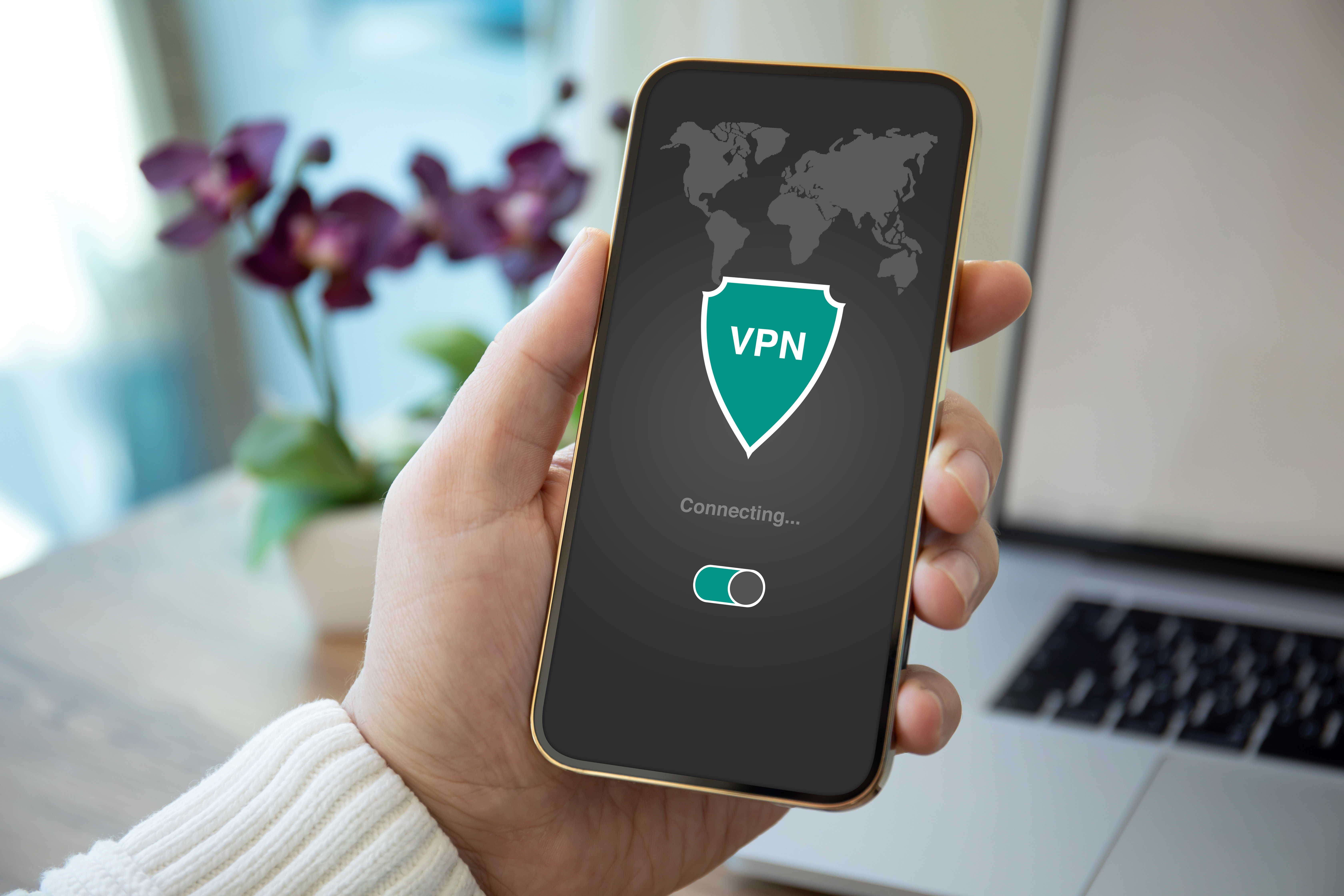
As you might have guessed, remote work presents the greatest challenge for Shinkansen Wi-Fi. VPN connections often establish successfully but are sensitive to signal loss, leading to repeated reconnections. Cloud-based tools may refresh unexpectedly, interrupting document edits or uploads.
And when it comes to video calls, they are the least reliable activity onboard. Tunnel interruptions cause frozen video, dropped audio, or sudden disconnections that disrupt meetings, which is why we recommend avoiding time-sensitive calls, large file transfers, and live presentations during the ride.
Do You Need Mobile Data or Pocket Wi-Fi in Japan?
Free Wi-Fi on the Shinkansen covers basic needs, but it rarely replaces a dedicated connection for the entire trip. Let’s see what your alternative options are.
When Shinkansen Wi-Fi Alone is Enough
Shinkansen Wi-Fi works well for short journeys between nearby cities, where interruptions are brief and manageable. Casual communication, such as messaging friends, checking email, or confirming reservations, typically fits within the connection's capacity.
Shinkansen Wi-Fi vs Mobile Data (SIM & eSIM)
Mobile data offers greater stability outside tunnel sections and tends to recover more quickly after signal loss. Pages reload faster, and apps reconnect with less interruption, making mobile data a more dependable option for continuous use than onboard Wi-Fi. With your own eSIM or SIM card, your connection will also be private, secure, and immediate (no login required).
Shinkansen Wi-Fi vs Pocket Wi-Fi
Pocket Wi-Fi ultimately provides the most consistent experience for travelers who need reliable connectivity. Dedicated hardware handles reconnections smoothly, and speeds remain usable even when multiple devices connect at once. For remote work, cloud access, or larger uploads, pocket Wi-Fi offers a noticeable improvement.
Support for multiple devices makes pocket Wi-Fi especially practical for groups or longer trips, where keeping everyone connected on a single plan simplifies travel. With NINJA WiFi, pickup and return options at major airports, and hotel delivery, it's easy to get connected soon after arrival without extra planning. With a wide range of plans available, many travelers end up treating pocket Wi-Fi as their main connection across Japan, using Shinkansen Wi-Fi only as a helpful fallback when it works.
Conclusion
Japan’s Shinkansen does provide free Wi-Fi, and access is now common enough that most travelers will encounter it without any special planning. Availability, however, is only part of the experience. The real limitation lies in consistency, shaped by high speeds, shared bandwidth, and the geography the trains must navigate.
Mountainous terrain and tunnel-heavy routes explain much of the frustration passengers feel when connections drop unexpectedly or struggle to stay stable. Those interruptions are neither unusual nor avoidable, even with modern infrastructure, which is why Shinkansen Wi-Fi works best as a convenience for brief tasks rather than a connection designed to carry the full weight of work, streaming, or long online sessions.
If you need reliable access for navigation, communication, and especially work, planning a backup option, such as mobile data or a pocket Wi-Fi, should benefit you. With the right expectations in place, onboard Wi-Fi becomes a helpful extra rather than a source of stress.