




Luggage Forwarding in Japan: How to Use Luggage Delivery Services for Stress-Free Travel in Japan
When traveling to Japan, there are two immediate challenges: staying connected and managing luggage. Large airports, complex train systems, and crowded stations can quickly turn a simple transfer into a stressful experience.
Luggage forwarding in Japan offers a practical solution by allowing you to send your suitcase directly to your hotel. Pairing that with reliable internet access ensures you can locate counters, complete the process smoothly, and start your trip without delays.
Luggage Forwarding in Japan: Solve the “Airport to Hotel” Problem in 30 Minutes
Arriving in Japan often presents an immediate logistical challenge: getting from the airport to your hotel while managing large luggage. Train systems are efficient but not always suitcase-friendly, especially after a long flight. Luggage forwarding offers a simple alternative that allows you to avoid these obstacles and begin your trip smoothly within minutes of landing.
The Common Travel Problem: Carrying Suitcases Through Stations and Crowds
After arriving at the airport, your trip often involves a long journey from the airport to your hotel, and that transfer can be more challenging than expected. Major airports such as Narita and Kansai are located outside city centers, requiring multiple train transfers to reach your destination.
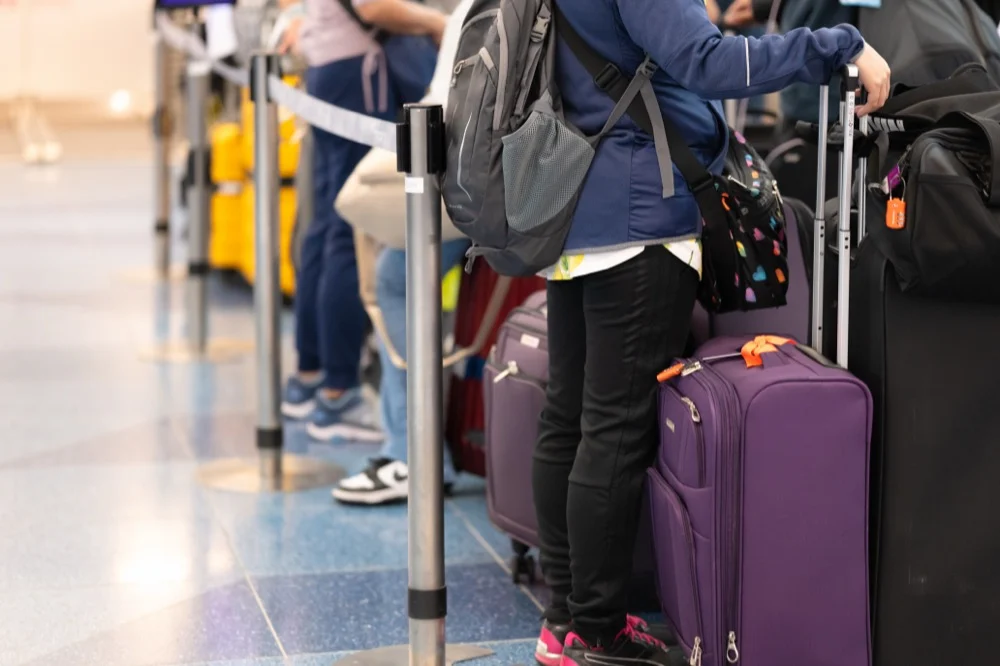
Large suitcases quickly become a burden in this process. Many stations have stairs or long underground corridors, and elevators are not always conveniently located. During peak hours, trains can become crowded, making it difficult to move with bulky luggage without disrupting other passengers.
Time loss is another factor. Navigating stations, waiting for elevators, and managing luggage slow down your first day, reducing the time available for sightseeing or dining.
Takkyubin in Japan: Send Your Luggage Instead of Carrying It
Japan offers a highly efficient solution through a service known as takkyubin, a nationwide luggage forwarding system designed for convenience and reliability.
Instead of carrying your suitcase across multiple trains, you can send your luggage directly from the airport to your hotel. Delivery services handle transport securely, and most hotels are prepared to receive and store luggage before check-in.
Luggage forwarding has become a standard part of domestic travel in Japan. Business travelers and residents regularly use the service, and the infrastructure at airports and hotels is designed to support it. As a result, the process is streamlined, predictable, and widely accessible.
Your First 30 Minutes in Japan: Connect Wi-Fi and Send Your Bags
The first 30 minutes after arrival can define how smoothly your trip begins. A simple sequence helps eliminate stress and allows you to start exploring immediately.
Step 1: Connect to Wi-Fi
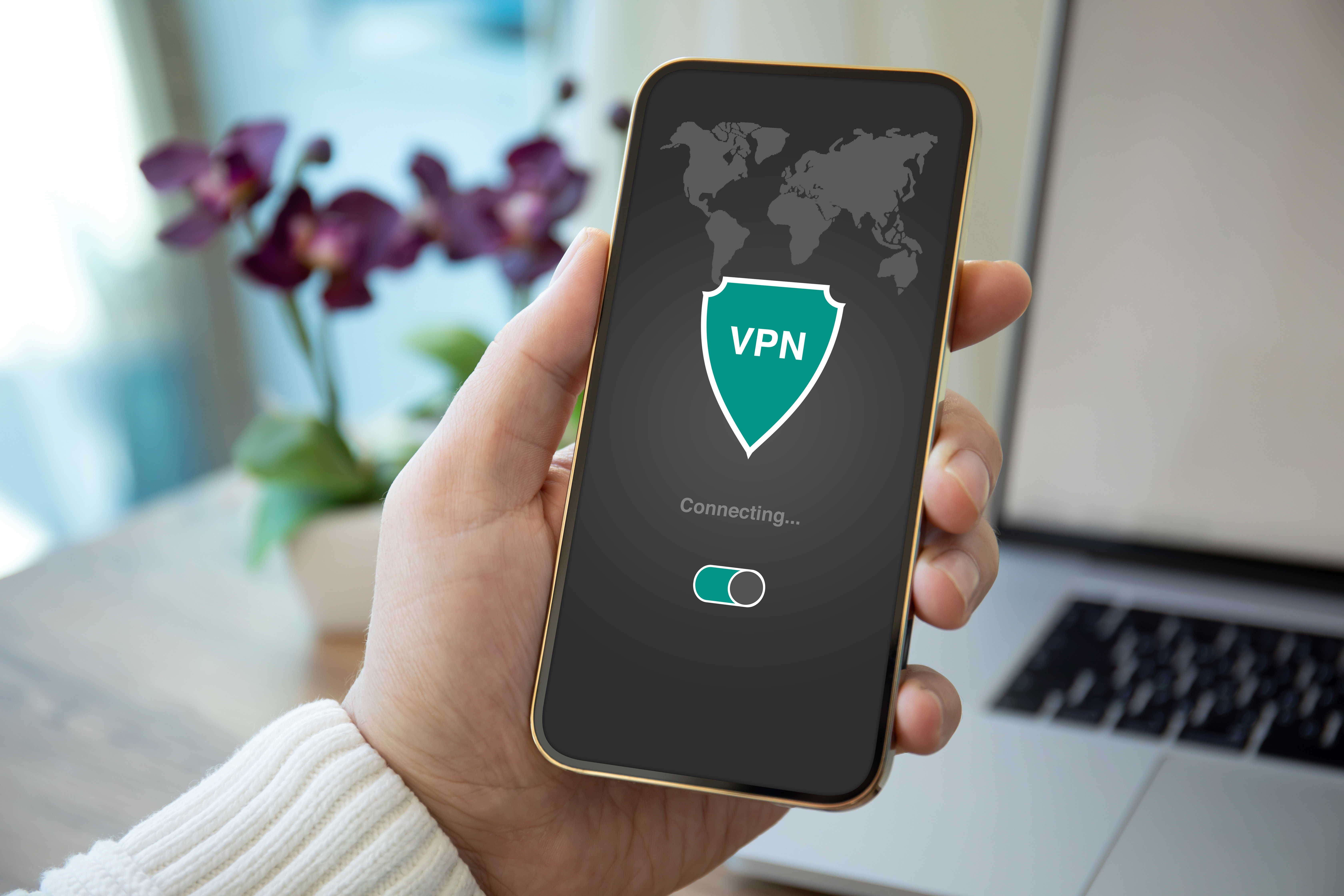
Reliable Wi-Fi allows you to access maps, confirm your hotel address, and locate luggage forwarding counters within large airport terminals.
Step 2: Find a luggage forwarding counter
Airports such as Narita, Haneda, and Kansai have multiple counters operated by major delivery companies. Navigation apps help you identify the nearest counter without unnecessary walking.
Step 3: Start your trip hands-free
Once your luggage is sent, you can move freely through stations, board trains without difficulty, and begin sightseeing without delay.
Luggage Forwarding in Japan: What is Takkyubin and How It Works

Understanding how luggage forwarding works in Japan helps you use the service efficiently from the start of your trip. Takkyubin is not a niche offering but a nationwide system designed for reliability, speed, and ease of use. Knowing the basic structure allows you to plan transfers, deliveries, and travel days with confidence.
Takkyubin Explained: Meaning, Pronunciation, and Concept
Takkyubin 宅急便, pronounced “TAK-KYU-BIN,” refers to Japan’s door-to-door delivery service. The system is known for precision, speed, and reliability, with coverage extending across the entire country.
Delivery companies operate extensive logistics networks that allow luggage to be transported safely between airports, hotels, and private residences. Standard delivery typically takes one day between major cities, with clearly defined time windows.
3 Main Delivery Patterns Travelers Use
Airport → Hotel
Send your luggage immediately upon arrival, and travel to your hotel without carrying bags. Luggage is usually delivered later the same day or the following day, depending on timing.
Hotel → Next Hotel (city-to-city)
Forward luggage between cities such as Tokyo and Kyoto. Travel between destinations becomes significantly easier without large suitcases on trains.
Hotel → Airport
Ship luggage to the airport before departure. The final travel day is more flexible, allowing for sightseeing without having to manage bags.
Why Luggage Forwarding is Normal in Japan
Luggage forwarding is widely integrated into daily life in Japan. Local travelers frequently use the service for business trips, seasonal travel, and airport transfers.
Hotels, airports, and convenience stores are equipped to handle shipments, and staff are familiar with the process. Standardization across providers ensures consistent service quality, making luggage forwarding a reliable option for travelers.
The Hidden Experience of Using Luggage Forwarding in Japan
Beyond convenience and efficiency, using luggage forwarding in Japan offers a few subtle experiences many travelers don’t anticipate.
One of the most noticeable is the brief psychological adjustment that happens after sending your luggage ahead. For many travelers, it feels unusual to voluntarily separate from their belongings. After dropping off a suitcase, it’s common to double-check your smaller bag more often or mentally run through what you packed. Even though services like takkyubin are extremely reliable, that initial moment of uncertainty is a natural reaction—one that typically fades quickly as you begin to enjoy traveling hands-free.
Luggage forwarding can also subtly shape your daily schedule. Instead of moving entirely at your own pace, you may start planning your mornings around drop-off deadlines and your evenings around delivery windows. In many hotels across Japan, especially in cities like Tokyo, you’ll notice a quiet routine forming in the morning—guests gathering near the front desk, filling out shipping forms, weighing bags, and confirming destinations with staff. It’s a shared rhythm among travelers that unfolds almost instinctively, even though no one is directly coordinating with one another.
Luggage Forwarding in Japan: Why Travelers Should Use It
Luggage forwarding is not only about convenience; it also directly improves your travel experience each day. Removing the need to carry suitcases changes how you move through cities, use transportation, and plan your schedule. The following scenarios illustrate how the service fits into real travel situations.
Scenario 1: Arriving at the Airport and Exploring Immediately
After a long international flight, carrying luggage through multiple train transfers can be exhausting. Sending your suitcase directly to your hotel allows you to begin sightseeing immediately.
Popular areas such as Shinjuku or Shibuya are easier to navigate without heavy bags, especially when moving through busy stations or crowded streets.
Scenario 2: Checkout Day Without Carrying Bags
Hotel checkout times are typically around 10:00 or 11:00 AM, while flights often depart later in the day. Carrying luggage during the final hours of your trip limits flexibility.
Shipping luggage to the airport allows you to continue exploring, visit restaurants, or shop without interruption. Luggage can then be collected at the airport before departure.
Scenario 3: Traveling Between Cities Like Tokyo to Kyoto
High-speed travel on the Shinkansen is efficient, but luggage space is limited. Oversized luggage may require reservations for designated storage areas, and availability may be limited.
Forwarding luggage between cities eliminates the need to manage suitcases on trains. Travel becomes faster, more comfortable, and easier to navigate, particularly during busy travel seasons.
Why Suitcases on Trains Can Be Difficult
Travel by train in Japan is designed for efficiency, and large luggage can pose challenges.
- Limited luggage space on trains
Overhead racks are designed for smaller bags, and designated storage areas are limited.
- Rush hour congestion
Trains in major cities become extremely crowded, making it difficult to move with suitcases and sometimes discouraging travel.
- Etiquette considerations
Japanese travel etiquette emphasizes minimizing inconvenience to others. Large luggage in crowded spaces can disrupt passenger flow and comfort.
Using luggage forwarding helps you avoid these challenges entirely, allowing you to travel in ways that align with local norms while improving overall convenience.
Luggage Forwarding in Japan: Step-by-Step Guide to Sending Your Bags
Sending luggage in Japan is designed to be simple, even for first-time users. Airport counters and hotel staff are familiar with assisting travelers, and the process follows a consistent structure across providers. Preparing basic information in advance allows you to complete the process efficiently and avoid delays after arrival.
Step 1: Use Your Phone to Find a Counter at the Airport
Large airports such as Narita, Haneda, and Kansai have multiple terminals and long walking distances between them. Using a map app helps you quickly locate the nearest luggage forwarding counter without unnecessary backtracking.
Search for delivery counters operated by major providers such as Yamato or Sagawa. Clear signage is usually available, but navigation apps reduce time spent searching, especially after a long flight.
Step 2: Fill Out the Shipping Form
At the counter, you will be asked to complete a shipping form. Most providers offer English versions, making the process accessible for international travelers.
You will need:
- Hotel name and address
- Hotel phone number
- Your name and contact details
Providing accurate hotel information ensures smooth delivery and avoids delays.
Step 3: Pay the Delivery Fee
Payment is typically accepted by cash or credit card, depending on the counter location. Pricing is based on luggage size, weight, and delivery distance.
For most standard suitcases, the process is straightforward, and staff can confirm the final cost before payment.
Step 4: Save Your Tracking Number
After payment, you will receive a tracking number. Keeping a photo or screenshot on your phone allows you to monitor delivery progress online.
Tracking systems allow you to:
- Confirm when the luggage is dispatched
- Check estimated delivery timing
- Verify arrival at your hotel before check-in
Pro Tip: Counters Are Often Near Wi-Fi Pickup Locations
In many airports, luggage forwarding counters are located in the same arrival areas as Wi-Fi pickup counters. Completing both steps in one place allows you to move efficiently from arrival procedures to transportation without unnecessary movement.
Luggage Forwarding Japan: Major Services Compared

Japan’s luggage forwarding system is supported by several major providers, each offering reliable nationwide delivery. Understanding the differences between these services helps you choose the option that best fits your travel schedule and preferences.
Yamato Transport vs Sagawa Express vs Japan Post
Yamato Transport
One of the most widely used providers, known for strong airport coverage and user-friendly services. English support and online tools are commonly available.
Sagawa Express
Another major logistics company with extensive delivery networks. Airport counters and hotel partnerships are widely available.
Japan Post
Operates through the national postal system. Coverage is extensive, including rural areas, though the service structure may differ slightly from that of private providers.
All three providers offer dependable delivery across Japan, with similar core services for standard luggage forwarding.
Comparison Table: Price, Speed, and Features
| Feature | Yamato Transport | Sagawa Express | Japan Post |
| Delivery Speed | Next-day (standard) | Next-day (standard) | Next-day (standard) |
| English Support | Available | Limited to moderate | Limited |
| Online Booking | Available | Available (limited English) | Available |
| Tracking System | Detailed tracking | Tracking available | Tracking available |
| Airport Coverage | Extensive | Extensive | Moderate |
Each provider maintains consistent delivery reliability, so selection often depends on convenience, language support, and counter location.
Luggage Forwarding in Japan: How Much Does It Cost
Luggage forwarding in Japan is generally more affordable than expected, especially given the convenience it offers. Pricing is standardized across providers, making it easy to estimate costs in advance.
Typical Price Range by Luggage Size
Pricing is based on size categories rather than weight alone.
- Carry-on size: approximately 1,000–2,000 yen
- Large suitcase: approximately 2,000–3,000 yen
Exact pricing varies slightly by provider and distance, but most travelers can expect costs within this range.
Regional Price Differences Across Japan
Delivery distance affects pricing.
- Short distances (within the same city or region) tend to be lower
- Longer routes, such as Tokyo to Kyoto, may increase the price slightly
Even for longer distances, pricing remains relatively consistent and predictable.
Same-Day Delivery Options and Extra Fees
Same-day delivery is available in select areas, typically within major cities or between nearby regions. Availability depends on drop-off time and destination.
Additional considerations include:
- Earlier cutoff times for same-day service
- Extra fees for expedited delivery
- Limited availability for long-distance routes
Planning delivery timing helps ensure that luggage arrives when needed without additional cost.
Luggage Forwarding Japan: Where to Send and Receive Luggage
Luggage forwarding in Japan is widely accessible, with multiple locations available for both sending and receiving your bags. Understanding where to use the service helps you plan your travel days more efficiently and avoid unnecessary detours.
Airport Counters at Major Airports
Major international airports offer dedicated luggage-forwarding counters in the arrival and departure areas.
- Narita Airport
Multiple counters are located in each terminal, typically near arrival halls where travelers exit customs.
- Haneda Airport
Counters are conveniently located in international terminals, often near transportation hubs.
- Kansai International Airport
Well-organized service counters are available in the main terminal, with clear signage for easy navigation.
Airport counters are ideal for sending luggage immediately after arrival or before departure.
Station Counters in Major Cities
Large train stations also provide luggage forwarding services, making it easy to send bags during city-to-city travel.
- Tokyo Station
Central hub with multiple service counters and easy access to Shinkansen lines.
- Shinjuku Station
One of the busiest stations in the world, offering convenient forwarding options within the station complex.
- Kyoto Station
Popular location for travelers moving between Kansai destinations.
Station counters are especially useful when transferring between cities without returning to your hotel.
Hotel Front Desk Services
Many hotels in Japan can arrange luggage forwarding directly from the front desk.
Hotel staff can:
- Provide shipping forms
- Confirm delivery timing
- Arrange pickup with delivery companies
Hotel-based services simplify the process, particularly for sending luggage to your next destination or the airport.
Luggage Forwarding Japan: Why Internet Access is Essential
Internet access plays a practical role in every stage of the luggage forwarding process. From locating counters to confirming delivery, a stable connection helps you complete each step efficiently and avoid confusion.
Finding Counters Quickly After Arrival
Airports in Japan are large and often divided into multiple terminals. Navigation apps help you find the nearest luggage-forwarding counter without unnecessary walking.
Digital maps are especially useful in unfamiliar environments where signage may not always be immediately visible.
Booking Online Through English Websites
Major providers such as Yamato and Sagawa offer online booking options, including English-language pages.
Online reservations allow you to:
- Pre-fill shipping details
- Reduce time spent at the counter
- Confirm service availability in advance
Internet access ensures you can complete these steps without in-person assistance.
Tracking Your Luggage in Real Time
After you send your luggage, tracking systems allow you to monitor its delivery status.
Real-time tracking helps you:
- Confirm when the luggage is in transit
- Check estimated arrival timing
- Verify delivery before reaching your hotel
Access to tracking information reduces uncertainty and allows better coordination with your travel schedule.
Using Translation Apps at the Counter
While many counters provide English support, translation apps can assist with more specific questions.
Translation tools help you:
- Confirm delivery details
- Clarify timing or restrictions
- Communicate special requests
Reliable internet access ensures smooth communication, especially in busy airport environments.
FAQ: Luggage Forwarding Japan
>>>>> gd2md-html alert: inline image link here (to images/image4.jpg). Store image on your image server and adjust path/filename/extension if necessary.
(Back to top)(Next alert)
>>>>>

Luggage forwarding in Japan is designed to be simple and reliable, but many travelers still have practical questions before using the service for the first time. The answers below address common concerns about delivery timing, availability, restrictions, and internet requirements, helping you plan with confidence.
How Long Does Luggage Forwarding Take in Japan?
Standard delivery between major cities typically takes one day. Luggage sent from an airport to a hotel in the same region may arrive later the same day or the following day, depending on drop-off time.
Can I Use Same-Day Luggage Delivery in Japan?
Same-day delivery is available in certain areas, usually within major cities or nearby regions. Availability depends on cutoff times and destination distance, and additional fees may apply.
Is There an English Booking Option Available?
Major providers offer English-language support through websites and some airport counters. Online booking systems often include English interfaces, making reservations more accessible.
What Items Cannot Be Shipped?
Restrictions typically include:
- Cash and valuables
- Fragile items without proper packaging
- Hazardous materials
Each provider may have specific guidelines, so it is recommended to confirm any restrictions in advance.
Can I Send Luggage From My Hotel to the Airport?
Many hotels can arrange luggage forwarding directly to the airport. Luggage is usually delivered to a designated airport counter for pickup before departure.
Do I Need the Internet to Use Luggage Forwarding in Japan?
Internet access is not strictly required to send luggage at a counter, but it is highly useful for navigation, booking, tracking, and communication. Reliable Wi-Fi allows you to complete the process more efficiently and with fewer uncertainties.
Luggage Forwarding Japan: Start Your Trip Hands-Free With NINJA WiFi
Starting your trip in Japan efficiently often depends on how quickly you can connect. Internet access plays a key role in navigating airports, locating luggage-forwarding counters, and managing delivery details. Using NINJA WiFi lets you handle all these steps immediately upon arrival, without relying on public Wi-Fi.
Connect Immediately After Arrival
Access to a reliable Wi-Fi connection allows you to use navigation apps to locate luggage-forwarding counters at major airports such as Narita, Haneda, and Kansai International Airport.
Airport layouts can be complex, and counters are often located in specific arrival halls.
With NINJA WiFi, you can reserve your device in advance and pick it up at the airport, allowing you to get online right away without searching for public Wi-Fi.
Book, Translate, and Track Without Stress
Luggage forwarding becomes significantly smoother when you can complete each step online.
Internet access allows you to check English-language booking options, use translation apps when communicating with counter staff, and track your luggage delivery in real time after drop-off.
Consistent connectivity helps you confirm that your luggage has arrived at your hotel before check-in.
Travel Light From Day One
Sending your luggage ahead allows you to move freely through train stations, transfers, and crowded city areas without carrying heavy suitcases.
Early access to Wi-Fi ensures you can arrange luggage delivery immediately upon arrival, allowing you to begin sightseeing or business activities without interruption.
NINJA WiFi devices can connect up to five devices, making them suitable for couples, families, or business travelers.
Connect with NINJA WiFi as soon as you land and send your luggage ahead, so you can start exploring Japan immediately without the burden of your bags.
Conclusion
Luggage forwarding in Japan transforms the travel experience by removing one of the most common sources of stress: carrying heavy suitcases through busy transit systems. With a simple process and reliable nationwide delivery, traveling between airports, hotels, and cities becomes significantly more efficient.
Combining luggage forwarding with stable internet access allows you to navigate, book, and track every step with confidence. Preparing both before arrival ensures a smoother, more flexible start to your trip in Japan.