




Traveling to Japan for the First Time: A Complete Connectivity Guide for Travelers

Traveling to Japan for the first time is undoubtedly exciting, but sometimes also unexpectedly overwhelming. Many travelers arrive eager to plan and explore the city, only to realize that even simple tasks feel different in a country where daily life runs on its own highly efficient—but unfamiliar—systems.
A few cultural and practical differences stand out right away. English is limited outside major tourist areas, making communication less intuitive. Transportation, especially in Tokyo, can feel complex at first, with multiple subway lines, JR trains, and private railways intersecting underground. Payments also work differently than many visitors expect, with QR codes, digital tickets, and cashless systems commonly used for restaurants, transit, and attractions.
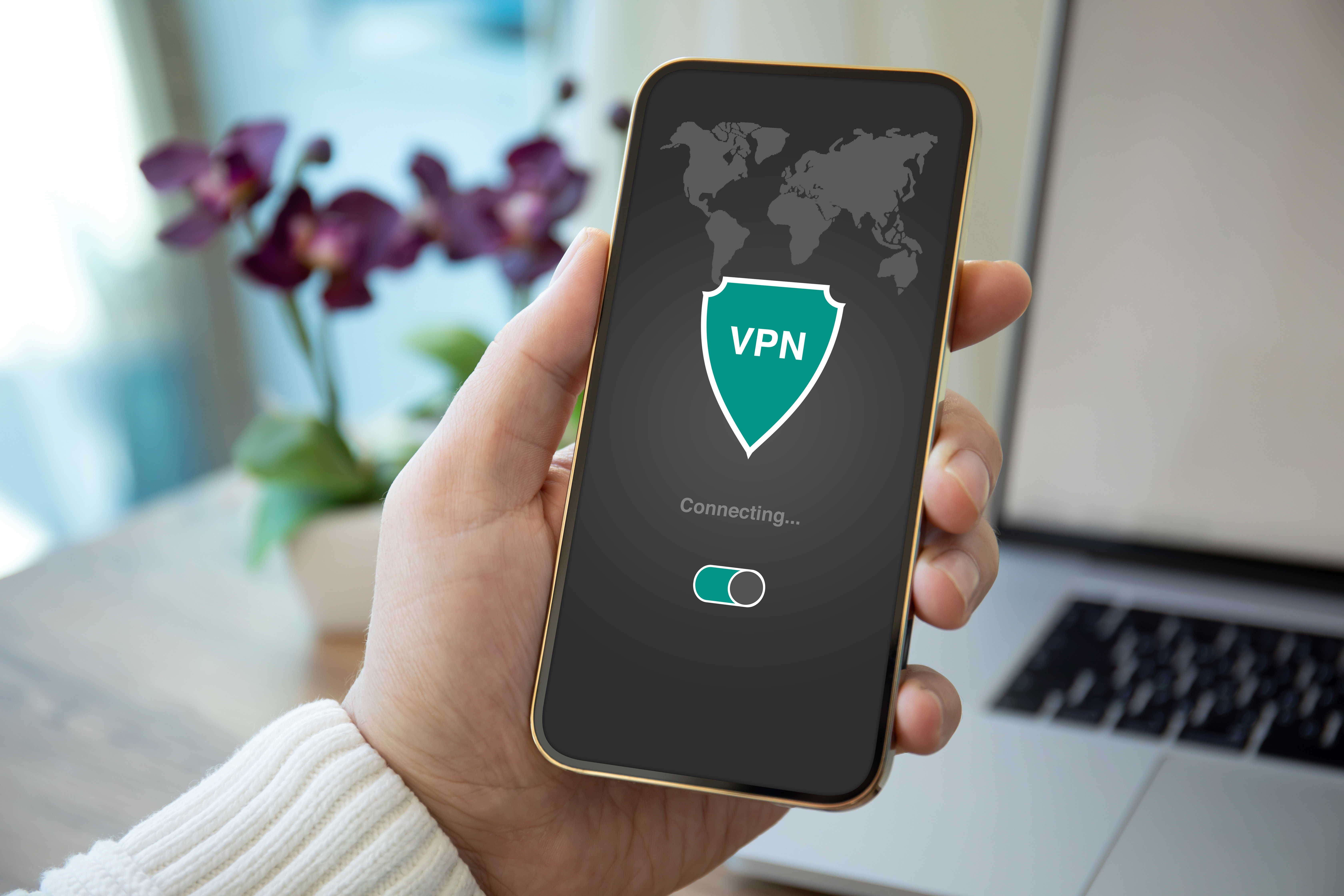
In Japan, where navigation apps guide travelers through massive stations, translation tools unlock menus and signs, and digital confirmations are often required to check into hotels or access bookings, reliable connectivity supports nearly every moment of the trip; a stable internet connection then becomes a practical travel tool that improves safety, reduces stress, and saves time.
This article highlights how Ninja WiFi can help common challenges first-time visitors face, how to avoid them with thoughtful preparation, and why many travelers choose a dedicated connectivity solution for peace of mind.
Common Issues When Traveling to Japan for the First Time

First-time visitors often imagine culture shock as a matter of etiquette or language, but many of the most stressful moments come from simple connectivity problems.
Arrival Problems: No Wi-Fi at the Airport and Trouble Reaching Your Hotel
After a long international flight, travelers expect to orient themselves and move on quickly. Yet, airport reality can be different. Free Wi-Fi in Japan and especially in airports is generally time-limited, requires repeated logins, and becomes unreliable during peak arrival hours. Wasted time refreshing a connection can feel frustrating when jet lag sets in.
Without stable access, messaging a hotel to confirm a late arrival becomes difficult, while checking Google Maps for train routes, platform numbers, or transfer details may be fruitless, as maps might not load at all. For first-time visitors, these moments feel especially stressful because everything—from the language to the layout—already feels unfamiliar.
Getting Lost Underground: Maps and Transit Apps Do Not Load
Tokyo’s transportation system is efficient but layered. Subways, JR lines, and private railways intersect underground, often with multiple platforms serving the same station. If you rely solely on offline maps, you will most likely miss real-time changes, such as service delays, line substitutions, or precise platform assignments. Without live navigation to help you find your way through stations, missed transfers, and wrong exits add up quickly.
By contrast, constant access to transit apps reduces stress by providing updated route information, accurate car locations, and walking directions, saving time and preventing unnecessary backtracking.
Everyday Travel Friction: Restaurants and QR Codes
Dining and sightseeing introduce additional challenges. Many restaurants rely on Japanese-only menus, making translation apps essential for ordering, while QR codes are also increasingly common for hotel check-ins, attraction entry, and digital tickets.
Being unable to load a code or translate a menu turns minor tasks into stressful interruptions, and these minor obstacles are precisely what can slow your pace on a first trip.
Accidental Roaming Fees
Last but not least, unexpected roaming charges remain a common and costly mistake. U.S. carriers, for instance, often charge high daily fees or per-megabyte rates, resulting in bills that climb into the thousands of yen within days.
On the other hand, a dedicated connectivity option removes financial uncertainty by offering transparent pricing upfront: you know exactly what you’ll pay for a set amount of data, allowing you to use all your essential apps freely without worrying about post-trip surprises.
How to Avoid Connectivity Issues in Japan
Careful preparation and realistic planning will help you stay connected across cities and seasons, wherever your trip takes you.
Prepare Your Devices Before You Visit Japan
It might come as a surprise, but most connectivity problems start before the plane even lands; taking time to prepare devices in advance eliminates many common issues.
First, confirm that your phone is unlocked. Phones tied to a home carrier may reject foreign SIMs or eSIMs, even if international roaming is enabled. eSIM compatibility should also be verified carefully. Recent iPhone models, Google Pixel devices, and higher-end Android phones generally support eSIM, while older models and budget phones often do not. We recommend checking the official manufacturer specifications, as they are far more reliable than making assumptions based on phone age alone.
Battery performance matters just as much as network compatibility. Navigation, translation, messaging, and mobile payments can drain power quickly during full sightseeing days, and phones with weakened batteries may struggle to last from morning to evening. Bringing a compact power bank, dependable charging cables, and a plug adapter for Japanese outlets will keep your devices usable throughout long travel days. While it is true that chargers are also sold at convenience stores, prices are higher, and availability can be unpredictable.
Choose the Best Connectivity Option for Your Travel Style
Connectivity needs vary widely depending on how and with whom you travel. Solo travelers often prioritize simplicity and lightweight options, while couples, families, and groups benefit from shared solutions that reduce per-person costs. Trip length also plays a role: short visits favor solutions that activate quickly with minimal setup, while longer stays benefit from plans that maintain stable performance and allow easy extensions.
Additionally, travelers moving between regions—such as Tokyo to Kansai, or from Hokkaido down to Okinawa—should prioritize nationwide coverage over city-specific options. Options like NINJA WiFi are designed for precisely this kind of movement, with coverage that works across urban centers, rural areas, and long-distance train routes. Plus, NINJA WiFi devices do not need to be returned to their original pickup location, allowing travelers to move freely across the country.
Convenience and flexibility also matter: pocket Wi-Fi devices and SIM cards offered by NINJA WiFi can be picked up both at major Japanese airports and in Tokyo, and they can even be delivered to your accommodation.
When it comes to choosing a plan, unlimited or throttled-but-usable data plans offer maximal peace of mind, particularly for first-time visitors. Even when speeds slow, access to maps, messaging apps, and translation tools continues, preventing unexpected charges in yen.
Plan for When Connectivity Fails
Even the best setup cannot guarantee perfect service everywhere, which is why thoughtful offline preparation acts as a safety net. Downloading maps, saving hotel addresses in Japanese, and keeping screenshots of reservation details can save time and reduce stress when signals drop underground or in remote areas. Offline tools may not replace real-time navigation entirely, but they still prevent minor disruptions from becoming major obstacles.
Daily Maintenance
Staying connected also depends on daily habits. For instance, managing data usage by limiting background app refreshes and avoiding auto-play videos preserves speed throughout the day. Battery life also benefits from practical routines: lowering screen brightness, closing unused apps, and charging whenever possible on trains or during meals. Minor adjustments compound over time, ensuring devices remain functional when connectivity matters most.
FAQ

First-time visitors to Japan often share the same questions about staying connected; the answers below focus on practical choices that reduce stress and keep daily travel simple.
What’s the Best Internet Choice for a First Trip to Japan?
Choosing between pocket Wi-Fi, a physical SIM, or an eSIM can feel confusing at first. Each option works, but the experience differs noticeably. SIM cards and eSIMs connect a single device, which works well for solo travelers who are confident in managing settings and data usage. Pocket Wi-Fi, by contrast, creates a single shared connection that multiple phones, tablets, or laptops can use simultaneously.
Many first-time visitors gravitate toward pocket Wi-Fi for its simplicity. Since one device keeps everyone connected, there is no need to configure multiple phones or troubleshoot compatibility issues. Clear daily data plans—such as 3GB, 5GB, or unlimited—make usage easy to understand and help travelers budget confidently in yen.
For anyone seeking a low-stress setup that works immediately upon landing, pocket Wi-Fi remains a beginner-friendly option that doesn't lock anyone into complicated decisions.
Can I Rely on Free Wi-Fi When Visiting Japan for the First Time?
Free Wi-Fi exists in Japan, but consistency remains an issue. Major stations, airports, some convenience stores, and larger hotels often provide access, while smaller restaurants, local cafés, buses, and regional trains frequently do not. Connections sometimes require registration, reset frequently, or drop without warning.
Security and reliability also matter, and public networks lack both encryption and stability. First-time travelers in particular benefit from a private connection that works everywhere and at any time.
Essential Apps When Traveling in Japan
Several apps quickly become indispensable on a first visit to Japan. Google Maps remains the most reliable option for train routes and walking directions, while Google Translate, especially with offline Japanese downloaded, helps with menus and signage. A transit app like Japan Travel by NAVITIME adds clarity for complex rail transfers. Lastly, payment or booking apps tied to hotels and attractions keep confirmations accessible on the go.
Conclusion
Japan is widely regarded as one of the safest and most welcoming destinations for first-time travelers, with clear signage, helpful locals, and an efficient transportation system. Thoughtful preparation—especially around internet connectivity—turns potential uncertainty into quiet confidence, making navigation, communication, and daily decisions far easier. With reliable access to maps, translations, and essential information, attention naturally shifts away from logistics and toward the experience itself.
Book your connectivity solution in advance so you can spend your time in Japan savoring local food, exploring neighborhoods, and enjoying the rhythm of travel, rather than worrying about staying connected.