




Japan VPN Guide: Do You Really Need a VPN in Japan? Honest Advice for Travelers
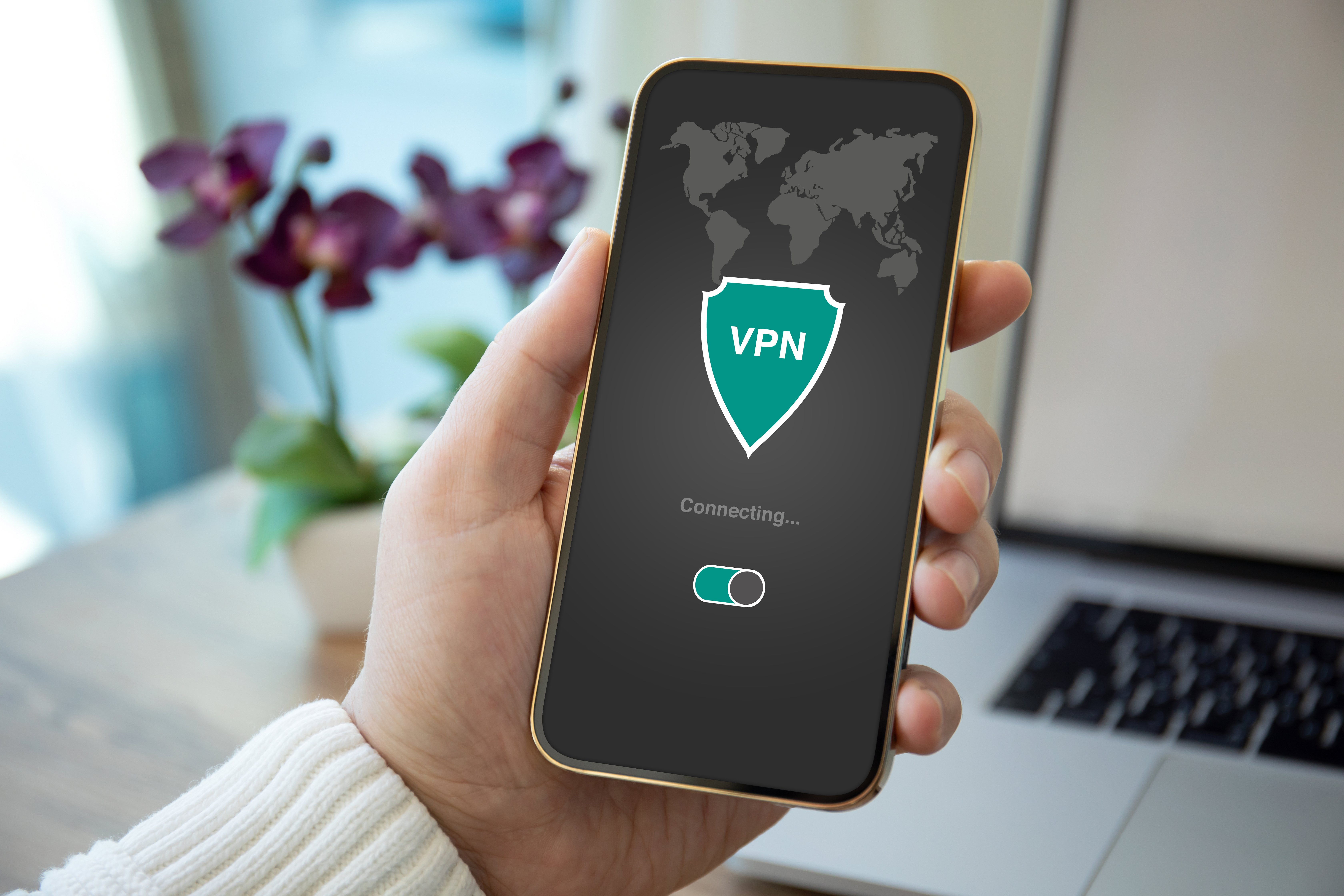
Many travelers search for a VPN for Japan before visiting because they want safe, unrestricted internet access. Japan, however, is already one of the most open and connected countries in the world. Global services such as Google, YouTube, Instagram, and WhatsApp are generally accessible without special tools.
The more common travel challenge is not censorship. The real issue is staying consistently connected and secure while moving through airports, stations, hotels, cities, and rural sightseeing areas. Public Wi-Fi can be useful, but speed, stability, and privacy often vary.
Using VPN apps in Japan can still help in certain cases, such as streaming home content, accessing company systems, or adding privacy on shared networks. At the same time, a VPN cannot replace a weak signal or unreliable connection.
The smartest strategy for most travelers is simple: secure dependable private internet first, then decide whether a VPN is necessary for your specific needs. This guide explains when a VPN in Japan is helpful, when it is not, and how to build the best internet setup for your trip.
Japan VPN Basics: Is the Internet in Japan Restricted?
Many travelers search for a VPN for Japan before departure because they assume internet access in Japan is heavily restricted. In practice, Japan is one of the most open and connected countries in Asia. Major websites, global apps, and common communication tools are generally available without government-level blocking. A VPN in Japan can still be useful in specific situations, but most visitors do not need one simply to browse the web.
Can You Use Google, YouTube, Instagram, and WhatsApp in Japan?
Yes. Google, YouTube, Instagram, WhatsApp, X, Facebook, and most major international services are normally accessible in Japan without requiring a VPN. You can search maps, upload photos, watch videos, and message family members using regular mobile data or Wi-Fi.
Japan’s internet environment differs from that of destinations where some global platforms are blocked or restricted. In Japan, common issues are usually related to signal strength, congestion, or network availability rather than censorship.
For example, connection quality may weaken inside underground train tunnels in Tokyo or Osaka, especially during rapid movement between stations. Public Wi-Fi may also disconnect when changing platforms or moving through crowded stations. In rural sightseeing areas, such as mountain roads near Mt. Fuji or remote hot spring towns, free Wi-Fi coverage can be limited. Private mobile data often becomes more important than a VPN in Japan in those locations.
Japan VPN Laws: Is Using a VPN Legal in Japan?
Using a VPN is generally legal in Japan. Businesses use VPNs for secure remote access, and private users may use VPN services for privacy or to connect to personal accounts while traveling.
Legal use of a VPN does not override the terms of private companies. Streaming platforms, financial institutions, and other services may restrict access if unusual login behavior is detected. Using a VPN in Japan can be legal while still triggering account verification checks on certain websites.
For ordinary travel purposes, legal concerns are usually minimal. The more relevant question is whether a VPN is necessary for your planned activities in Japan.
Why Some Travelers Search for Japan VPN Services Before Arrival
Travelers often research Japan VPN options for five practical reasons:
- Accessing home streaming libraries while abroad
- Logging into banking apps that flag international access
- Protecting traffic on public Wi-Fi networks
- Connecting to office systems during business travel
- Increasing privacy while using the hotel or café internet
Many travelers also search for a free VPN for Japan to reduce costs. However, poor connection quality, speed limits, advertising, and unclear data-handling policies can pose disadvantages. Reliable mobile internet in Japan is often a higher priority than searching for a free VPN.
Japan VPN Cases: When a VPN Actually Helps in Japan
A Japan VPN is not essential for every visitor, but certain use cases make one practical. The key point is understanding when a VPN solves a real problem and when stable connectivity matters more.
Japan VPN for Streaming: Accessing Home Country Content Abroad
Streaming libraries often differ by region. Netflix Japan, for example, may have titles that are unavailable in your home country, while some programs you normally watch may not appear during your stay.
A VPN may help you access your home region account environment, subject to platform rules and detection systems. Success rates vary, and streaming services frequently update location controls.
Speed is equally important. HD and 4K streaming require stable bandwidth. If you rely on weak hotel Wi-Fi or congested public Wi-Fi, a VPN alone will not create a smooth viewing experience. A private mobile data plan or a dedicated internet device is often more useful.
VPN in Japan for Banking: Logging Into Financial Apps Safely
Some banks monitor international logins to prevent fraud. If you sign in from Japan, your bank may request two-factor authentication, send alerts, or temporarily pause access until your identity is verified.
A VPN may reduce unusual location signals in some cases, but a VPN is not guaranteed to prevent security checks. Banks also examine device history, browser patterns, and transaction behavior.
Safer preparation includes:
- Enabling roaming text or app verification before departure
- Updating phone numbers for one-time passcodes
- Informing your bank of travel when recommended
- Using a trusted private internet instead of open public Wi-Fi
VPN in Japan for Remote Work: Accessing Company Networks
Many organizations require employees to connect through a corporate VPN to reach internal systems, dashboards, or files. If you work while visiting Japan, your employer’s VPN may be mandatory rather than optional.
Japan generally supports remote work well in cities, but network consistency still matters. Video meetings may struggle on overloaded hotel Wi-Fi during evening hours. Underground rail travel is also not ideal for uninterrupted VPN sessions, as station handoffs and tunnel transitions can disrupt calls.
Reliable private internet is often the strongest foundation for work connectivity.
VPN in Japan for Privacy: Reducing Exposure on Shared Networks
A VPN can add encryption between your device and the VPN provider, which may reduce exposure on shared networks such as cafés, airports, or hotels.
Shared Wi-Fi environments still carry practical risks:
- Fake hotspot names resembling official networks
- Login portals requesting unnecessary data
- Automatic reconnection to previously used networks
- Congestion that causes timeouts during payments or bookings
A VPN can help with privacy, but avoiding unnecessary use of public Wi-Fi is often the stronger security choice.
VPN Limits in Japan: What a VPN Cannot Fix
Many advertisements present VPN services as complete travel solutions. In reality, a VPN in Japan has clear limitations. Understanding those limits helps you choose the right connectivity setup.
A VPN Does Not Replace a Stable Internet Connection
A VPN runs on top of an existing internet connection. If your signal is weak, unstable, or overloaded, the VPN also becomes weak, unstable, or slow.
Examples in Japan include:
- Crowded train platforms during rush hour
- Basement cafés with weak reception
- Rural roads near Mt. Fuji with limited infrastructure
- Hotel Wi-Fi is shared by many guests at night
Private mobile connectivity should take precedence over VPN selection.
A VPN Will Not Guarantee Streaming Access Every Time
Streaming companies actively manage location controls. A server that works one week may fail later. Performance may also vary by device and browser.
Using a VPN in Japan can sometimes improve access, but no provider can guarantee permanent success on every platform.
A VPN May Reduce Speed for Video Calls and 4K Streaming
Using a VPN may reduce speed for video calls and 4K streaming because traffic is routed through an additional server, which can increase latency. The impact varies depending on factors such as server distance, server load, encryption overhead, and the quality of the original connection.
As a result, users might experience lower video call quality, delayed voice responses, buffering during 4K playback, or slower file uploads. While a fast underlying internet connection can minimize these issues, a VPN can still improve poor connectivity on its own.
Free VPN in Japan Risks: Why Free Services Can Be Problematic
Free VPN services for Japan can seem appealing, but they often come with limitations such as data caps, slow servers, frequent disconnects, limited country options, heavy advertising, and unclear privacy policies. Some providers fund their service through ads or by collecting user data, so it’s important to read policies carefully before installation.
For short-term travel, reliable internet access is usually more valuable than an unstable free VPN. For longer stays, renting a pocket Wi-Fi or using a local SIM card can provide a stable, secure connection, reducing reliance on free VPN services.
VPNs and Public Wi-Fi in Japan: The Real Security Question

Many travelers assume that using a VPN in Japan is mainly for bypassing content restrictions. In reality, public Wi-Fi security is often the more practical concern during a trip. Japan offers many free Wi-Fi access points, but convenience does not always equal privacy, speed, or reliability. Understanding how public networks operate helps you decide whether a VPN, a private data connection, or a combination of both is the better choice.
How Free Wi-Fi Works in Airports, Stations, Cafés, and Stores
Free Wi-Fi is widely available in Japan, especially in major cities and travel hubs. Common locations include:
- International airports such as Narita, Haneda, Kansai, and Chubu
- Major railway stations in Tokyo, Osaka, Kyoto, and Nagoya
- Cafés, restaurants, and fast-food chains
- Department stores and shopping centers
- Some convenience stores and tourist information centers
- Selected hotels and accommodation lobbies
Access methods vary by provider. Some networks connect immediately, while others require:
- Email registration
- SMS verification
- Browser login portals
- Accepting usage terms
- Time-limited sessions that require reconnecting later
Signal quality also varies. A station concourse may provide acceptable speeds, while underground platforms or crowded boarding areas may become congested. Connections can drop when moving between train lines or changing terminals. Free Wi-Fi can be useful for light browsing, but consistency is not guaranteed.
Why Open Networks Create Security Risks
Open public Wi-Fi networks can expose users to avoidable risks because multiple unknown devices share the same environment. Even in a highly developed country such as Japan, technical risks still exist.
Common concerns include:
- Fake hotspot names that imitate official networks
- Unencrypted traffic on poorly configured systems
- Login pages requesting unnecessary personal details
- Session hijacking on unsecured services
- Automatic reconnection to previously joined networks
Travelers often focus on destination safety, but digital safety depends on network design rather than geography. A café in Tokyo can pose similar Wi-Fi risks to one in any other major city.
Using HTTPS websites, disabling auto-join features, and avoiding sensitive transactions on public networks all help reduce exposure.
VPN vs Private Data Connection in Japan: Which Is Better?
For most travelers, a private mobile data connection is the stronger priority. A VPN protects traffic over an internet connection, but it still depends on the quality of the underlying network.
Comparison summary:
| Option | Main Benefit | Main Limitation |
| Public Wi-Fi + VPN | Added privacy on shared networks | Depends on crowded or unstable Wi-Fi |
| Private mobile data | More consistent and personal connection | Requires SIM, eSIM, or pocket Wi-Fi setup |
| Private mobile data + VPN | Strongest balance of privacy and reliability | Additional subscription cost |
If you need maps, ticketing apps, banking access, and reliable messaging throughout the day, private data often offers more practical value than repeatedly searching for free Wi-Fi.
Why Avoiding Public Wi-Fi Can Be the Smartest Option
Avoiding public Wi-Fi entirely can simplify travel. You do not need to register repeatedly, troubleshoot portals, or wonder whether a network is legitimate.
Private data is especially useful when:
- Navigating stations quickly during transfers
- Booking last-minute Shinkansen or domestic travel
- Using payment apps outdoors
- Accessing work files securely
- Uploading photos while sightseeing
- Traveling to areas with limited tourist infrastructure near Mt. Fuji or regional towns
Many travelers discover that the strongest security improvement is not a VPN alone, but avoiding unnecessary reliance on public Wi-Fi in the first place.
Best VPN for Japan: What to Look For If You Need One
Not every traveler requires a VPN in Japan. If your trip includes remote work, banking access, or region-sensitive streaming, selecting the right provider matters. Marketing claims are common, so practical criteria are more useful than brand slogans.
Speed and Server Availability
Speed is one of the most important factors. Slow VPN servers can create buffering, delayed video calls, and sluggish browsing.
Look for providers offering:
- Multiple nearby server locations in Asia-Pacific
- Reliable servers in your home country if needed
- Consistent evening performance during peak hours
- Clear information about network capacity
A provider with only a few overloaded servers may perform worse than expected, even with fast hotel Wi-Fi or strong 5G data.
Strong Privacy Policy and Trusted Reputation
Transparent policies should support privacy claims. Before subscribing, review whether the company explains:
- What connection logs are stored
- How long data is retained
- Which jurisdiction the company operates under
- Independent audits or third-party reviews
- Past security incidents and responses
A lower price is not always better if the provider is vague about data practices. Trust is a core part of any VPN service.
Apps for iPhone, Android, and Laptop Users
Travelers often switch between multiple devices. Smooth app support is valuable when moving between airports, trains, hotels, and cafés.
Useful features include:
- Apps for iPhone, Android, Windows, and Mac
- Easy server switching
- Automatic connection to unknown Wi-Fi networks
- Kill switch protection if the VPN disconnects
- Multi-device support under one account
If you use both a smartphone and a laptop, cross-device compatibility is more useful than advanced settings you may never need.
Paid vs Free VPN Options
Free VPN services can be suitable for light, occasional use, but limitations are common. Paid plans usually provide better performance and stronger support.
| Type | Typical Advantages | Typical Drawbacks |
| Free VPN | No subscription fee | Slow speeds, ads, limited servers, data caps |
| Paid VPN | Faster speeds, broader server network, support | Monthly or annual cost |
If your trip depends on work access, streaming stability, or secure account use, paid options are usually more dependable than free services.
VPN Streaming Guide in Japan: Netflix and Other Platforms

Streaming is one of the main reasons travelers search for a VPN. Expectations should remain realistic because content libraries, speed, and platform detection systems all affect results.
Netflix Japan vs Global Libraries
Streaming platforms often license content by region. Netflix Japan may include anime, Japanese dramas, and films that differ from those in the catalogs of the United States, Europe, or other markets.
Likewise, some titles available at home may not appear while you are in Japan. The same pattern can apply to other services such as Disney+, Prime Video, or regional broadcasters.
Catalog differences are normal commercial licensing outcomes rather than internet restrictions.
Why VPN Performance Matters for HD and 4K Streaming
Even if a VPN connection works, performance still determines viewing quality. HD and 4K streaming require stable bandwidth and low interruption rates.
Potential bottlenecks include:
- Weak hotel Wi-Fi
- Crowded evening networks
- Distant VPN servers
- Overloaded free VPN servers
- Signal changes while using mobile hotspots on trains
For travelers who value entertainment, stable private data can be as important as the VPN itself.
Common Streaming Errors While Using a VPN
Users may encounter streaming problems even with reputable providers. Common examples include:
- Playback blocked due to detected VPN use
- Repeated login prompts
- Slow-loading menus
- Endless buffering
- Lower video quality than expected
- App requesting to disable proxy tools
Possible solutions include changing servers, restarting the app, updating device software, or temporarily using your standard connection.
A VPN can be useful for streaming, but no service can guarantee uninterrupted access across every platform at all times.
VPN Banking Guide in Japan: Safe Access to Money While Traveling
Accessing your bank account while visiting Japan is usually straightforward, but security systems may react differently when a login suddenly appears from another country. Many travelers assume a VPN is the main solution. In practice, preparation, account security settings, and a reliable internet connection are often more important than the VPN itself.
Why Banks May Flag International Logins
Banks and payment platforms monitor account activity to prevent fraud. A login from Japan may appear unusual if your account is normally accessed from another country.
Common triggers include:
- First login from Japan
- New device or browser
- Large transfer requests
- Multiple failed password attempts
- Rapid location changes between countries
- Login attempts through suspicious shared networks
Possible responses include extra verification, temporary holds, security alerts, or blocked sessions until identity is confirmed.
A VPN may reduce location changes in some situations, but banks also evaluate device history and behavior patterns. A VPN should not be treated as a guaranteed workaround.
Using Two-Factor Authentication While Abroad
Two-factor authentication is one of the most important banking tools when traveling. Many institutions send one-time codes via SMS, email, or app notifications before granting access.
Preparation before departure is strongly recommended:
- Confirm your registered phone number is active
- Enable international roaming if SMS codes are required
- Update your banking app to the latest version
- Save backup recovery methods when available
- Verify email access on your main device
- Inform your bank of travel if your provider recommends it
Travelers sometimes lose access not because of Japan, but because verification messages cannot be received internationally.
Best Practice: Use Trusted Mobile Data Instead of Open Wi-Fi
The safest routine for online banking in Japan is often using a trusted private mobile data connection rather than open public Wi-Fi. Banking tasks involve passwords, account balances, and personal details, so connection quality and privacy both matter.
Private data is especially useful when:
- Paying credit card bills
- Checking balances urgently
- Moving money between accounts
- Confirming suspicious transaction alerts
- Receiving authentication codes quickly
If you also prefer using a VPN, combining a VPN with private data usually provides a stronger setup than relying on open Wi-Fi alone.
Japan VPN Strategy: Build Reliable Internet First

A VPN in Japan can be useful, but the stronger travel strategy starts with dependable internet access. A VPN sits on top of your connection. If the underlying connection is unstable, the VPN experience will be unstable as well. Reliable data should come first, then VPN decisions can follow.
Why Private Mobile Data Should Come Before VPN Setup
Many travel issues stem from weak connectivity rather than the absence of a VPN. Common problems include map apps failing during station transfers, translation tools loading slowly, ticketing apps timing out, banking codes arriving late, video calls freezing in hotels, and public Wi-Fi portals refusing to connect.
Even Google Maps, essential for navigating unfamiliar cities, can become unreliable without stable data. Having private mobile data addresses these daily challenges more effectively than relying on a VPN alone. Once a reliable connection is established, a VPN can be added as an optional layer for security or accessing restricted content.
Japan eSIM: Fast Setup Before Departure
A Japan eSIM is one of the fastest connectivity options for smartphones that support eSIM technology. Travelers can purchase a plan online, scan a QR code, and activate service before or after arrival. Benefits include no physical SIM swap, quick setup, immediate data access after landing, and the ability to use it alongside your main SIM. An eSIM also helps you avoid searching for airport Wi-Fi and gives instant access to apps like Google Maps, messaging, and train schedules.
Japan SIM Card: Good for Longer Stays
A physical Japan SIM card is a practical option for longer stays or devices without eSIM support. Benefits typically include stable local data, broad device compatibility, and simple prepaid plans, making it convenient for everyday use during extended trips.
Japan Pocket Wi-Fi: Best for Multiple Devices
A pocket Wi-Fi router is a convenient option for travelers who need internet access across several devices, including phones, tablets, and laptops. Families and small groups often prefer to share a single connection rather than purchase separate SIM plans. Most units are rechargeable and typically last 5–6 hours, depending on usage, so carrying a power bank can be helpful on long sightseeing days.
Some services, such as NINJA WiFi, allow connections for up to five devices at once. Before renting, it’s also important to confirm booking details and return procedures. For travelers moving around together, pocket Wi-Fi offers a simple way to stay connected throughout the trip.
Using a VPN on Top of Your Own Secure Connection
Once you have dependable mobile data through eSIM, SIM, or pocket Wi-Fi, adding a VPN can make more sense.
Possible benefits include:
- Added privacy on hotel or shared networks
- Access to company systems
- More consistent login environment for some accounts
- Optional streaming access depending on platform rules
The strongest order of priority is usually:
- Reliable private internet
- Good device security practices
- VPN only if your use case benefits from it
FAQ About VPN in Japan
Many travelers search for a VPN for Japan shortly before departure. The answers below cover the most common practical questions.
Do I Need a VPN in Japan for Normal Travel?
Usually no. Japan does not generally require a VPN for standard browsing, messaging, maps, email, or social media. Most visitors benefit more from reliable private mobile data than from a VPN subscription.
Is Free VPN Safe to Use?
Some free VPN services are legitimate, but quality and privacy standards vary widely. Risks may include slow speeds, ads, data limits, and unclear data handling practices. Carefully reading the privacy terms is recommended before use.
Can I Watch US Netflix with a VPN in Japan?
Possibly, but results are not guaranteed. Streaming platforms use region-based licensing and often detect VPN traffic. Access may work, fail, or change over time depending on the platform and server used.
Should I Use a VPN for Online Banking in Japan?
A VPN can add privacy, but trusted private mobile data, strong passwords, and working two-factor authentication are usually more important. Avoiding open public Wi-Fi is often the better first step.
What is Better Than Public Wi-Fi in Japan?
Private mobile data via a Japan eSIM, SIM card, or pocket Wi-Fi is usually better than public Wi-Fi in terms of convenience, reliability, and security. Many travelers save time and reduce risk by using their own connections throughout the trip.
Conclusion
A VPN in Japan can be valuable in specific situations such as streaming, remote work, banking access, or additional privacy on shared networks. A VPN is not essential for ordinary travel, and it does not solve the most common travel problem: weak or inconsistent internet access.
For most visitors, private mobile connectivity through eSIM, SIM card, or pocket Wi-Fi provides greater day-to-day value than relying on public Wi-Fi or searching for free VPN services. Once you have a strong connection, a VPN becomes an optional extra rather than a necessity.
If your goal is smooth navigation, secure communication, reliable app access, and less reliance on public Wi-Fi, build your internet setup in Japan before departure. Reliable private data first, VPN second, is often the smartest approach.
Secure your connection before takeoff and arrive ready to explore Japan with confidence. NINJA WiFi helps you stay connected from airport arrival to your final day of travel.