




eSIM vs SIM Card for Japan: Which is Better for Travelers? Price, Setup & Use

Choosing mobile data in Japan often seems straightforward at first, yet the eSIM vs. SIM card debate rarely has a single correct answer. Phone compatibility, comfort with digital setup, and how much preparation you prefer to do before departure all influence which option fits best, and the wrong choice can lead to unnecessary stress once reliable internet becomes essential for navigation, translation apps, and daily communication.
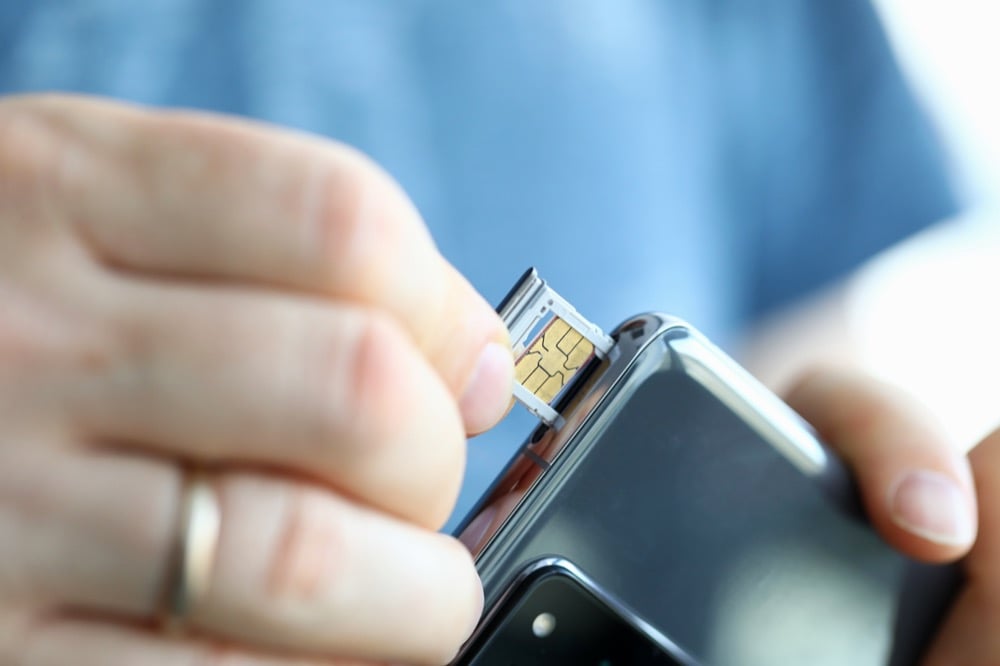
As a reminder, a physical SIM card is a small plastic chip inserted into your phone’s SIM tray, replacing or supplementing your home SIM to connect to Japanese mobile networks; most travelers buy one at airport counters after arrival or pre-order online for pickup or delivery, appreciating the familiar, low-effort setup. An eSIM works differently, as it is built directly into compatible devices and activated digitally by scanning a QR code or using a dedicated app, allowing plans and data usage to be managed entirely on-screen without handling any physical card.
With that difference established, the question becomes which option makes the most sense for your trip.
eSIM vs SIM Card: Side-by-Side Comparison
Choosing between an eSIM and a physical SIM card may feel overwhelming at first, but the decision is often simpler than it appears. The comparison below focuses on the practical differences travelers experience in Japan to help you decide.
Comparison Table
The table highlights how eSIMs and SIM cards differ, based on typical options offered to short-term visitors in Japan.
| Item | eSIM | SIM Card |
| Purchase method | Online | Airport counters, retail stores, or online with pickup |
| When you can get it | Available before departure | Often purchased after arrival, though buying in advance is possible and recommended |
| Setup difficulty | Moderately technical (QR code, device settings) | Simple physical insertion |
| Compatible devices | Limited to newer, eSIM-enabled models | Works with almost all unlocked phones |
| Multi-device use | Difficult to transfer | Easily swapped between devices |
| Risk of loss | None (no physical item) | Possible loss or damage |
| Price range | Generally lower | Slightly higher |
| Data top-ups | Easy via app or web portal | Usually requires a store visit or a new purchase |
Price Comparison in Japan (Updated for 2026 Travelers)
Pricing differences between eSIMs and SIM cards in Japan largely reflect distribution rather than differences in network quality. As of January 2026, short-term eSIM plans commonly cost slightly less than comparable SIM card plans. With NINJA WiFi, 10 GB of data for a 7-day trip costs 4,609 yen with an eSIM, while 7 GB of data for the same length costs 3,795 yen with a SIM card. Lower eSIM prices come from the absence of physical inventory, shipping, retail rent, and counter staff. At the same time, SIM cards carry higher costs due to packaging, logistics, and in-person sales support.
Pros and Cons of Each Option in Japan

Both eSIMs and physical SIM cards work well in Japan, but they serve different travel styles and comfort levels with technology. Understanding the trade-offs helps avoid small frustrations that can quietly disrupt the first days of a trip.
Digital eSIM: Pros and Cons
eSIMs have become increasingly popular among travelers to Japan, especially those who value speed, minimalism, and pre-trip preparation. The strongest advantage lies in timing: activation can be completed before departure, allowing phones to connect to a local Japanese network moments after landing. Skipping airport counters reduces stress after long flights and eliminates the need to factor in limited operating hours and queues.
The absence of a physical card also removes the risk of loss: phones remain sealed, and nothing can be misplaced in hotel rooms or dropped during SIM swaps. Pricing tends to be competitive as well, with many short-term data plans undercutting physical SIM cards due to lower distribution costs. From an environmental standpoint, eSIMs avoid plastic packaging and shipping, a small but meaningful benefit for frequent travelers.
However, eSIMs are not universally supported. Older phones and many budget Android models still lack eSIM support, so some travelers won't be able to use it—you’ll need to check your phone's compatibility first. Initial setup can also feel intimidating, particularly for users unfamiliar with QR-based activation, APN settings, or managing multiple profiles within the phone’s system menu. It’s also important to note that reliable Wi-Fi is essential during installation, as activation typically fails over cellular networks, making airport or hotel internet access a practical requirement.
Physical SIM Card: Pros and Cons
Physical SIM cards remain the most familiar option and continue to appeal to travelers who prefer tangible solutions. Compatibility is the biggest advantage: nearly all unlocked phones support physical SIM cards, including older and entry-level models. The concept is straightforward—insert the card, restart the phone, and connect, making setup accessible even for first-time international travelers.
Flexibility adds to the appeal, since a single SIM card can be swapped between multiple phones, which is useful for couples sharing data plans or travelers carrying backup devices. In-person support is another benefit, as airport counters and electronics stores provide staff assistance for installation, troubleshooting, and plan explanations. For travelers uncomfortable adjusting phone settings, face-to-face help offers reassurance.
The drawbacks are mostly logistical. Physical SIM cards can be lost or damaged, especially when travelers remove their home SIMs and store them in small envelopes or pockets. Additionally, many visitors still purchase SIM cards upon arrival, which can cause delays during peak travel hours. Stock shortages are also common during busy seasons, such as cherry blossom spring travel or summer festivals, which can limit options or drive up prices.
Quick Decision Flowchart
To make it easy for you to decide, below is a simple set of questions that should help narrow the choice:
Q1: Is your device eSIM-compatible?
No → Choose a SIM card
Yes → Move to Q2
Q2: Do you want everything ready before departure?
Yes → eSIM recommended
No → Move to Q3
Q3: Are you comfortable with digital setup and phone settings?
Yes → eSIM
No → SIM card
Hopefully, the answer is clearer for you now. If, on the contrary, you are still unsure, the section below explores a few alternative options.
Alternatives to eSIMs and SIM Cards
While eSIMs and SIM cards cover most connectivity needs in Japan, they are not the only options available. This section explores common alternatives, including public Wi-Fi networks and pocket Wi-Fi, and explains where each approach falls short and when it makes sense.
“Free Wi-Fi” in Japan Often Comes with Conditions
Many so-called free Wi-Fi networks in Japan require more than simply connecting. Access often involves email registration, SMS verification, downloading a dedicated app, or agreeing to lengthy terms written only in Japanese. Even after completing these steps, usage is frequently capped at 15 to 30 minutes per session, requiring repeated logins throughout the day.
Public locations such as train stations and cafés commonly impose these limits, which explains why residents rarely rely on free Wi-Fi for daily connectivity. Network names are also not always intuitive for visitors, with examples like JR-EAST_FREE_Wi-Fi, 0001docomo, or at_STARBUCKS_Wi2 offering little clarity at first glance. For travelers who need constant access to maps, translation, and messaging, depending on free Wi-Fi can quickly become more frustrating than convenient.
When Pocket Wi-Fi Makes More Sense
Pocket Wi-Fi occupies a practical middle ground for travelers whose needs extend beyond a single phone. A single device can connect smartphones, tablets, and laptops simultaneously, regardless of operating system or model. Groups and families often find pocket Wi-Fi more efficient, as one connection supports everyone and lowers the per-person cost when shared.
Longer stays across multiple regions also favor pocket Wi-Fi, as coverage remains stable while moving between cities, rural areas, and islands. Travelers who prefer not to touch phone settings at all further appreciate the simplicity of turning on a device and connecting as they would at home.
Services such as NINJA WiFi highlight why pocket Wi-Fi remains relevant in Japan: airport pickup is available nationwide, returns can be made in a different region than the pickup location—such as Fukuoka to Sapporo or Tokyo to Okinawa—and connectivity remains reliable even when public Wi-Fi is unavailable.
Conclusion
Reliable connectivity shapes nearly every part of traveling in Japan, from navigating rail stations to translating menus and staying in touch. Understanding how eSIMs, physical SIM cards, and pocket Wi-Fi differ makes choosing the right option much easier.
eSIMs stand out for convenience and competitive pricing, particularly for travelers who prefer everything set up before landing. Physical SIM cards remain the most compatible and simplest choice, especially for older devices or travelers who value a familiar, hands-on setup. Pocket Wi-Fi offers the greatest flexibility, allowing multiple devices to stay connected at once and reducing stress for groups, families, or longer stays.
Regardless of which option best suits you, arranging mobile connectivity before arrival removes uncertainty on day one and ensures easy communication and peace of mind throughout your trip.