





Prepaid SIM Card Japan: Best Options for Travelers in 2026
Staying connected while traveling in Japan is essential for navigation, translation, and keeping in touch. A prepaid SIM card is one of the most convenient and cost-effective solutions, offering reliable data without needing rentals or contracts.
In this guide, we’ll cover everything you need to know about prepaid SIM cards in Japan—from the best options and data plans to activation steps and troubleshooting tips—so you can choose the right plan and stay online effortlessly during your trip.
Why Choose a Prepaid SIM Card for Traveling Japan?
While options like pocket WiFi, international roaming, and free WiFi exist, a prepaid SIM card offers an affordable and straightforward alternative to access high-speed mobile data. Since most people are familiar with SIM cards, this choice is self-evident for many travelers.
Key Benefits for Tourists
Below are a few reasons tourists often use a prepaid SIM card when traveling to Japan.
- ●Cost-Effective: Prepaid SIM cards usually offer much better rates than international roaming, with options starting at around 2,000 yen for several GB of data. For instance, NINJA WiFi’s 15-day plan offers a total of 15GB for 4,422 yen.
- ●Instant Access: Once inserted and activated, your SIM provides immediate connectivity without the need to carry or return a device.
- ●High-Speed Internet: Major Japanese carriers like NTT Docomo, SoftBank, and au provide 4G/LTE coverage nationwide, ensuring reliable service even in rural areas.
- ●Guaranteed Availability: Prepaid SIM cards are sold at airports, electronics stores, some convenience stores, and online, allowing you to either plan a long time ahead or purchase upon arrival.
- ●Simple Setup: Most prepaid SIM cards require only a simple APN configuration, making them user-friendly even for first-time users.
Prepaid SIM vs. Pocket WiFi: Which Is Better?
A prepaid SIM card is the most straightforward solution for travelers who need mobile data on their smartphones. It allows you to use the internet anywhere through the phone you already carry with you.
Once inserted into your unlocked phone, the SIM card provides high-speed data for anything you might need to do online—from checking your bank account to sharing reels from your trip on Instagram.
Pros:
- ●No need to carry or charge an extra device
- ●Generally cheaper than pocket WiFi for solo travelers
- ●No return is required; use it for the duration of your trip and discard it
- ●Some eSIM options allow activation before arrival
Cons:
- ●Requires an unlocked phone
- ●Data might be limited depending on the plan
- ●No option for multiple users
On the other hand, pocket WiFi is a small, portable router that simultaneously provides internet access for multiple devices.
It’s ideal for families, friends, or travelers who need to connect laptops and tablets. Most rentals offer unlimited data, making it a great option for heavy users who stream videos or work online.
Pros:
- ●Connect multiple devices at once
- ●Often offers higher or unlimited data plans
- ●No phone compatibility issues
Cons:
- ●Must be carried and charged separately
- ●Requires pickup and return
- ●Can be expensive for solo travelers
If you’re traveling alone and value convenience, a prepaid SIM card is the smarter choice. However, pocket WiFi remains a strong alternative for those with phones incompatible with Japanese SIMs.
Types of Prepaid SIM Cards Available in Japan
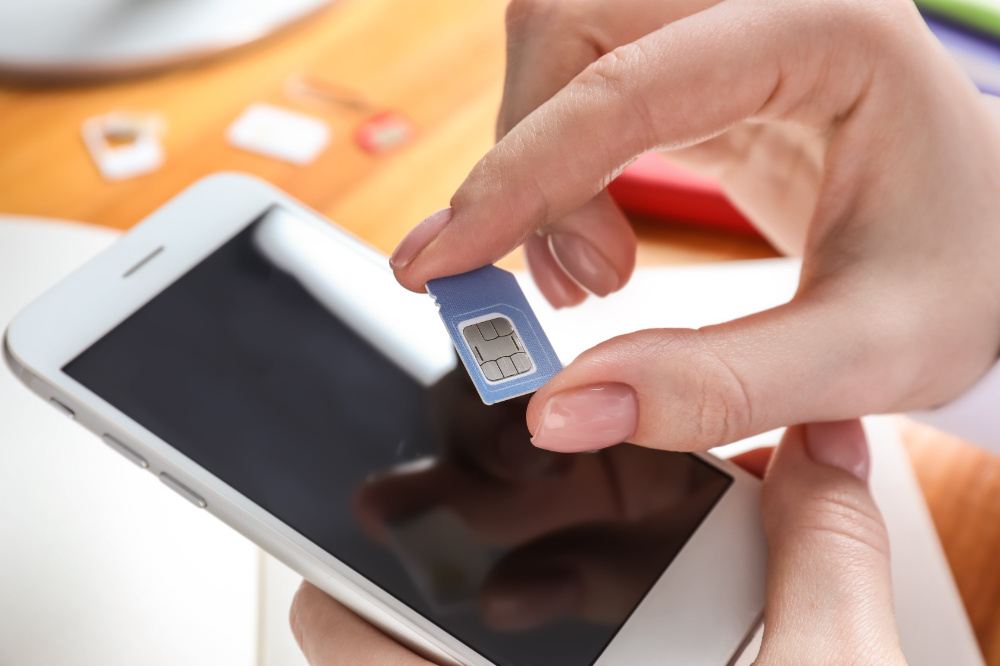
Prepaid SIM cards in Japan come in different types to suit various travel needs.
Most travelers choose between data-only SIMs and voice & data SIMs, depending on whether they need mobile internet access alone or full phone functionality, including calls and texts. Understanding the differences can help you select the best option for your trip.
Data-Only SIMs vs. Voice & Data SIMs
Data-only SIMs provide internet access without phone calls or SMS capabilities. These are the most commonly available prepaid SIMs for tourists in Japan—they are easier to purchase since they do not require a local address or additional paperwork.
They are ideal for travelers who rely on messaging apps like WhatsApp, LINE, or Messenger to stay in touch with family and friends.
Pros:
- ●Simple registration process
- ●Easy to purchase at airports, electronics stores, and online
- ●Typically more affordable than voice & data SIMs
Cons:
- ●No ability to make or receive regular phone calls or SMS
- Customer support may be limited to online chat or email
Voice & data SIM cards, conversely, allow mobile internet access while granting you the ability to make domestic and international calls using a Japanese phone number.
However, due to Japanese regulations, purchasing a voice-enabled SIM requires identity verification and often comes in the form of a monthly subscription. These SIMs are less commonly available at airports and are usually purchased online.
Pros:
- ●Provides a local phone number for calls and SMS
- ●Useful for booking restaurants, taxis, or other services requiring a Japanese number
Cons:
- ●May be tied to a more extended contract
- ●Fewer purchase locations compared to data-only SIMs
- ●Generally more expensive
Best SIM Type for Tourists
For most short-term visitors to Japan, a data-only SIM card is the most practical choice. It provides seamless access to essential travel apps, such as Google Lens for translation or Japan Travel by Navitime for information on local destinations and booking of transportation tickets.
However, if you need to make local phone calls—for example, to book a restaurant that only takes reservations over the phone or to contact a hotel with no online check-in options—a voice & data SIM card is the better option.
These SIMs require passport verification and are typically available from most providers, but they tend to be more expensive and require more setup.
Recommended Data Plans by Trip Duration
How much data you need depends on your usage habits. Below is a general guideline based on common travel activities:
- ●Short Trips (3–5 days): 3–5GB
- ・Suitable for light users who check emails, use Google Maps, browse social media, and send messages.
- ・Recommended for weekend trips or short stays.
- ●Medium Trips (7–10 days): 7–10GB
- ・Ideal for travelers who stream videos, upload photos online, or use video calls occasionally.
- ・Great for exploring multiple cities with frequent navigation needs.
- ・NINJA WiFi’s 7-day plan, offering 1GB per day for 3,795 yen, is an ideal choice.
- ●Longer Trips (14–30 days): 10GB–Unlimited
- ・Best for those frequently using video calls, streaming HD content, and working remotely.
- ・Some providers offer unlimited data plans, but speeds may be throttled after a certain usage limit.
- ・NINJA WiFi provides convenient options for heavy users, who can choose between a 30-day plan offering 20GB of data for 5,049 yen and a 30-day Infinite Unlimited Plan for 9,900 yen.
For travelers unsure of their needs, choosing a SIM with a slightly larger data allowance is recommended, as public WiFi in Japan can be limited, and topping up a prepaid SIM is not always possible.
How to Set Up Your Prepaid SIM Card in Japan
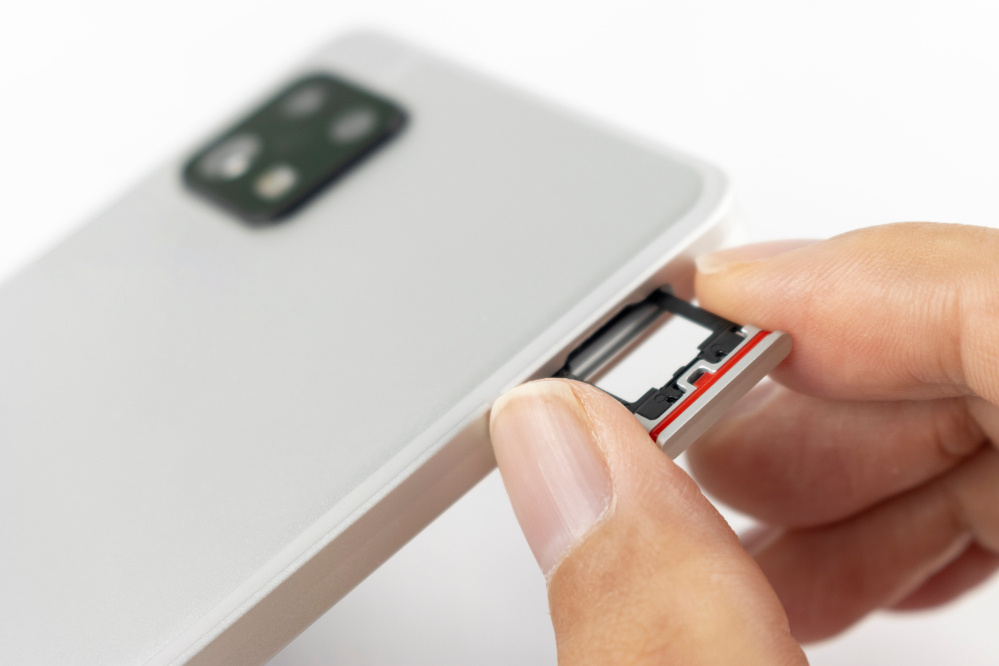
Setting up a prepaid SIM card in Japan is a straightforward process, but it requires a few important steps to ensure proper activation. Most SIM providers include instructions, but knowing the basics in advance can help you get connected quickly.
Activation Steps & APN Settings
1. Insert Your SIM Card
- If you have a single SIM slot, turn off your phone, remove your current SIM, and insert the Japanese prepaid SIM before turning your phone back on.
- If your device supports dual SIM, turn off your phone to insert the prepaid SIM alongside your primary SIM, and select which one to use for data in your settings.
2. Enable Mobile Data & Set APN (Access Point Name)
Most prepaid SIM cards require manual APN configuration. The process varies slightly by provider but generally follows these steps:
- Go to Settings > Mobile Network > Access Point Names (APN)
- Select "Add New APN" and enter the details provided by your SIM provider. It usually includes:
- ・APN
- ・Username & Password
- ・Authentication type (PAP or CHAP)
- Save and select the new APN as your default.
3. Test Your Connection
Once configured, open a browser to check if the internet is working.If not, check whether airplane mode is off and mobile data is enabled.
Troubleshooting Common Issues
No Internet Connection
- Double-check your APN settings—even a small typo can prevent your SIM from working.
- Ensure mobile data and roaming are enabled. Some SIMs require roaming to be turned on, even for domestic use.
SIM Not Recognized
- Confirm your phone is unlocked—carrier-locked devices cannot use foreign SIMs. If unsure, test another SIM from a different carrier.
- Reinsert the SIM and restart your phone.
Slow or Unstable Connection
- If speeds are slow, check if you’ve exceeded your data limit. Many prepaid SIMs reduce speeds once you hit a cap. An unlimited plan such as NINJA WiFi’s 15-day Infinite Unlimited Plan, available for 7,150 yen, helps users avoid this type of issue.
- Try switching networks under Settings > Mobile Networks > Preferred Network Type, especially if you’re in an area with weak coverage.
Conclusion: Stay Connected with a Prepaid SIM
A prepaid SIM card is one of the most convenient and cost-effective ways to stay connected while traveling in Japan. With options tailored to different travel durations and data needs, it allows you to easily navigate, communicate, and explore.
While major airports offer SIM card purchases, availability can be limited. Booking in advance ensures you get the right plan without last-minute stress. If a prepaid SIM isn’t the best fit for your device, alternatives like eSIMs or pocket WiFi can provide reliable connectivity.
NINJA WiFi provides all three options—all you need to do is choose the right one for your needs before experiencing Japan without connectivity worries.