




Your Guide to Getting an eSIM Card for Japan: Best Plans, Tips, and What to Know Before You Go
As international travel returns in full force, more visitors are opting for eSIM cards over traditional SIMs and pocket WiFi for their simplicity and efficiency. In practice, eSIMs enable you to stay connected during your trip while maintaining a minimalist approach, eliminating the need to search for public WiFi or the substantial expenses associated with international roaming.
This guide outlines exactly how to get an eSIM card for Japan, which plans offer the best value, and what to check before departure. If you're looking for a practical, modern way to stay connected during your stay, you’re at the right place.
What is an eSIM Card for Japan, and How Does it Compare to a Traditional SIM?
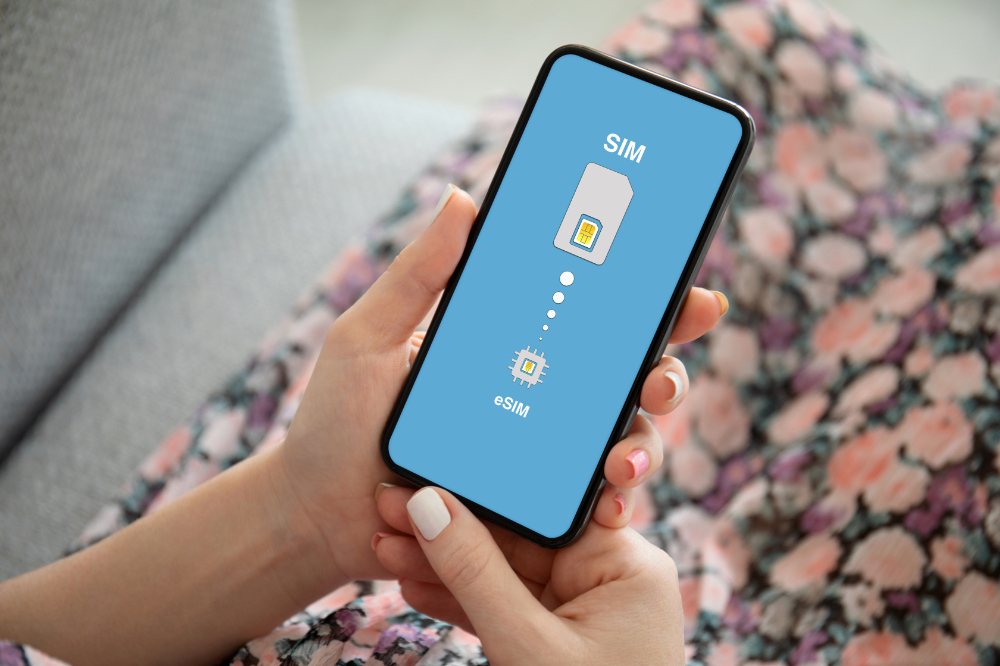
A SIM card (Subscriber Identity Module) is a small physical chip that allows your device to connect to a mobile network. An eSIM (short for embedded SIM) is a digital version of that same functionality. Instead of inserting a chip, you activate a mobile plan by scanning a QR code or downloading a profile.
With an eSIM, there’s no need to visit a store or handle small components: as long as your device is compatible, setup usually takes just a few minutes.
Pros and Cons of eSIM Cards in Japan
Below is a quick overview of the pros and cons of eSIMs, allowing travelers to assess whether or not it might be a good fit for their trip.
Pros:
- Instant activation—no waiting or delivery needed.
- No physical card or slot is required.
- Convenient for tech-savvy travelers using newer smartphones.
Cons:
- Requires an unlocked and eSIM-compatible phone.
- Not as easily shareable across multiple devices (compared to a pocket WiFi device).
How to Choose the Best Japan eSIM Card for Your Trip

If you believe that an eSIM might be the right choice for your Japan trip, then you will quickly discover that there is a growing number of eSIM options available. Consequently, selecting the right one can seem daunting. Below are some tips to help travelers find what they are looking for.
Coverage, Speed, and Data Limits You Should Look For
The quality of your connection depends heavily on the network backing your eSIM. Look for providers that use major Japanese carriers, such as SoftBank, Docomo, or au, which offer strong nationwide coverage, including rural and suburban areas.
You should also check if the eSIM supports 4G/LTE or 5G. While 5G is expanding in Japan, 4G is still the most widely available and reliable option for most travelers.
Data limits are another key consideration. Many eSIM plans offer high-speed data up to a specific GB limit, after which speeds may be reduced. Although these various limitations may restrict your streaming possibilities, it will still be sufficient for basic tasks.
Considerations Based on Travel Duration and Data Usage
Choosing the right eSIM depends on how long you’re staying and how you plan to use your phone. For example, a traveler who streams videos and uploads photos daily will need significantly more data than someone who uses Google Maps and messaging apps.
Here’s a general breakdown:
- Daily GB plans are ideal for short trips with high usage.
- Total GB plans are better for longer stays with moderate needs.
For example, NINJA WiFi offers flexible eSIM packages that range from 5-day to 31-day plans. Travelers can select plans based on both duration and expected data usage, making it easier to find a plan that suits their needs.
Important Things to Know Before Buying an eSIM for Japan

Before purchasing an eSIM for Japan, it’s essential to confirm that your device meets the necessary requirements and that the service aligns with your travel needs.
Make Sure Your Phone Supports eSIMs
Before purchasing an eSIM for Japan, the first step is to confirm that your phone supports eSIM functionality. Not all devices are equipped with the necessary hardware or software to handle an eSIM, especially older models or entry-level phones.
Many recent smartphones are compatible, including:
- Apple: iPhone XR and newer (iPhone XS, 11, 12, 13, 14, 15 series, including SE 2nd and 3rd gen)
- Google: Pixel 4 and later
- Samsung: Galaxy S20 series and newer, Note20 series, Z Fold and Z Flip series
- Other brands: Some recent Motorola, Huawei, and Sony Xperia models
Note that certain devices purchased in mainland China, Hong Kong, or Macau may lack eSIM support even if they are the same model.
To check compatibility:
- On an iPhone, go to Settings > Cellular > Add Cellular Plan. If you see the option to add a plan or scan a QR code, your device supports eSIM.
- On an Android phone, open Settings > Network & Internet > SIMs (*note that this may vary slightly by model). Look for options like “Download a SIM” or “Add eSIM.”
- Via a dial code, dial: *#06#. If an “EID Code” appears on your screen, your phone is eSIM compatible.
If your phone does not show these options, it likely does not support eSIM. You can also check your phone model on the manufacturer's website or consult your carrier to confirm.
Your Phone Must Be Unlocked
In addition to eSIM compatibility, your phone must be unlocked to use a Japanese mobile network. A locked phone is tied to your home carrier (such as AT&T or Verizon) and cannot accept SIMs or eSIMs from other providers.EID Iphone
To check if your phone is unlocked:
- Contact your mobile carrier directly and ask if your device is eligible for unlocking.
- Check your settings: On iPhones, go to Settings > General > About and look for "Carrier Lock." If it says "No SIM restrictions," your phone is unlocked.
- Use your IMEI number: Many carriers and online tools allow you to enter your device’s IMEI to check its lock status.
Most major carriers allow you to unlock your phone after you’ve fulfilled certain conditions, such as completing your contract or paying off your device in full. Unlocking your phone before your trip will save time and ensure your eSIM activates without issue.
Alternatives to Consider: Pocket WiFi or SIM Cards
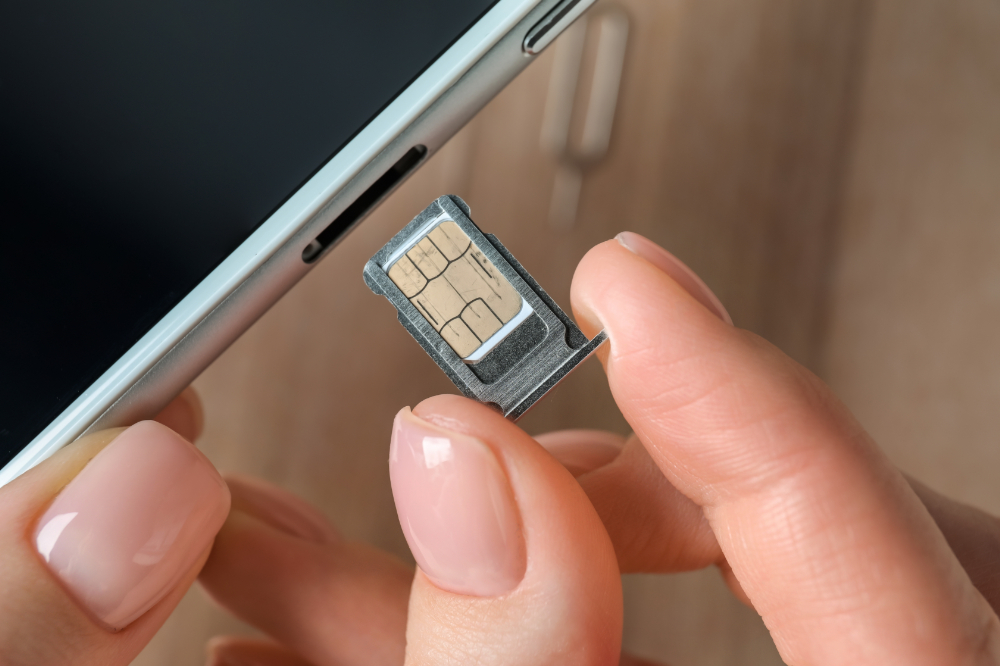
If your phone is either not compatible with eSIM or remains locked, there are still reliable options for staying connected in Japan.
Pocket WiFi is a popular alternative. It’s a small, portable router that creates a secure WiFi network you can carry with you throughout your trip. It’s beneficial when:
- You’re traveling with family, friends, or coworkers.
- You need to connect multiple devices, such as phones, tablets, and laptops.
- You prefer not to use mobile data on your primary phone.
Another option is a physical SIM card, which is still widely available in Japan. However, it requires removing your current SIM and inserting a new one, unless your phone supports dual SIM technology; plus, your phone still needs to be unlocked. With NINJA WiFi, both physical SIM cards and pocket WiFi devices can be picked up at 10 airports across Japan, making it a highly convenient solution. However, setup may still take longer than with eSIMs.
Top Japan eSIM Card Plans: Flexible Options from NINJA WiFi
NINJA WiFi offers a range of eSIM plans tailored to various travel durations and data requirements, allowing you to easily find an option that suits your itinerary and usage habits.
Why NINJA WiFi Is a Trusted Option for Travelers
NINJA WiFi is a long-standing provider trusted by international visitors to Japan, offering the following:
- Full English-language support.
- Online booking before or after arrival.
- Strong partnerships with major Japanese networks.
- eSIM, SIM, and pocket WiFi options.
NINJA WiFi’s eSIM solutions are ideal for travelers seeking reliable, fast, and affordable connectivity.
eSIM Plans from NINJA WiFi (5 to 31 Days)
The following eSIM plans are designed to accommodate various travel durations and data requirements. Hence, no matter how long you stay, there’s a package that fits your style of travel:
| Plan Length | Data | Price (JPY) |
|---|---|---|
| 5 Days | 5GB | 3,102 |
| 10GB | 4,499 | |
| 20GB | 5,599 | |
| 7 Days | 10GB | 4,609 |
| 30GB | 6,699 | |
| 10 Days | 20GB | 5,951 |
| 40GB | 8,448 | |
| 15 Days | 30GB | 7,557 |
| 50GB | 11,550 | |
| 31 Days | 50GB | 13,156 |
| 100GB | 18,403 |
Whether you're a light user or a heavy data consumer, NINJA WiFi’s pricing is transparent and customizable.
How to Set Up and Use Your eSIM from NINJA WiFi
Activating your eSIM is simple:
- Receive your QR code via email
After completing your booking online, NINJA WiFi will send you a unique QR code linked to your chosen data plan. The code typically arrives within minutes and contains everything needed to activate the eSIM on your device. - Scan the QR code to install your eSIM profile
Open your phone’s settings, select the option to add a new cellular or mobile plan, and scan the QR code. Your device will automatically download the eSIM configuration. There’s no need to remove your existing SIM or visit a store. - Connect to the internet immediately upon arrival in Japan
Once you land and turn off airplane mode, your phone will connect to a local network using the eSIM. No SIM swapping, no app installation, and no waiting for activation.
There’s also nothing to return at the end of your trip. Because the eSIM is entirely digital, you won’t have to drop off equipment or worry about rental deadlines. It’s a clean, modern solution that gets you online quickly and keeps things simple from start to finish.
Conclusion
eSIM cards offer a convenient solution for staying connected in Japan, perfect for travelers who prefer a lightweight and digital-first approach. If you opt for an eSIM rental, be sure to prepare in advance by checking compatibility and unlocking your phone, as this will save you time and hassle upon arrival. For reliable, flexible plans and easy setup, NINJA WiFi remains a top choice among visitors. Get ready to book now and enjoy your trip with confidence.