




Tokyo Pocket Wi-Fi: How to Stay Connected While Navigating Japan’s Busiest City
Tokyo runs on real-time information. Train platforms change at a moment’s notice, reservations are increasingly managed online, and even short walks between neighborhoods rely on mobile maps to stay efficient. For travelers navigating crowded stations, tight schedules, and language barriers, a dependable internet connection becomes an essential travel tool. In this article, we delve further into why a Wi-Fi connection plays such a central role in staying organized, confident, and flexible while exploring Japan’s capital.
When Connectivity Becomes Essential for Daily Travel
Tokyo moves quickly, leaving little room for guesswork once the day begins. Reliable Wi-Fi access supports nearly every decision, from choosing the right train platform to securing last-minute reservations, making steady connectivity a practical necessity.
Transportation and Navigation Across Tokyo
Navigating Tokyo’s transportation network relies heavily on live data: apps such as Google Maps, Apple Maps, and Japan-specific transit tools provide precise route guidance across JR lines, private railways, and the city’s extensive subway system. Platform numbers, departure times, and transfer routes can change within minutes, especially during peak hours or service disruptions, making real-time updates indispensable.
Downloading offline maps is always a plus, but it rarely provides sufficient detail for Tokyo’s dense rail environment. Major stations feature multiple operators, complex underground levels, and dozens of exits, where precise, up-to-date routing becomes essential. In these conditions, having a constant, portable Wi-Fi connection allows you to maintain uninterrupted access to transit updates, alternative routes, and station guidance, supporting smooth transfers even in crowded conditions.
Reservations, Tickets, and Time-Sensitive Access
Many attractions and services in Tokyo now rely on digital verification at the point of entry. Train passes, museum admissions, and event tickets are frequently issued as QR codes, requiring immediate online access for display or confirmation. Observation decks, theme parks, and limited-entry venues often enforce strict time slots, leaving little tolerance for connection delays.
Restaurant reservations and same-day booking platforms sometimes also depend on live availability. With mobile data access, you can confirm bookings, retrieve confirmation emails, and respond quickly to changes, preventing missed reservations or lost entry opportunities.
Finding Places, Shops, and Restaurants
Online search tools guide daily exploration in Tokyo: locating nearby cafés, pharmacies, convenience stores, or specialty shops usually involves checking real-time maps, operating hours, and customer reviews while already on the move. Many menus are digital or posted online, making internet access essential for planning outings.
When traveling abroad, translation apps also become vital. They help understand menus and signage and support brief interactions with staff. Continuous connectivity also lets you share photos, messages, and location updates with family and friends in real time, keeping communication simple without waiting for hotel or café Wi-Fi.
Wi-Fi in Tokyo and the City’s Connectivity Limitations
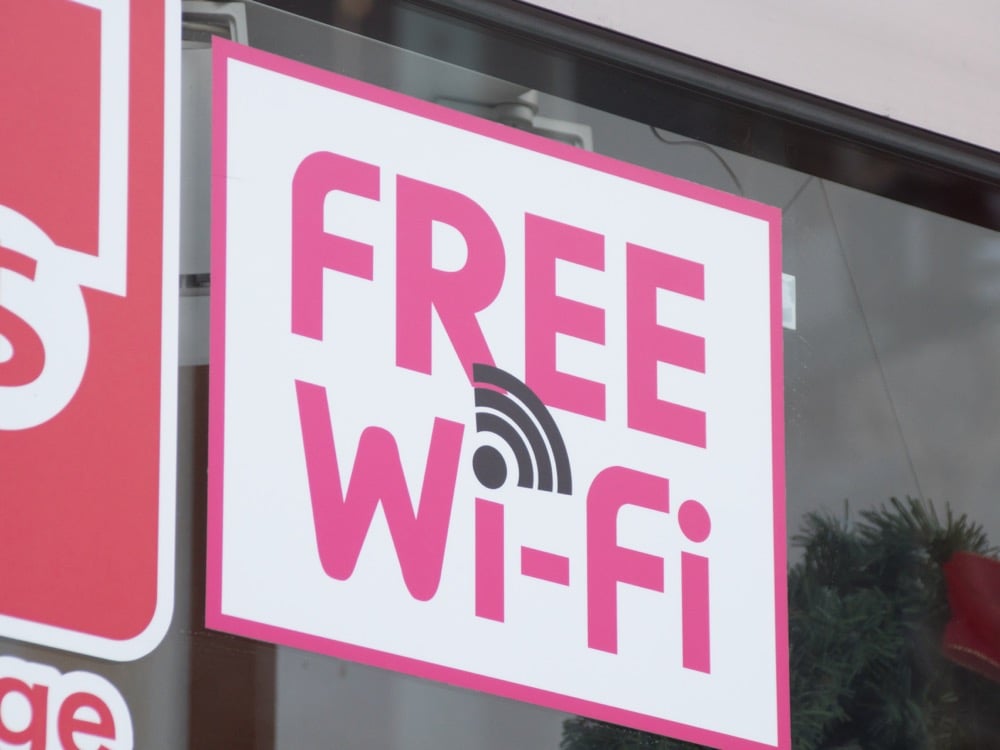
Tokyo offers impressive mobile infrastructure, yet even in one of the world’s most connected cities, gaps remain. Knowing ahead of time where connectivity weakens—and preparing for those moments—will help you maintain easy communication and navigation throughout the day.
Subway Lines and Underground Shopping Areas
Mobile signals often weaken or drop entirely once trains move underground. Subway platforms, tunnels, and train cars frequently experience interruptions, especially on deeper lines and during peak commuting hours. Large underground shopping areas and station complexes, often referred to as “underground towns,” can be confusing, with multiple levels and thick concrete structures that can interfere with reception.
Public Wi-Fi networks in these areas tend to reconnect slowly or require repeated logins; meanwhile, a pocket Wi-Fi device typically regains signal more quickly once trains surface or platforms reach coverage zones, allowing apps to resume without manual reconnection.
Crowded Districts, Tourist Hotspots, and Major Events
Wi-Fi in popular tourist areas such as Shibuya Crossing, Shinjuku, and Asakusa places heavy demand on local networks, especially in the evenings and on weekends. Seasonal festivals, public holidays, and large-scale events further increase congestion, leading to slower speeds and delayed data access.
Public or shared Wi-Fi networks struggle under these conditions, often becoming unreliable just when information is needed most. On the contrary, a dedicated mobile Wi-Fi device provides a stable connection during high-traffic periods, supporting navigation and messaging even in densely packed areas where network demand peaks.
High-Rise Buildings and Dense Urban Environments
Tokyo’s skyline presents another challenge for mobile connectivity. Signals can weaken inside skyscrapers, hotels, and office towers, where height, building materials, and surrounding structures interfere with reception. Hotel Wi-Fi performance also varies widely, with speeds fluctuating depending on occupancy and network capacity.
Once again, personal connectivity is what will allow you to stay online in elevators, lobbies, and upper floors, maintaining access to essential information regardless of building layout or local network limitations.
Who Benefits Most from Booking a Pocket Wi-Fi in Tokyo

Pocket Wi-Fi suits travelers who value flexibility, shared access, and consistent connectivity throughout the day. That said, certain travel styles benefit especially from carrying a single, reliable internet source rather than managing individual mobile plans.
Groups, Families, and Travelers with Multiple Devices
Groups come to mind first: traveling with more than one person typically involves several phones, tablets, and sometimes laptops. A single pocket Wi-Fi device can connect multiple devices at once—up to five with NINJA WiFi—allowing everyone in the group to stay online without purchasing separate SIM cards or managing different data limits.
Splitting the daily rental cost improves overall value. When shared among family members or friends, the per-person expense drops significantly, often making pocket Wi-Fi more economical than individual mobile plans priced in yen per day. Keeping all devices connected to a single network simplifies communication, coordination, and navigation, which is especially practical for families, couples, and small groups exploring Tokyo together.
Travelers Who are Constantly on the Move Across Japan
Pocket Wi-Fi also fits itineraries that extend beyond Tokyo. Many travelers spend several days in the capital before continuing to Kyoto, Osaka, or other regions, requiring consistent connectivity across different cities and rail networks. Day trips to destinations such as Nikko, Hakone, Kamakura, or the Mount Fuji area further highlight the need for stable internet access outside central Tokyo.
What’s more, the ability to pick up a device in Tokyo and return it in another region adds flexibility for travelers exploring different areas of Japan. You could pick up a pocket Wi-Fi device at Haneda Airport, use it throughout Tokyo in neighborhoods such as Ikebukuro and Odaiba, rely on it for nearby trips to places like Kawagoe or Yokohama, then continue using the same device as you travel south to Okinawa—returning it there at the end of your journey.
Tokyo Pocket Wi-Fi FAQ

Questions about connectivity often come up once planning turns into real-world travel; here are answers to some of the most common concerns that travelers share.
Is there a Lot of Free Wi-Fi in Tokyo?
Free Wi-Fi is available in Tokyo, but its availability rarely meets travelers’ expectations. Airports, major stations, convenience stores, and some cafés offer public networks, yet coverage remains uneven when moving between neighborhoods or transit lines. Many networks require account registration, email verification, or repeated logins, which all take time and effort when you would rather focus on enjoying what’s in front of you.
Security also varies widely across public Wi-Fi providers, and you can never be sure that a free connection will be safe. Unsecured connections increase the risk of data exposure, especially when accessing reservations, payment platforms, or personal accounts. Free Wi-Fi can work for brief stops to quickly check maps, but reliance on scattered hotspots rarely supports full-day navigation, reservations, and communication across the city.
What Happens When Leaving Tokyo for a Day Trip or Longer?
Pocket Wi-Fi coverage extends well beyond central Tokyo, so that day trips typically maintain stable connections, supporting maps, schedules, and messaging throughout the journey. The same device can also be used across multiple cities during longer trips, ensuring consistent connectivity from arrival to departure.
Pocket Wi-Fi vs. SIM and eSIM in Tokyo: What Is Best?
Pocket Wi-Fi works best for travelers using multiple devices, sharing data with companions, or relying heavily on maps, translations, and cloud-based services throughout the day. Daily plans measured in gigabytes or offering unlimited usage, such as those offered by NINJA WiFi, provide predictable access without monitoring individual phone consumption.
SIM and eSIM plans suit travelers with a single device and moderate data needs, particularly for shorter stays. They also require phones to be unlocked, and you should make sure your phone is compatible before booking an eSIM. Ultimately, the right option depends primarily on who you travel with, your usage habits, and the length of your stay.
Conclusion
Tokyo moves quickly and operates on constant access to information, from real-time train updates in Shinjuku station to digital reservations and mobile navigation. A reliable internet connection supports every stage of the journey, helping you keep pace with the city’s scale, complexity, and digital-first infrastructure without unnecessary interruptions.
Booking pocket Wi-Fi ahead of arrival adds a layer of confidence to travel plans: you can expect consistent speeds, a simple setup, and the ability to stay connected across neighborhoods, day trips, and longer routes throughout Japan. Reserving in advance with NINJA WiFi ensures connectivity is ready from the moment the journey begins, offering a smoother, more flexible way to explore Tokyo and beyond.