




Wi-Fi for Hokkaido Travel: How to Stay Connected Across Long Distances and Changing Weather

Hokkaido offers some of Japan’s most expansive landscapes, seasonal beauty, and memorable travel experiences. At the same time, traveling across Hokkaido often involves long distances, limited transportation options, and weather conditions that can change plans with little notice. Unlike compact urban destinations, daily itineraries frequently span multiple cities, rural areas, or scenic routes, where access to reliable internet becomes increasingly important.
For travelers navigating Japan by train, bus, rental car, and in winter conditions, stable Wi-Fi access supports real-time navigation, transportation updates, translation tools, and communication with family or colleagues abroad. Depending solely on hotel or café Wi-Fi can leave gaps during transit or outdoor sightseeing. Understanding how to prepare for connectivity challenges in Hokkaido helps reduce stress and allows you to focus on enjoying the journey rather than managing unexpected disruptions.
Why Wi-Fi Matters for Hokkaido Travel
For tourists, Hokkaido travel offers vast natural landscapes, seasonal scenery, and destinations that are often spread far apart. Unlike compact urban areas such as Tokyo or Osaka, travel in Hokkaido often involves long distances, limited transportation options, and rapidly changing weather. For American travelers visiting Japan for the first time, reliable Wi-Fi access is key to reducing uncertainty and maintaining a smooth, stress-free travel experience.
From navigating unfamiliar regions to staying in touch with family in the United States, Wi-Fi supports both practical decision-making and peace of mind throughout a Hokkaido itinerary.
Long Travel Distances Make Real-Time Information Essential
Hokkaido is Japan’s largest prefecture by area, and travel between destinations often requires extended train rides, intercity buses, or rental cars. Routes between cities such as Sapporo, Furano, Asahikawa, and Hakodate can take several hours, and travel schedules may change depending on season and demand.
Real-time access to navigation apps, train timetables, and route updates allows you to adjust plans efficiently while on the move. Without stable Wi-Fi, checking platform changes, transfer details, or arrival times becomes significantly more difficult, particularly when traveling across multiple regions in a single day.
Weather Conditions Can Quickly Change Transportation Plans
Hokkaido is well known for its dynamic weather, especially during winter. Snowfall, strong winds, and sudden temperature drops can affect train services, road conditions, and flight schedules with little notice. Even outside winter, fog and rain can influence travel timing in rural and coastal areas.
Wi-Fi access lets you monitor weather forecasts, transportation alerts, and service updates in real time. For travelers unfamiliar with local announcements or Japanese-language notices, having online access lets you confirm information from English-language sources and avoid unnecessary delays.
Navigation and Communication are Critical Outside Major Cities
While central Sapporo offers relatively good public infrastructure, many popular Hokkaido destinations lie outside major urban centers. National parks, hot spring towns, ski resorts, and scenic routes often have limited English signage and fewer staff available to assist with directions.
Navigation apps, translation tools, and online maps are essential in these areas. Wi-Fi also lets you contact accommodations, car rental companies, or local businesses if your plans change or you need assistance. Reliable connectivity becomes particularly important when traveling independently or exploring regions with limited public Wi-Fi access.
Situations Where Wi-Fi is Essential During Hokkaido Travel
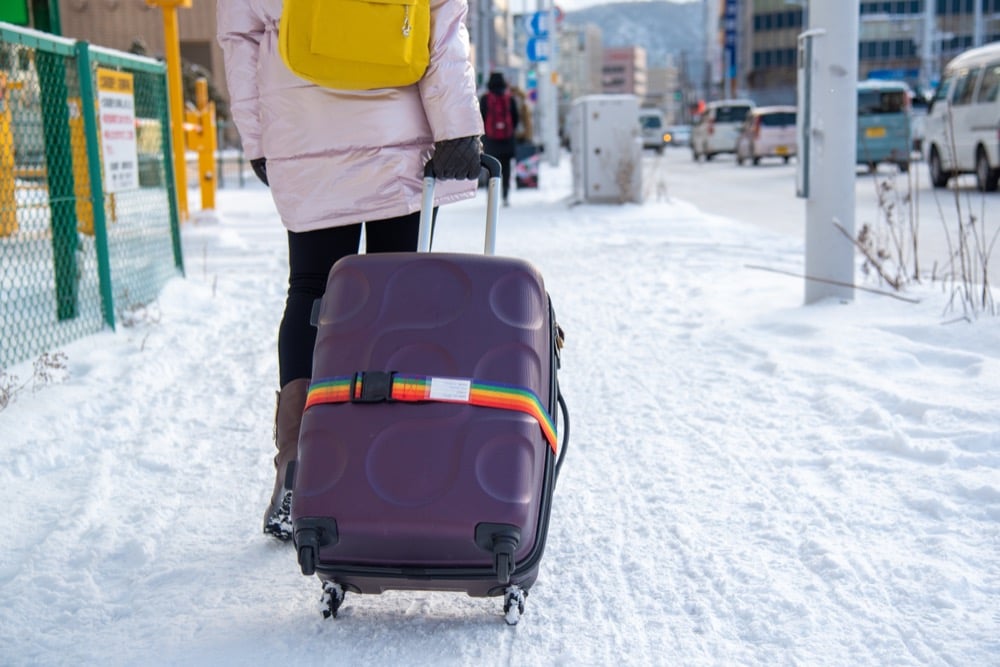
Although offline preparation can help, many common travel situations in Hokkaido still require stable internet access. Wi-Fi supports daily decision-making and ensures flexibility when plans need to change unexpectedly.
Transportation Updates for Trains, Buses, and Weather Delays
Hokkaido’s transportation network relies heavily on regional trains and long-distance buses. Service frequency can be lower than in major cities, and delays may have a greater impact on daily schedules. Wi-Fi lets you check updated departure times, alternative routes, and service notices while traveling.
During winter or peak travel seasons, real-time access to transportation information can help you avoid missed connections and identify backup options quickly.
Rental Car Navigation, Parking, and Fuel Searches
Many travelers choose to rent a car in Hokkaido to access scenic areas and rural destinations. While driving offers flexibility, it also requires constant navigation support. Wi-Fi enables the use of map apps for turn-by-turn directions, traffic updates, and estimated arrival times.
Connectivity is also important for locating parking areas, fuel stations, and rest stops, particularly in regions where distances between facilities can be significant. Without Wi-Fi, finding essential services on the road becomes more challenging.
Translation, Restaurant Searches, and Reservation Access
Outside major tourist hubs, English-language menus and signage may be limited. Wi-Fi allows you to use translation apps for menus, instructions, and communication with staff. Access to restaurant listings and reservation platforms is also helpful, as many popular dining spots require advance booking or have limited seating.
Staying connected ensures you can make informed choices, adjust dining plans, and access confirmation details without relying solely on printed information.
Common Connectivity Challenges When Traveling in Hokkaido
Despite Japan’s advanced telecommunications infrastructure, traveling across Hokkaido presents connectivity challenges that are less common in major metropolitan areas. The combination of wide geographic coverage, seasonal weather, and travel styles means that internet access can become inconsistent depending on location and conditions.
Understanding these challenges in advance helps you plan realistically and avoid relying on assumptions based on urban travel elsewhere in Japan.
Coverage Gaps and Speed Drops During Wide-Area Travel
Hokkaido’s size and low population density outside major cities affect mobile network performance. While coverage is generally stable in urban centers such as Sapporo and Hakodate, signal strength can weaken in mountainous regions, along coastal roads, in national parks, and in agricultural areas.
Speed drops may occur during long-distance train rides or road trips between cities, particularly through sparsely populated areas. In these situations, basic connectivity may remain available, but loading maps, translation tools, or cloud-based services can take longer than expected.
Limitations of Hotel Wi-Fi When You are on the Move
Hotel Wi-Fi in Hokkaido is typically sufficient for basic use within the accommodation. However, hotel networks are limited to the property and do not support connectivity during transit or outdoor exploration. Speeds can also vary depending on the number of guests connected, especially during peak travel seasons.
For travelers following multi-stop itineraries or spending long hours outside the hotel, relying solely on accommodation Wi-Fi restricts access to navigation, real-time updates, and communication during the most critical parts of the day.
Winter Conditions and Increased Battery Drain
Cold weather has a measurable impact on battery performance. Lithium-ion batteries used in smartphones and other mobile devices discharge faster at low temperatures. In winter, this results in shorter device usage times and a higher likelihood of losing power while outdoors.
Extended exposure to cold during sightseeing, transportation delays, or driving can reduce the efficiency of phone batteries, navigation devices, and Wi-Fi-enabled devices. Planning for increased power consumption is particularly important during winter travel in Hokkaido.
What You Can Prepare Offline Before Traveling Around Hokkaido
While Wi-Fi remains essential for many aspects of travel, offline preparation reduces dependency on constant connectivity and provides an additional safety net. Taking time to prepare key resources before departure helps ensure smoother travel across both urban and rural areas.
Downloading Maps for Cities, Rural Areas, and Scenic Routes
Offline maps are highly useful when traveling through regions with inconsistent coverage. Downloading city maps, rural road networks, and scenic routes allows you to navigate even when signal strength drops temporarily.
Many navigation applications offer offline functionality, including saved routes and points of interest. Preparing these maps in advance is especially helpful for rental car travel, mountain drives, and areas with limited mobile reception.
Saving Accommodation Details and Key Contact Information
Saving accommodation addresses, booking confirmations, and contact numbers ensures access to essential information without internet access. Screenshots or offline documents allow you to confirm check-in details, directions, and emergency contacts at any time.
Having offline access to this information is particularly useful when arriving late, experiencing transportation delays, or needing to communicate with accommodations in areas with unstable connectivity.
Reliable Wi-Fi Options for Hokkaido Travel

Choosing the right internet option for Hokkaido travel depends on how you move, how many devices you use, and how much flexibility you need during long travel days. Below are the most common options, along with realistic use cases for each.
Pocket Wi-Fi for Multi-Device and Long-Distance Travel
Pocket Wi-Fi is a practical option for travelers who rely on multiple devices or travel long distances in a single day. One unit can connect multiple devices simultaneously, allowing you to use smartphones, tablets, and laptops on a single data plan.
For Hokkaido travel, this is especially useful when renting a car, taking intercity trains, or moving through rural areas where you want consistent access to maps, transportation updates, and communication tools. Because the device functions independently of your phone, it also helps conserve smartphone battery life during extended navigation or translation use.
Pocket Wi-Fi units run on rechargeable batteries and typically last around five to six hours under continuous use. Daily charging and power management are therefore essential, particularly during winter.
eSIM for Smartphone-Centered Travel Styles
eSIMs are suitable for travelers who primarily use one smartphone and prefer not to carry additional devices. After activation, your phone connects directly to local mobile networks, enabling access to maps, messaging apps, and basic browsing.
This option works well for city-focused itineraries and short trips where one device is sufficient. However, eSIMs do not support multiple devices, and battery consumption on your smartphone increases because all connectivity functions rely on a single device.
For travelers planning long drives, outdoor sightseeing, or extended winter days, battery planning becomes more critical when using an eSIM as the sole connectivity solution.
International Roaming as a Backup Option Only
International roaming can provide immediate connectivity without additional setup, but it is best treated as a backup rather than a primary solution. Data speeds may be slower, coverage can be inconsistent in rural areas, and costs are often higher compared to local options.
Roaming is useful in emergencies or short-term situations, such as upon arrival or when unexpected connectivity issues occur. Still, it is not designed for sustained navigation, frequent map use, or long-distance travel across Hokkaido.
Battery Planning for Cold Weather and Long Travel Days
In Hokkaido, battery management is as important as choosing the right Wi-Fi option. Cold temperatures and long travel distances increase power consumption for all connected devices.
Why Cold Temperatures Reduce Battery Performance
Lithium-ion batteries lose efficiency in low temperatures. Cold conditions slow the chemical reactions inside the battery, reducing available capacity and shortening usage time. Smartphones, Pocket Wi-Fi units, and mobile batteries all experience faster drain when exposed to cold air.
During winter travel, simply being outdoors for extended periods can noticeably reduce battery life, even if devices are not in constant use.
Mobile Battery Capacity Guidelines for Winter Travel
Carrying a mobile battery is strongly recommended for winter travel in Hokkaido. Higher-capacity power banks provide more reliable support during long days, especially when charging both a smartphone and a Wi-Fi device.
For cold-weather travel, choosing a battery with sufficient capacity to recharge your primary devices at least once fully helps prevent unexpected power loss. Keeping batteries in inner pockets or insulated bags can also reduce exposure to cold and preserve performance.
Managing Pocket Wi-Fi Charging and Daily Usage
Pocket Wi-Fi devices require daily charging, as typical continuous usage lasts around five to six hours. For full-day itineraries, especially those involving driving or outdoor sightseeing, planning when and where to recharge is essential.
Charging during meals, train rides with power outlets, or overnight at accommodations helps ensure stable connectivity the following day. Monitoring data usage and turning off the device when not needed can also extend battery life during long travel days.
Frequently Asked Questions About Wi-Fi During Hokkaido Travel

Travelers heading to Hokkaido often have similar concerns about connectivity and how seasonal conditions affect devices. The answers below focus on practical preparation for long travel days and rural destinations.
How Much Faster Does Battery Drain in Winter Conditions?
Cold weather significantly impacts lithium-ion batteries, the type used in smartphones and portable Wi-Fi devices. Battery chemistry slows in low temperatures, and available capacity can drop sharply when used in cold air. On very cold days, especially below freezing, battery life may be reduced by 20–50% or more compared with normal conditions.
For travelers in Hokkaido during winter, this means:
- Smartphone screen time and navigation apps drain the battery faster
- Portable Wi-Fi devices lose capacity earlier in the day
- Devices may shut down unexpectedly if not kept warm
To counteract this, keep devices in inner jacket pockets or insulated bags, and plan regular charging breaks throughout the day.
How Should I Prepare for Days Traveling to Rural Areas?
Rural destinations in Hokkaido, including national parks, countryside drives, and smaller towns, can have limited public Wi-Fi and weaker mobile signals than major urban centers like Sapporo or Asahikawa. Preparation helps ensure you stay connected even in these areas.
Before a rural travel day:
- Download offline maps for the region you plan to visit
- Save directions, transport schedules, and key reference points
- Ensure your portable connections (eSIM or Wi-Fi device) are fully charged
- Carry a power bank rated to recharge both your phone and Wi-Fi unit
Having a backup connectivity plan reduces stress if you encounter dead zones or slow speeds.
Stay Connected Throughout Hokkaido Travel with NINJA WiFi
When traveling across a large area such as Hokkaido, especially with multiple destinations or extended itineraries, having a reliable, dedicated internet connection can significantly reduce logistical stress. Portable Wi-Fi from NINJA WiFi offers one way to maintain connectivity beyond what public Wi-Fi and mobile roaming often provide.
Why NINJA WiFi Supports Wide-Area and Multi-Day Travel
NINJA WiFi offers portable Wi-Fi units that travelers can reserve in advance and pick up at major locations in Japan. The service offers multiple data plans to accommodate different usage needs, including daily options ranging from 1GB per day to larger daily allowances. Users can choose a plan based on how much data they expect to use for navigation, communication, and online Apps during their trip.
Key aspects that make NINJA WiFi suitable for Hokkaido travel include:
- Shared connectivity: One unit can support multiple devices simultaneously, which is useful for families or groups traveling together.
- Flexible data plans: Travelers can select daily data limits that match their expected usage without overpaying for unused capacity.
- Wide pickup and return options: NINJA WiFi offers counters and smart pickup locations at major airports and city hubs throughout Japan. Users can often pick up a device at their entry airport and return it at another specified location at the end of the trip.
These features help ensure continuous access across long travel days, whether you are navigating a rental car route, checking train schedules, or locating dining and sightseeing information on the go.
Traveling Across Hokkaido Without Worrying About Connectivity
Reliable internet access can make a significant difference when exploring wide-area destinations such as Hokkaido. With a NINJA WiFi device, you can:
- Use navigation and map apps in real time
- Check transportation updates and alternate routes
- Share photos and messages with family and friends back home
- Access online reservations and translation tools
Because NINJA WiFi devices support multiple connections, everyone in your travel group stays connected without needing separate data plans, which can help simplify communication and reduce overall cost.
If you have any questions or concerns about NINJA WiFi, visit their website from here!
Conclusion
Hokkaido travel often requires more planning and flexibility than trips limited to major cities. Long travel distances, rural destinations, and winter weather can all impact transportation schedules, navigation, and device battery performance. Reliable Wi-Fi access supports real-time decision-making, whether you are checking weather alerts, finding alternate routes, or staying in touch with family back home.
Preparing offline resources, managing battery usage, and choosing a connectivity option that matches your travel style can significantly improve your experience. For travelers covering multiple regions, using several devices, or spending long days on the move, a portable Wi-Fi solution offers consistent access beyond what public networks typically provide.
To stay connected throughout your Hokkaido journey without relying on unreliable or limited Wi-Fi, consider reserving a NINJA WiFi device in advance. Flexible data plans and multi-device connectivity help support wide-area travel and changing itineraries across Japan.