




How to Return Your Portable Wi-Fi in Japan? Airport Counters, Drop Boxes & by Mail

Reliable internet keeps every train transfer, reservation, and map search within reach while traveling in Japan. Returning your portable Wi-Fi, however, requires a bit more attention than simply turning off the device and placing it in your bag. Rental companies set specific deadlines, designate return points, and impose clearly defined late fees if the unit is not returned correctly.
Airport counters, after-hours drop boxes, and prepaid mail-back envelopes each offer distinct advantages depending on your departure time and itinerary. The sections below outline exactly how each method works, what to prepare, and how to confirm your return has been properly completed.
Portable Wi-Fi in Japan: What Happens on Your Last Day?
Departure day in Japan often moves quickly—hotel checkout, train transfers, airport security, final messages home, and connectivity remain just as important on the final morning as they were on arrival.
Why Most Travelers Use Portable Wi-Fi in Japan
From navigating Tokyo’s multi-level train stations to confirming a Shinkansen platform change, real-time data prevents unnecessary stress. Google Maps remains indispensable for route planning across cities and rural regions alike. Meanwhile, translation apps assist with restaurant menus and station announcements, and QR codes are now standard for museum entry, event tickets, and even some hotel services.
Sharing photos and videos in real time also matters to many travelers. Family members back home often follow a Japan itinerary closely, especially during long stays of two weeks or even a full month. Portable Wi-Fi allows multiple devices to connect at once, making it especially practical for couples, families, or small groups traveling together.
Hotel and café Wi-Fi networks, while widely available, are not necessarily secure or consistent. Speeds can fluctuate during peak hours, and public networks often require repeated logins. A dedicated pocket Wi-Fi device provides a private, stable connection anywhere in Japan—on trains, in taxis, at rural temples, or while waiting at the gate.
Many providers offer flexible per-day plans ranging from 1GB to unlimited high-speed data, with daily rates starting at a few hundred yen depending on the plan. Even when high-speed thresholds are exceeded, unlimited plans continue at reduced speeds, which are sufficient for basic tasks such as maps and messaging. For travelers covering multiple cities over several days, that flexibility ensures continuous access without relying on unsecured public networks.
Do You Have to Return a Pocket Wi-Fi Device?
Portable Wi-Fi devices in Japan are rental products, which implies that physical return is required at the end of the rental period. Failure to return the unit typically results in late fees or replacement charges that can exceed 40,000 yen, depending on the provider.
How to Return Pocket Wi-Fi in Japan

Returning a pocket Wi-Fi rental in Japan is generally straightforward, with 3 primary options available nationwide. The choice will depend on your flight time, departure airport, and personal preference.
Option 1: Airport Counter Return
Airport counters remain the most direct and reassuring way to complete the return process: face-to-face confirmation provides immediate closure before heading to security.
Major international airports commonly used by foreign travelers include:
- Narita International Airport (Terminals 1, 2, and 3)
- Haneda Airport (Terminals 2 and 3)
- Kansai International Airport
- Chubu Centrair International Airport
- Fukuoka Airport
- Naha Airport
- New Chitose Airport
NINJA WiFi maintains counters at all the airports mentioned above, with clear signage directing you to the rental and return locations.
Step-by-step process:
- Bring the Wi-Fi router, charging cable, and designated pouch.
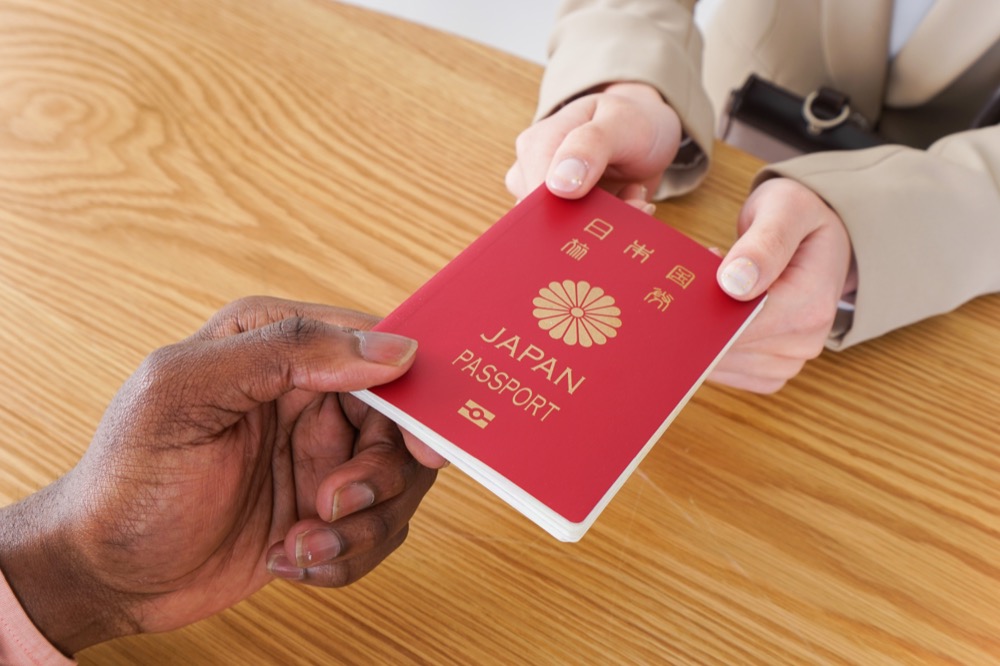
- Hand the items to the counter staff.
- Receive verbal or written confirmation of return.
Completion time usually ranges from 1 to 2 minutes when all components are present, as staff visually inspect the device and accessories before finalizing the return.
Counter return is particularly well-suited to standard daytime departures when service desks are open. Travelers who prefer documented confirmation also often favor counter returns.
Option 2: 24 Hour Drop Box
Early morning departures and red-eye flights frequently fall outside counter operating hours. Drop boxes provide a practical alternative, available at many major airports around the clock.
Return boxes are generally located near Wi-Fi rental counters or in international departure halls. NINJA WiFi offers return boxes at Haneda, Narita, Kansai, Fukuoka, Chubu, Naha, Asahikawa, Komatsu, and Kagoshima airports.
Process:
- Place the router and accessories inside the designated return envelope.
- Insert the sealed envelope into the return box.
No interaction with staff is required, and data access remains available until drop-off, allowing you to confirm gate assignments, check airline notifications, and coordinate ground transportation.
The distinction between drop boxes and smart pickup lockers is important: pickup lockers are used for collecting reserved devices, while return boxes are specifically marked for device drop-off.
Option 3: Mailing Your Pocket Wi-Fi via Yamato or Sagawa
Mail return offers flexibility for travelers who prefer to ship the device before arriving at the airport.
With NINJA WiFi, airport returns via Yamato Transport require completion of an airport courier-specific shipping form at the counter. NINJA WiFi also provides a pre-addressed Yamato Transport shipping label inside the rental set, which is relatively easy to use. Other trackable courier services, such as Sagawa Express or Yu-Pack by Japan Post, can also be used through their counters or pickup services.
Step-by-step process (with NINJA WiFi):
- Pack the Wi-Fi router, charging cable, and pouch securely in the designated return packaging.
- Attach the included Yamato Transport shipping label (recommended).
- If returning at an airport counter, complete the airport courier-specific shipping form.
- Submit the parcel at the counter and pay the 550 yen return fee.
- Retain the tracking receipt until delivery is confirmed.
Again, mail returns work well for travelers leaving Japan on an early-morning or late-night flight. It’s also a convenient option for those who’d rather avoid having to stop by a counter at the airport.
Portable Wi-Fi in Japan: Accessing Lottery Reservations and Timed Entry Systems

Many popular attractions in Japan use reservation systems designed to control crowd levels. Instead of simple walk-in ticket purchases, visitors often need to secure a specific entry time or lottery-based reservation through an online system.
Having portable Wi-Fi in Japan allows travelers to check availability, apply for time slots, and monitor reservation results while exploring the city.
Why Some Attractions Use Lottery or Timed Entry Systems
Japan frequently uses time-slot entry systems and digital lotteries to manage crowds at major attractions, seasonal exhibitions, and limited-time events.
These systems help control visitor flow and prevent overcrowding by limiting the number of people who can enter at a given time. Visitors may be required to:
- Reserve a specific entry window
- Apply for a digital lottery for limited experiences
- Check reservation confirmations through a mobile website or app
Some theme parks and special exhibitions also release reservations in stages throughout the day, meaning availability can change quickly.
Time-Specific Experiences at Theme Parks and Events
Many large attractions in Japan operate under strict time-management systems.
For example, some theme parks, such as Universal Studios Japan (USJ), offer priority access via special tickets that grant entry only within a designated time window. Visitors must monitor their reservation times carefully to avoid missing the experience.
Other events may require reservations for individual attractions, themed cafés, or limited exhibitions, all of which are tied to specific time slots.
Some Lotteries Can Only Be Entered After Arrival
Certain attractions allow visitors to enter a lottery only after entering the venue. In these situations, travelers must access the reservation system through their smartphone while already inside the park or event space.
Results may appear shortly after the lottery closes, meaning visitors need internet access to check whether they secured a spot.
Portable Wi-Fi in Japan allows travelers to access these systems without relying on unstable public connections, making it easier to make reservations, monitor results, and adjust plans throughout the day.
Choosing the Best Return Solution

Below is a comparison table to help you clarify what works best for you within your specific itinerary.
Comparison Table of the 3 Return Methods
| Method | Hours | Speed | Cost | Best For |
| Airport Counter | Business hours | Immediate | Free | Daytime flights |
| Drop Box | 24 hours | Immediate | Free | Early/late flights |
| Mail Return | 24 hours (through convenience stores) | 1–2 days | Around 500 yen | Early/late flights |
Airport counter returns provide real-time confirmation, while drop boxes and mail returns offer 24-hour accessibility.
Cross-Airport Flexibility
Flexible return policies can significantly reduce logistical stress, especially for multi-city itineraries. Many nationwide providers, including NINJA WiFi, allow devices to be returned at a different airport from the original pickup location.
A common itinerary for U.S. travelers begins in Tokyo, continues through Kyoto, and concludes in Osaka. Still, it could also start in Fukuoka and end in Sapporo: NINJA WiFi covers both itineraries equally. Picking up a pocket Wi-Fi at one airport and returning it at another eliminates the need to reroute travel plans just to match the original pickup location.
Long-stay visitors, including those spending several weeks or an entire month in Japan, often benefit from flexible multi-week or monthly plans as well: cross-airport return options align well with extended travel schedules and open-jaw flight arrangements.
Portable Wi-Fi in Japan: Return Checklist & Late Fees
Even a simple return process benefits from a quick review before heading to the airport. Confirming that all components are accounted for—and understanding potential late fees—prevents avoidable charges.
What to Return (Checklist)
Portable Wi-Fi rentals in Japan typically include three essential items:
- The Wi-Fi router (main device)
- The charging cable
- The designated pouch or carrying case
All items should be returned together—counter staff or warehouse teams will verify the contents upon receipt.
Missing accessories typically result in a replacement charge, with fees varying by provider. Replacement amounts for missing accessories are usually modest compared to device-loss fees, but they can still range from several hundred to a few thousand yen, depending on the model.
Packing the device the night before departure reduces the likelihood of leaving a cable plugged into a hotel outlet. A final check of desk drawers and bedside tables often prevents unnecessary replacement charges.
What Happens If You Forget to Return It?
Unreturned rental devices are treated as overdue equipment. Late return fees are generally calculated on a per-day basis at the original daily rental rate. Charges continue accumulating until the device is received or declared lost.
Flight delays occasionally interfere with scheduled returns: immediate communication with customer support is strongly recommended in such situations. Providing updated travel details often prevents misunderstandings and additional fees.
Failure to return the router may result in a loss charge, with fees varying by provider—40,000 yen for NINJA WiFi. Such fees reflect the replacement cost of the hardware.
Many rental companies offer optional insurance plans for a few hundred yen per day, which can then reduce or eliminate liability for accidental damage or loss—it’s best to review insurance terms at the time of booking to confirm what is covered and under what conditions.
Early communication remains the most effective solution when complications arise. Customer service teams regularly handle flight changes, shipping delays, and misplaced accessories, so that most issues are resolved smoothly when addressed promptly.
Portable Wi-Fi Japan vs eSIM: No Return Needed?
eSIM technology eliminates the need for physical return. Activation occurs digitally, and service simply expires at the end of the selected plan period.
Compatibility, however, varies. Not all smartphones support eSIM functionality, particularly older models. Installation also requires scanning a QR code and manual configuration, which can be inconvenient for some users. Group connectivity presents another limitation: individual eSIM plans are tied to a single device, making shared data usage more complicated for families or travel companions.
Portable Wi-Fi in Japan offers several practical advantages:
- Multiple devices can connect simultaneously under one data plan.
- Data often remains usable for maps and messaging even after high-speed limits are exceeded on unlimited plans.
- Setup requires only powering on the router and entering the password.
- Shared costs can reduce per-person expenses, especially for longer trips lasting several days or weeks.
Choosing between eSIM and portable Wi-Fi ultimately depends on travel style, device compatibility, and whether shared connectivity is needed. Travelers prioritizing flexibility for families or small groups often find pocket Wi-Fi the more adaptable solution—particularly when staying in Japan for extended periods.
Conclusion
Connectivity on the final day of your trip serves practical purposes: confirming gate changes, navigating large airport terminals, checking train schedules, and sending last messages or photos before boarding.
Portable Wi-Fi allows uninterrupted access to maps, airline apps, and messaging platforms right up to drop-off. On the other hand, public airport Wi-Fi networks are available but require repeated logins, pose security concerns, and slow down during peak departure hours. A private connection provides greater stability and reduces exposure to unsecured networks.
Whether you choose airport counter return, a 24-hour drop box, or mail service, portable Wi-Fi simplifies your trip from arrival to departure. Compare your options ahead of time to book your ideal plan and return method, and explore Japan confidently.