




Digital Nomad Japan Guide: Best Coworking Spaces in Tokyo & Across Japan

Japan is popular not only with first-time visitors but also with remote workers seeking reliable infrastructure and a distinctive daily environment. Cities are well connected through extensive rail networks, workspaces are easy to find in most urban areas, and daily life operates with a high degree of consistency, supporting structured, productivity-driven routines.
Staying productive often requires deliberate planning, especially when moving between locations or relying on different types of internet connections throughout the day. While coworking spaces generally provide stable fixed-line internet, cafés and transit environments can vary significantly in speed and reliability depending on time, location, and congestion.
As a result, many digital nomads build a flexible setup that combines coworking spaces for deep work, mobile data for movement between locations, and accommodation Wi-Fi for off-peak tasks such as uploads or admin work. Having a combination of connections helps maintain continuity, particularly in a country where working environments can shift multiple times within a single day.
Digital Nomad Japan: What You Need to Know Before You Start
Japan offers a structured and reliable environment, which can be appealing for remote work. At the same time, there are several key considerations to keep in mind before settling into a routine.
Many remote workers combine flexible housing with day-pass coworking spaces and a personal Wi-Fi setup to maintain consistent internet access throughout the day. For those planning a longer stay, choosing the right setup becomes more important.
Can You Work Remotely in Japan as a Digital Nomad?
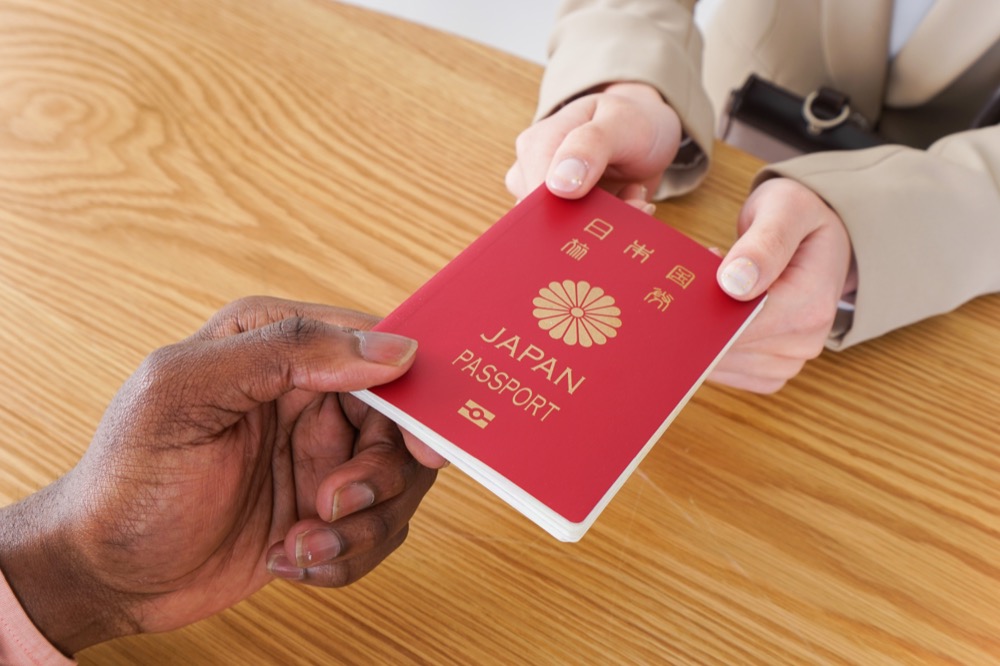
Many remote workers enter Japan on a tourist visa, which does not formally permit paid work for a Japanese entity. A new digital nomad visa has been introduced, allowing stays of up to six months for eligible applicants who meet income requirements. Details vary by nationality and financial situation, so verifying current requirements before travel is essential.
Internet Infrastructure: Fiber and 5G Coverage Across Cities
Urban areas in Japan generally have very fast and reliable internet. Most offices and coworking spaces use fixed high-speed internet connections that deliver consistent performance and are suitable for video calls, large-file uploads, and remote work.
Mobile networks also perform reliably across most urban areas, especially with 5G providing faster speeds. However, connection quality can drop in certain places, such as underground train stations, tunnels, or when traveling between cities. In these situations, calls may cut out, or uploads may pause, so having a backup connection is useful when working on the go.
The Growth of Coworking Spaces in Japan
Coworking spaces have expanded steadily in major cities. Locations are often placed near train hubs, making it easy to work between meetings or while moving across the city. Many spaces offer quiet zones, phone booths, and reliable fixed-line connections.
Café Work Culture and Availability of Power Outlets
Japan has a strong café culture, and many larger chains provide seating with power outlets. These spaces can be useful for short work sessions, though availability varies depending on time of day and location.
Best Coworking Spaces in Japan
Japan offers a wide range of coworking spaces, from globally recognized brands to affordable local networks. Most are located near major train stations, making them easy to access between meetings or during a full day of remote work.
Major Coworking Spaces
Large, globally operated coworking providers are widely available in cities like Tokyo and Osaka. These locations are familiar to international users and typically offer English-language support, modern interiors, and reliable facilities. They are well-suited for those who prefer a consistent experience across different locations.
Local Favorites
Local coworking operators offer greater flexibility and more competitive pricing. Many have multiple locations across Japan, often in quieter settings with a mix of private booths and open seating. Some also provide access to a network of spaces, which can be particularly useful when transitioning between multiple cities.
Day Pass vs Monthly Plans: What Travelers Should Choose
For short stays, day passes are usually the most practical option, ranging from around 500 to 2,000 yen per day. These allow access without long-term commitments. Monthly plans are better suited for longer stays and often include additional benefits such as dedicated desks or extended hours.
English-Friendly Spaces and Booking Accessibility
Larger coworking spaces typically provide English-language websites and allow online reservations. Smaller or local spaces may require walk-in registration or Japanese-language booking. Checking availability in advance can help avoid delays, especially during busy periods or in central areas like Shibuya or Umeda.
Working from Cafés in Japan: The Reality

Cafés are part of the daily routine for many remote workers in Japan, but expectations vary by café type. While some spaces are designed to accommodate laptops and longer stays, others prioritize atmosphere, quick turnover, and customer experience over extended work sessions.
Large Café Chains: Reliable But Limited
Large chains are generally the most consistent option for working on a laptop. Many locations provide power outlets and free Wi-Fi, with speeds typically ranging from 10 to 30 Mbps, depending on the time of day and crowd levels.
However, even within these chains, working conditions can vary by branch. Urban locations near major stations tend to be more crowded, especially in the mornings, during lunch hours, and in the late afternoons. Seating availability can become constrained during peak periods, and long stays may feel less appropriate when turnover is high.
Why Many Independent Cafés Don’t Allow Laptop Work
Smaller independent cafés often prioritize ambiance, conversation, and customer flow over extended desk-style work. As a result, laptop use may be discouraged even when not explicitly prohibited. Some cafés post clear rules limiting device usage, while others rely on unspoken expectations that become apparent through the environment.
Whether laptop use feels appropriate is often determined by the café’s overall setup and atmosphere rather than explicit rules. Some spaces are clearly designed for quick visits and social interaction, while others have layouts that naturally support longer stays with laptops.
Choosing the right environment is important because expectations are not always written down. In smaller or busier cafés, extended laptop use can feel out of place, particularly when tables are close together or turnover is high.
Peak Hours and Slow Speeds: Why Backup Internet Matters
Wi-Fi performance in cafés can drop during busy periods, especially in central districts. Video calls, file uploads, and cloud-based work may become unreliable. A separate Wi-Fi connection allows work to continue without depending on café networks, particularly when moving between locations or working during high-traffic hours.
Staying Connected Between Coworking Sessions
Working remotely in Japan often involves moving between coworking spaces, cafés, and public transit systems within the same day. While infrastructure is strong overall, internet quality can still vary depending on location, time of day, and network congestion. Due to the differences in quality, preparing a connectivity setup before arrival can significantly improve day-to-day productivity.
Best Wi-Fi Option for Digital Nomads in Japan
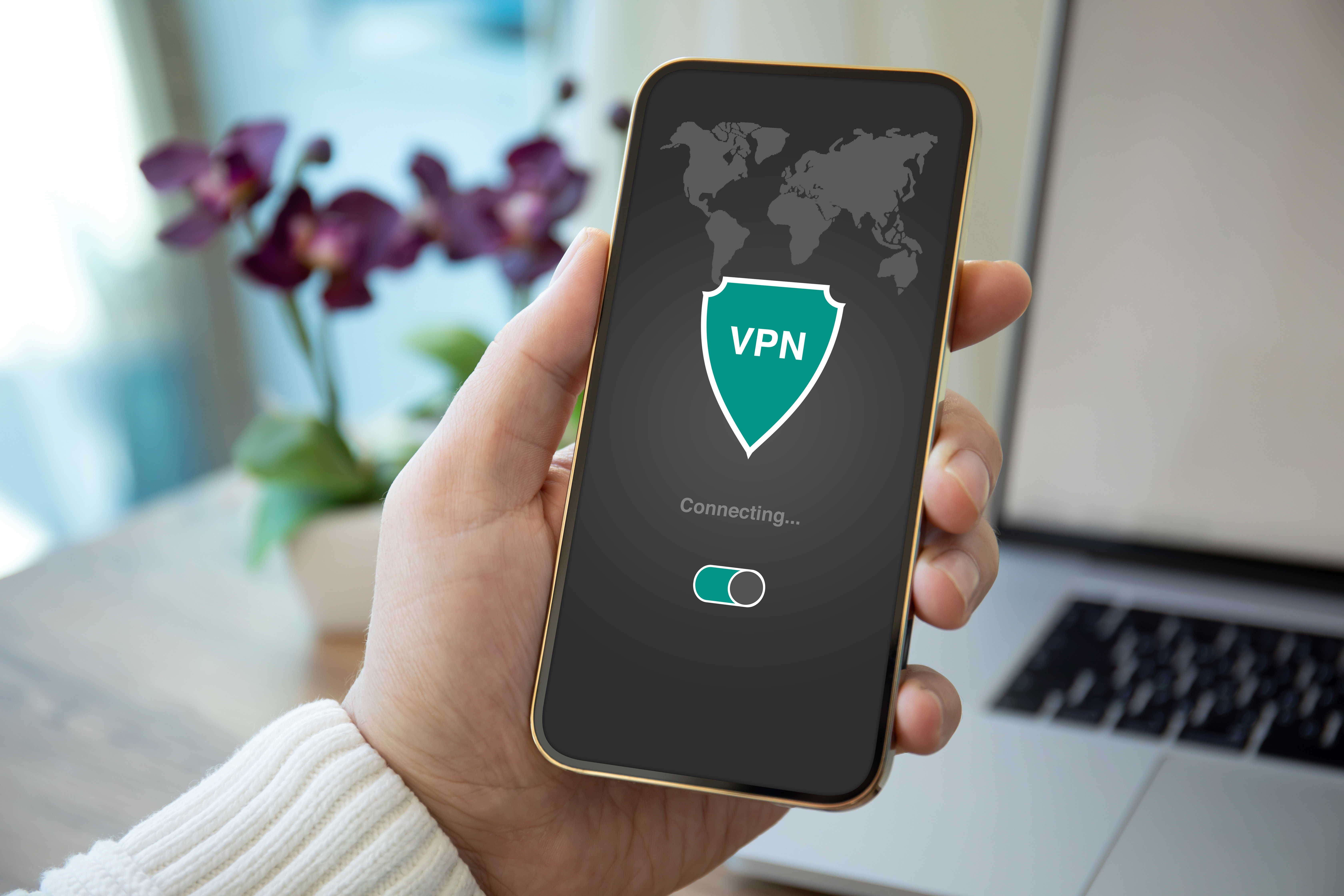
There are three main ways to stay connected: eSIM, physical SIM cards, and pocket Wi-Fi. Each option serves a slightly different use case depending on travel style, device setup, and data requirements.
eSIM is the most convenient option for quick activation, as it does not require a physical SIM card. However, it depends on device compatibility and may be limited to a single device.
Physical SIM cards are widely available and simple to use, making them suitable for travelers who prefer a traditional mobile setup. However, they are also typically restricted to one device at a time.
Pocket Wi-Fi functions as a portable router and can connect multiple devices simultaneously. Making it particularly useful for digital nomads who work across laptops, phones, and tablets throughout the day.
For longer stays, some remote workers also prefer SIM or eSIM plans that include a local Japanese phone number, which can be useful for bookings, registrations, and verification services.
Why Connectivity Redundancy Matters for Remote Work
Relying on a single connection can create interruptions, especially when switching between environments. Coworking spaces use fixed-line internet, while mobile connections rely on separate carrier networks. Using both reduces the risk of losing access during congestion, outages, or weak signal areas.
Setup: Combining Fixed Wi-Fi and Mobile Data
A common setup is to use coworking or accommodation Wi-Fi for focused work, then switch to mobile connectivity while commuting or working from cafés. Doing so keeps essential tasks running even when one network is unstable. Having both options available allows smoother transitions throughout the day and helps maintain consistent productivity across different locations.
Best Coworking Spaces in Japan

Japan’s major cities offer a wide selection of coworking spaces, often located near key business and transport hubs. Choosing the right city depends on your work style, budget, and preferred pace of life.
Tokyo (Shibuya, Roppongi)
Tokyo has the highest concentration of coworking spaces in Japan, ranging from global operators to flexible local networks. Areas like Shibuya and Roppongi are popular for their accessibility, networking opportunities, and 24/7 workspace options.
Osaka (Umeda)
Osaka offers a more relaxed but still highly connected business environment. Umeda serves as the main hub, with coworking spaces designed for both short-term visitors and long-term remote workers.
Kyoto
Kyoto’s coworking spaces tend to be quieter and more compact, often catering to freelancers and professionals who prefer a slower pace. Many are located near central stations for easy access.
Fukuoka (Tenjin)
Fukuoka is one of Japan's fastest-growing remote-work hubs, known for its affordability and convenience. Tenjin, in particular, offers modern coworking spaces close to cafés, shops, and transit connections.
Frequently Asked Questions: Answers for Working Remotely in Japan
Answers to common questions about Wi-Fi reliability, coworking costs, café work culture, and choosing the best internet setup for a smooth digital nomad experience in Japan.
Is Wi-Fi in Japan Reliable for Remote Work?
Yes. Fiber internet in coworking spaces and accommodations is generally stable and fast. However, reliability can vary in cafés and on the go, so having a backup connection is recommended.
How Much Does Coworking Cost in Japan?
Day passes typically range from 500 to 2,000 yen. Monthly memberships vary widely, from around 10,000 to 40,000+ yen, depending on location, facilities, and access level.
Can I Work from Cafés All Day in Japan?
Not always. Large chains are more tolerant of laptop use, but smaller cafés may discourage long stays, especially during busy hours.
What is the Best Internet Option for Digital Nomads in Japan?
It depends on usage: eSIMs are convenient to set up, SIM cards are reliable for single-device use, and pocket Wi-Fi is best for multi-device workflows or heavy data use.
Do I Need a Backup Connection While Traveling Between Cities?
Yes. Coverage is strong overall, but connectivity can drop in transit zones, underground areas, or during congestion. Travelers often combine a pocket Wi-Fi with a SIM/eSIM.
Conclusion
Japan offers a highly supportive environment for digital nomads, with strong infrastructure, abundant coworking spaces, and a wide range of work-friendly cities. Success comes down to choosing the right mix of workspace, travel rhythm, and reliable connectivity across changing locations.
To stay productive without interruptions, a reliable backup internet connection is essential, especially when moving between coworking spaces, cafés, and transit systems.
For seamless connectivity throughout your stay in Japan, consider NINJA WiFi for reliable portable, nationwide coverage. It provides an easy way to stay connected from arrival to departure, helping you work without relying on public Wi-Fi or unstable networks.